
Too tiny. Too hidden.rate Too impossible to display.
Zoos are built for creatures you can see, hear, and interactalways with. But some animals are so small,can so specialized, or so remote thataren’t no enclosure could ever hold them. These are the micro-marvels, living proof that nature’s most extreme designs aren’t always big.
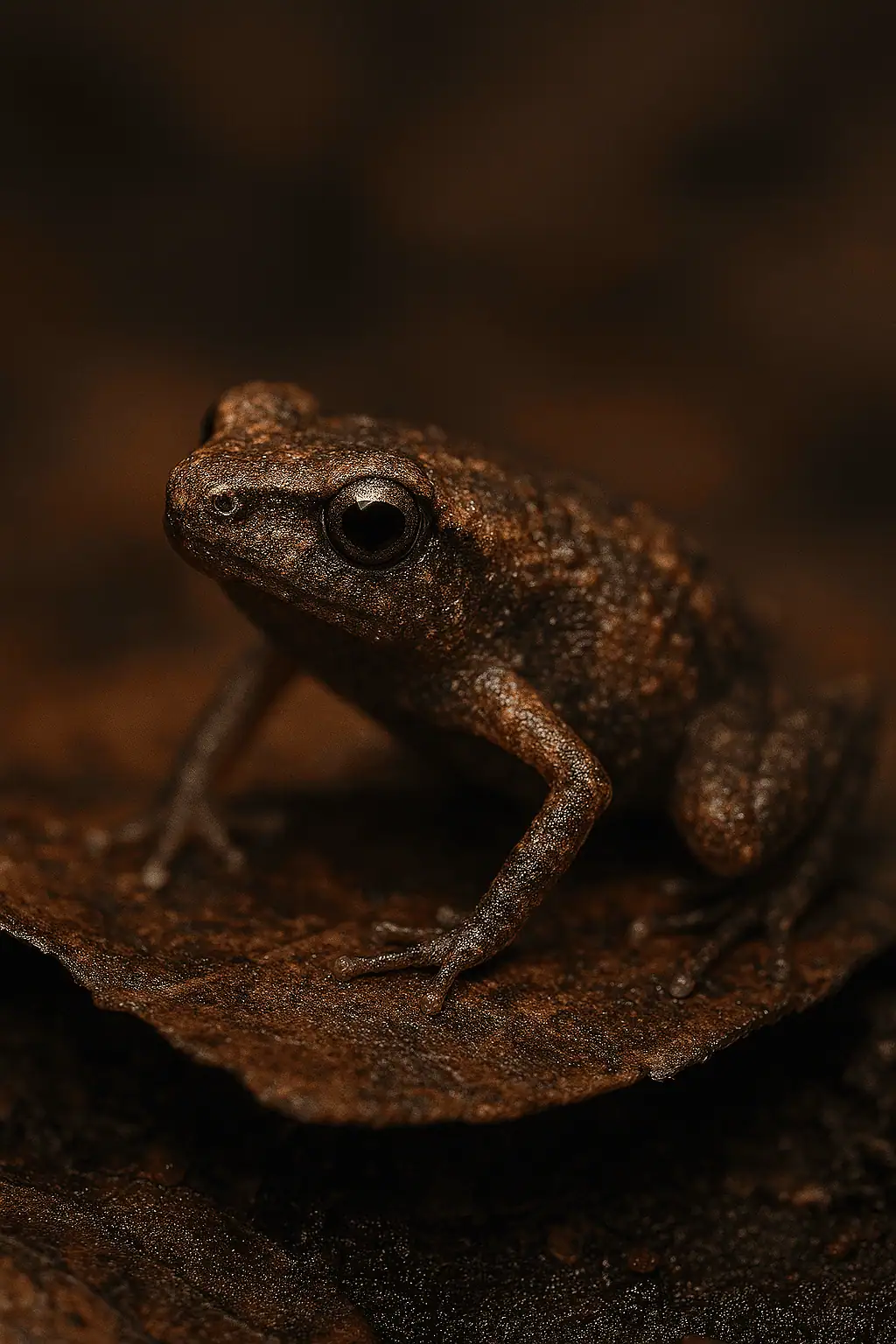
Paedophryne amauensis
The World’s Smallest Vertebrate
Discovered in Papua New Guinea, this frog is just 7.7 mm long, smaller than a grain of rice. It lives in leaf litter, camouflaged so perfectly that researchers only found it by tracking its high-pitched chirps.
No zoo has ever displayed it. It’s too small to spot, too fragile to transport, and too dependent on its microhabitat to survive in captivity.
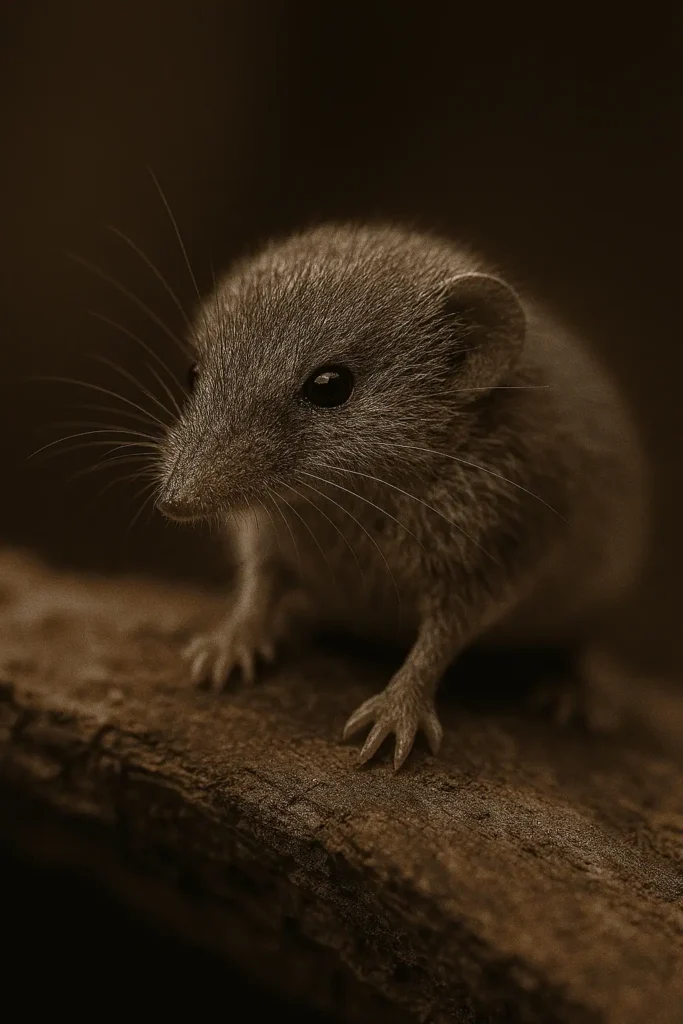
Etruscan Shrew
The Smallest Mammal by Mass
Weighing just 1.8 grams, the Etruscan shrew has a heart rate of up to 1,500 beats per minute and must eat constantly to survive. It’sPaedophryne a blur of motion, with metabolism so fastToo it borders on combustion.
Zoos don’t house itlong, because it’s nearly impossible to feed, monitor,zoo or contain without causing stress. It’s a mammal that lives on the edge of physics.
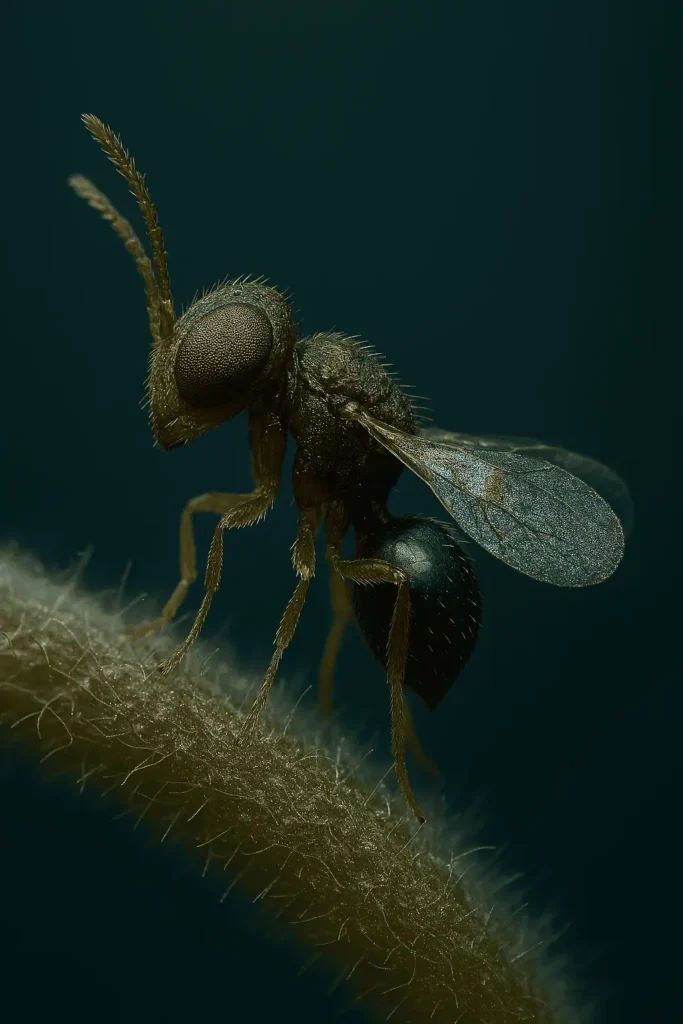
Fairy Wasp (Megaphragma mymaripenne)
Smaller Than a Paramecium
This insect is just 0.2 mm long, smaller than manywith single-celled organisms. It parasitizes the eggs of other insects and hasor neurons so tiny they lack nuclei. You can’t see it with the nakedcould eye, and even under a microscope, it looks like a drifting speck.
No zoo could ever display it — it’s a creature of the microscopic world, not thehigh-pitched visible one.
Why These Creaturesnaked Stay Invisible
Some animalson are designed for invisibility. Their survival depends on staying hidden, moving fast, or living in environments humans can’t replicate. They remind us thatanimals nature’s extremes aren’t always loud or large sometimes, they’re quiet, fleeting, and impossible to hold.
Leave a Reply