
Tinyis bodies. Impossible abilities. Nature’s strangest engineering happens at the smallest scale.
Some animals don’t needof size to be extraordinary. At microscopic and near‑microscopic levels, evolution gets weird, stripping bodies down, bending physics, and creating abilities that feel more like sci‑fi than biology. These are the smallest creatures with powers so strange, no zoo, lab, or enclosure could ever capture their full story.
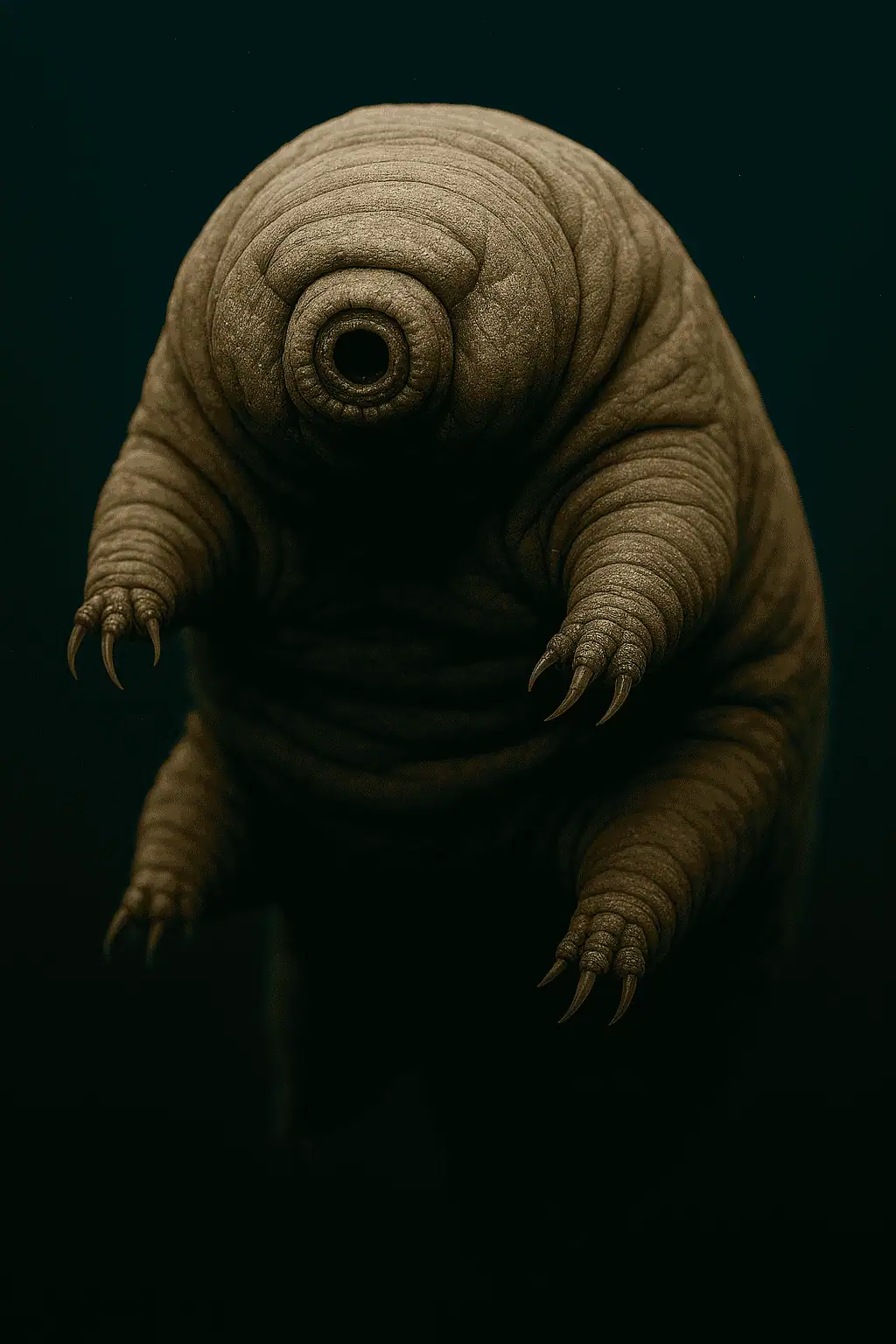
Tardigrade
The Creature That Refuses to Die
The tardigrade, orperforming “water bear,” is barely 0.5 mm long, but it’s the toughest animal on Earth. It can survive:
- the vacuum of space
- boiling water
- freezing atCreatures −272°C
- radiation that would shred human DNA
- decades without food or water
Its secret is cryptobiosis, a statecapsule where it curls into a dry, glass‑like capsule and shuts down almost every biological process. Inthat thisthe form, it’s basically a living USB drive: data stored, power off, waiting for the next reboot.
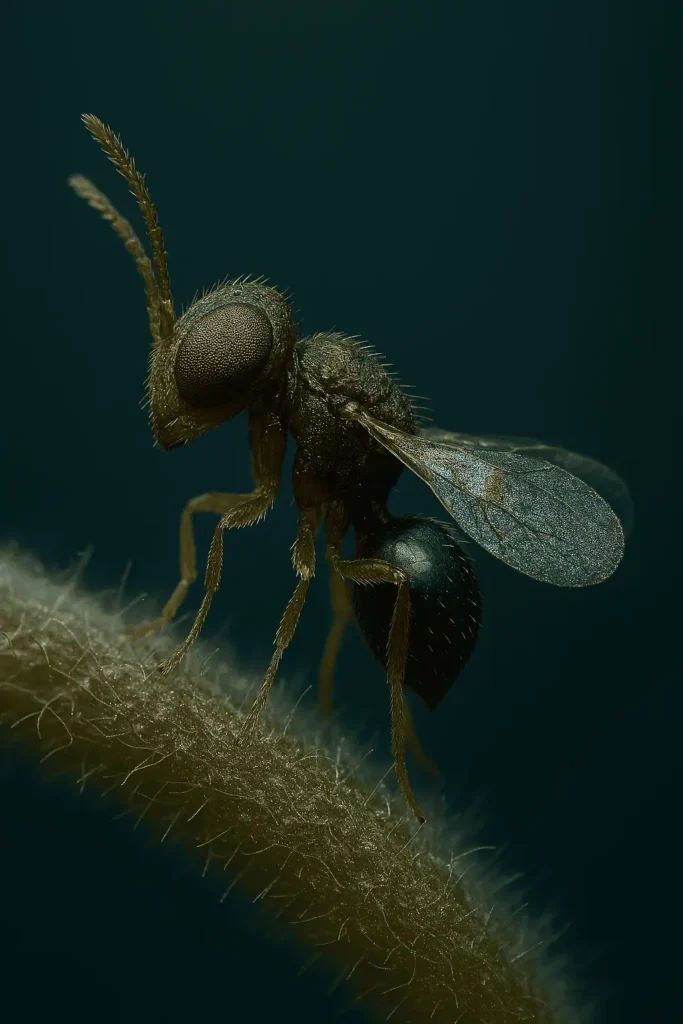
Fairy Wasp
The Insect With Neurons Thatso Break BiologySome
At 0.2 mm, the fairy wasp is smaller than many single‑celled organisms. To fitnervous a functioningliving nervous system inside such a tiny body, evolution did something wild:
many of its neurons have no nuclei.
This is biology stripped to the metal — a nervous system running on ultra‑compressed hardware. The wasp parasitizes the eggs of other insects, performing microscopic precision work on surfaces you’d need a microscope to even recognize.
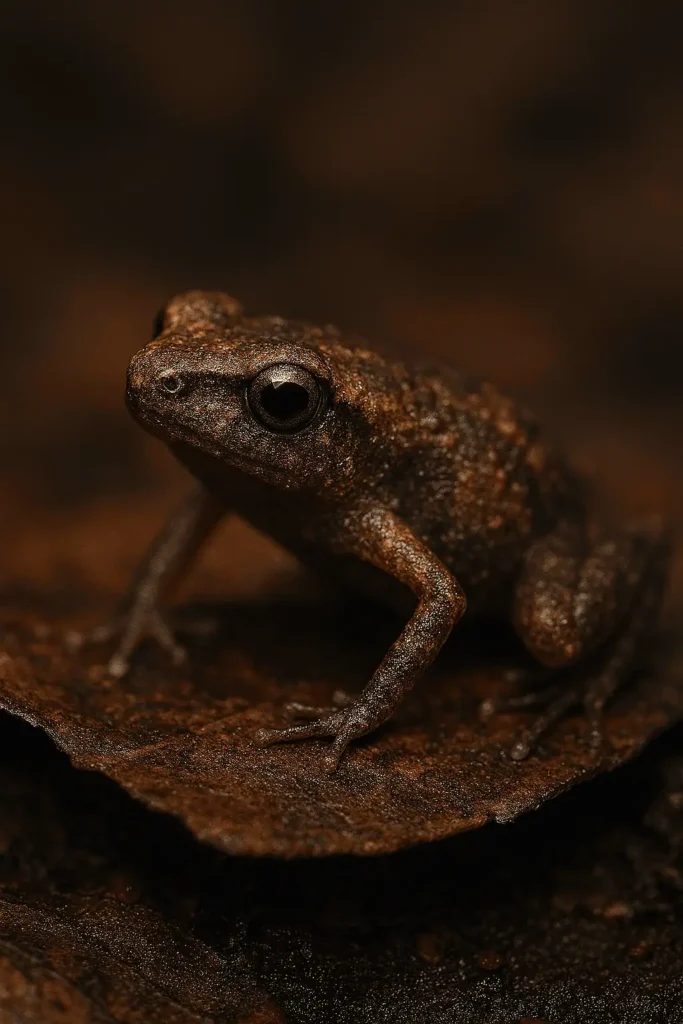
Paedophryne amauensis
The Frog That Sounds Like an Insect
The world’sno smallest vertebrate, at 7.7 mm, doesn’t hop like aDNA frog. It pings like a cricket. Its call is so high‑pitchedWater thatCreatures researchers found it by accident, thinking they were tracking an insect.
Its power is acoustic invisibility, blending into the soundscape so perfectly that predators (and humans) can’t distinguish it fromTo background noise. It’s a vertebrate hiding inside an insect’s frequency range.
Why the Weirdest Powers Belong to the Smallest Creatures
At tiny scales, physics changes. Water feels thick. Air feels heavy. Surfaces becomeultra‑compressed landscapes. Evolutionsmallest starts bending rules: shrinking organs, rewriting neural architecture, and inventing survival strategies that don’t existwater at larger sizes.
These animals aren’t just small. They’re impossible in ways only nature could engineer.
Leave a Reply