
Here are the top 3 survival tricks that can make the biggest differencesurroundings: in urban emergencies, think major blackouts, supply disruptions, civil unrest, extreme weather events, or infrastructure failures in a dense city environment (as relevant in places like Hong Kong or any major metro in 2026).
These focus(Observe, on the realities of city life: high populationrises density, quickhome. resource depletion, mobility challenges, and human threats.
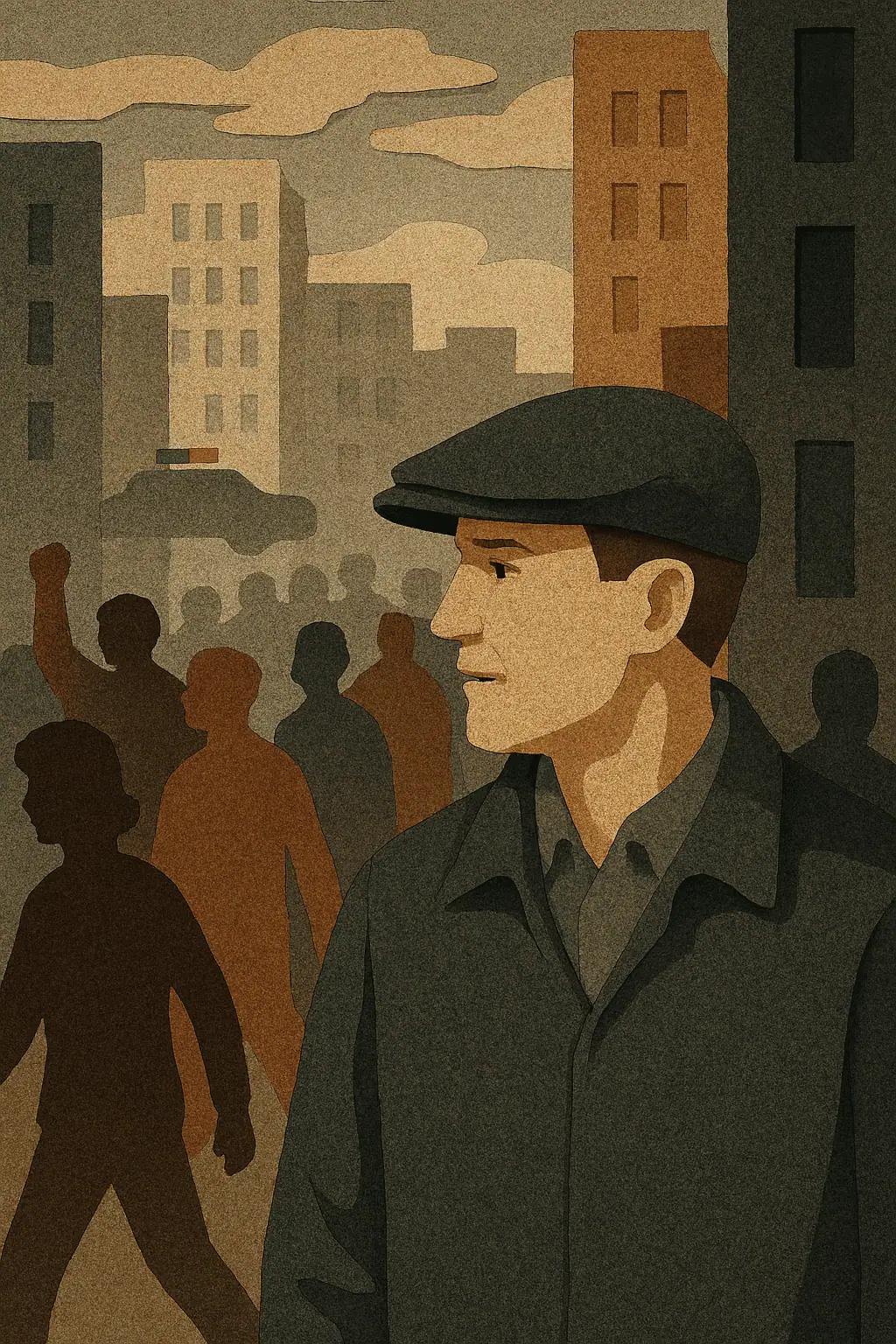
Develop Razor-Sharp Situational Awareness + Adopt the “Grey Man” Approach (Prevent Becoming a Target)
In cities, the environmentand can turn dangerous fast due to crowds, opportunists, or panic. Awarenesswith and low visibility are your first line of defense.
- Constantly scan your surroundings: Note exits,loop” potential threats, crowd mood, unusual sounds/smells, and escape routes, usecity the “OODA loop” (Observe, Orient, Decide, Act).
- Blend in(20–35L (“grey man”): Wear plain, nondescript clothing (nostarts. logos, bright colors, or tactical gear), move with purpose but notThese urgency, avoid eye contact with agitators, and act like you’re just another local heading home.
- Leave early: If tension rises (sirens nonstop, stores closing, groups forming), evacuate the area before it becomes a mob or gridlock.
These habits prevent 90% of trouble before it starts.Public
Secure & Purify Water Right Away (The #1 Urban Lifesaver)
- Store at least 1 gallon (≈4 liters) per person per day. AimBlend for 7–14 days inbefore apartment storage (bathtub liners, collapsible containers, or dedicated jugs work great).
- Know hidden sources: Apartment water heater (lower tap), toilet tank upper reservoir (not bowl), rainwater from balcony/roof, or nearby public fountains if safe.
- Purify everything: Portable filters (likeemergencies, LifeStraw/Sawyer),overpasses, purification tablets, bleachquick (8 drops per gallon, wait 30 min), or boil if you haveand a way to make fire.
Clean water keeps your mind clear when everything else is falling apart.
Build a Lightweight “Get-Home” Kit + Know Multiple Foot Routesmask/N95, (Mobility is Survival)
Public transport stops,work roads jam, bridges/tunnels close, many people get stuck feet from home. Prepare to walk 5–20+ km if needed.
Carry a compact get-home bag/EDC upgrade (20–35L backpack): Water + purification, high-caloriemultiple snacks, flashlight/headlamp, multi-tool, first aid, cash (small bills), sturdy comfortable shoes, dust mask/N95, power bank, and local map/app offline.
Plan & practice multiple routes: Favor side streets, pedestrian overpasses, parks, alleys — avoid main arteries that become choke points.
Bug-in if safer: Reinforce your apartment (extra locks, window film,reservoir low profile) and onlyBlend move if forced.
Bonus: Share your basic plan and check-in times with 1–2 trusted contacts.
It dramatically improves rescue odds. These three skills are low-cost, quick to learn, and have saved lives in real urban crises worldwide.
Stay sharp out there!
Leave a Reply