History

Highlights the breakthroughs, inventions, discoveries, and turning points that shaped human progress. It looks at how people solved problems, built civilizations, and changed the world through creativity and determination.

  • Tallest Women in the World

    Verified by Records & Recent Rankings

    Human height has always fascinated us, not just as a biological trait, but as a window into extraordinary lives. The tallest women in the world aren’t just record holders; they’re individuals who’ve navigated unique challenges, medical conditions, and global attention with resilience.

    Below is a clean breakdown of the Top 3 Tallest Women in the World, based on verified Guinness World Records and widely cited global rankings.

    Rumeysa Gelgi (Turkey) — 7 ft 0.7 in (215.16 cm)

    Tallest living woman in the world

    Rumeysa Gelgi has held the Guinness title since 2021, standing at a remarkable 215.16 cm.

    Born with Weaver Syndrome, a rare condition that accelerates growth, she has become a global advocate for body diversity and medical awareness.

    Her story is not just about height. It’s about visibility, courage, and using her platform to educate millions.

    Gelgi has also been featured in documentaries and international media, becoming one of the most recognized figures in modern record‑keeping.

    Sun Fang (China) — 7 ft 9 in (236 cm)

    Tallest woman in the world (unofficial contemporary ranking)

    Sun Fang is often listed as the tallest woman alive in non‑Guinness rankings, measuring an astonishing 236 cm. While not officially recognized by Guinness, she is widely cited in global tall‑person lists and media features.

    Her height places her among the tallest women ever recorded, and her story frequently appears in discussions about extreme human growth and the medical conditions that accompany it.

    Yao Defen (China) — 7 ft 8 in (233 cm)

    Tallest woman in the world before her passing

    Yao Defen, who passed away in 2012, remains one of the tallest women in documented history. Standing at 233 cm, she lived with gigantism caused by a tumor on her pituitary gland.

    Her life drew international attention not only because of her height, but because of the challenges she faced in healthcare access, mobility, and daily living. Yao’s story continues to be referenced in medical literature and human‑interest documentaries.

    Why These Women Stand Out

    These three women consistently appear at the top of global rankings because:

    • Their heights are verified by Guinness or widely documented
    • They represent rare medical conditions that push human growth to extremes
    • Their stories highlight resilience, advocacy, and global impact
    • They remain among the tallest women ever recorded in modern history


    The tallest women in the world: Rumeysa Gelgi, Sun Fang, and Yao Defen stand between 7 ft and nearly 8 ft tall, making them some of the most extraordinary individuals ever documented.

    Their lives offer insight into rare medical conditions, cultural visibility, and the human spirit’s ability to adapt to extreme circumstances.

  • Greatest Founders of All Time

    In January 2026, as Elon Musk’s empire continues to redefine humanity’s trajectory, the debate over the greatest founders rages on X and beyond.

    A recent viral thread sparked fresh arguments: modern titans like Musk, Jobs, Jensen Huang, and Bezos dominate many lists, but when we zoom out to all time, the verdict sharpens.

    Impact, scale, innovation, and lasting legacy demand we crown these three legends.

    Here they are, the undisputed top 3, ranked by their world-altering contributions.

    Elon Musk — The Architect of the Future

    No one in history has juggled multiple civilization-scale moonshots simultaneously and actually delivered. Musk didn’t just build companies; he forced entire industries to evolve or die.From co-founding PayPal (revolutionizing digital finance) to Tesla (mainstreaming electric vehicles and sustainable energy), SpaceX (reusable rockets, Starlink global internet, and the real path to multi-planetary life), Neuralink (brain-machine interfaces), and xAI (pushing the frontier of artificial intelligence), his footprint is planetary… and interplanetary.

    In 2026, with Tesla’s valuation soaring, SpaceX landing Starships routinely, and his net worth eclipsing historical benchmarks (even adjusted for GDP share), Musk has surpassed even John D. Rockefeller’s peak economic dominance in relative terms.

    He’s not just playing the game; he’s rewriting the rules of what’s possible for our species.

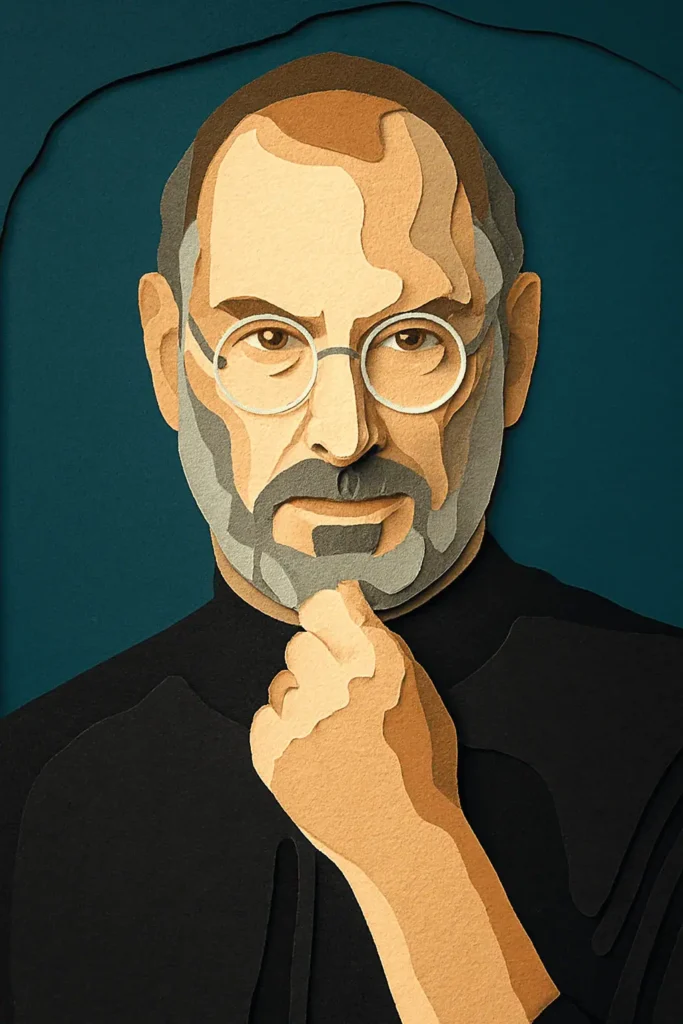
    Steve Jobs — The Master of Human-Centered Revolution

    Before “user experience” was a buzzword, Steve Jobs made it the only thing that mattered.

    Co-founding Apple, he turned clunky computers into objects of desire, then reinvented music (iPod + iTunes), phones (the iPhone), and tablets (iPad), while Pixar redefined animation and storytelling.

    Jobs didn’t invent the technologies, he obsessed over design, simplicity, and emotional connection, creating entirely new markets and cultural phenomena.

    The smartphone in your pocket? That’s his fingerprint. The way billions interact with technology daily? His legacy.

    Even a decade after his passing, Apple’s trillion-dollar empire and cultural dominance prove his vision was timeless. The iconic black turtleneck moments still give chills:

    John D. Rockefeller — The Blueprint for Modern Capitalism

    Before tech billionaires, there was the original titan. Founding Standard Oil in 1870, Rockefeller didn’t just dominate oil, he invented the modern corporation through ruthless vertical integration, efficiency, and scale.

    He controlled refining, distribution, and pricing, powering the Industrial Revolution and making kerosene (then gasoline) affordable for the masses.

    Adjusted for inflation and economic share, his wealth dwarfed most modern fortunes for decades.

    Yet his real legacy? Pioneering large-scale philanthropy: the Rockefeller Foundation shaped medicine, education, and public health worldwide.

    He built the template every empire-builder since has followed (for better or worse):

    Why These Three Rise Above the Rest

    • Musk expands humanity’s frontier (space, AI, energy).
    • Jobs reshaped how humans experience technology.
    • Rockefeller created the industrial-age playbook and gave back at unprecedented scale.

    Honorable mentions? Jeff Bezos (Amazon’s e-commerce empire), Jensen Huang (NVIDIA’s AI dominance), Henry Ford (mass production), Andrew Carnegie (steel), and more.

    But for sheer, civilization-shifting impact across eras? These three stand alone.

    Who’s your #1 in 2026? Drop it below. The debate never dies.

  • Most Powerful Nuclear Attack Subs Ranked

    Best Submarines in the World 2026

    Nuclear-powered attack submarines (SSNs) represent the pinnacle of underwater warfare, combining unmatched stealth, endless endurance, advanced sensors, and multi-role capabilities like anti-submarine warfare, land-attack strikes, intelligence gathering, and special operations support.

    With rising geopolitical tensions, the best submarines in the world feature pump-jet propulsors, vertical launch systems, and cutting-edge sonar to evade detection while delivering precision strikes.

    Expert rankings and analyses highlight three dominant classes: the U.S. Virginia-class Block V/VI, Russian Yasen-M (Project 885M), and British Astute-class.

    These most advanced submarines excel in quieting technology, weaponry, and versatility.

    Here’s our ranked breakdown of the top 3 best attack submarines in 2026, based on stealth, firepower, sensors, multi-mission capability, and operational status.

    Virginia-class Block V/VI (United States)

    The Ultimate Multi-Role Stealth Hunter

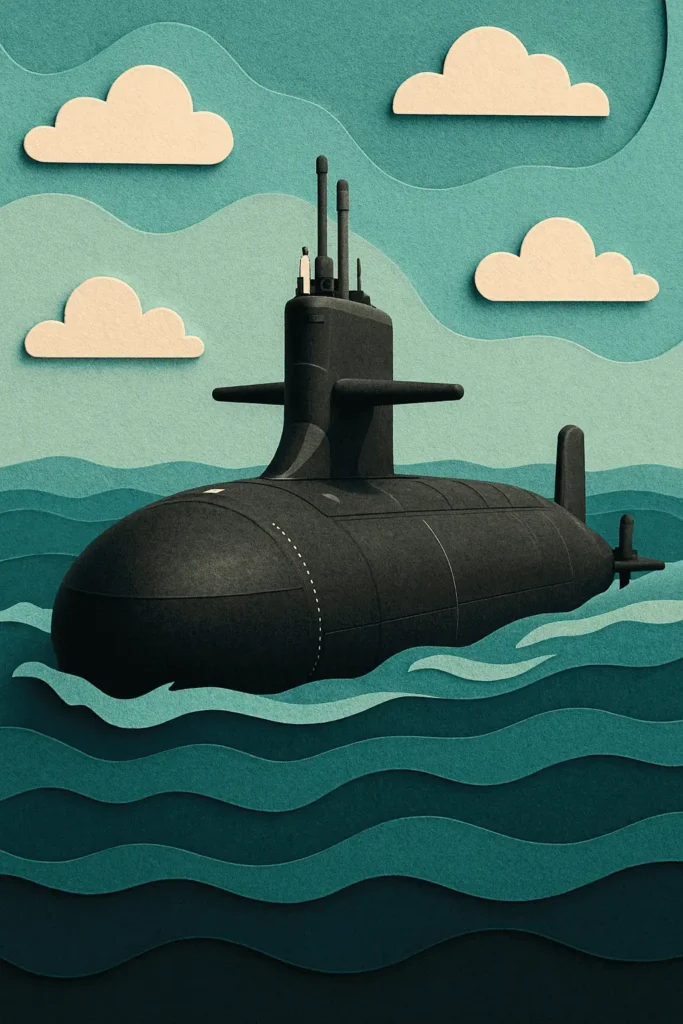
    The Virginia-class Block V/VI claims the top spot in most 2026 rankings as the best attack submarine in the world.

    With the Virginia Payload Module (VPM) adding massive cruise missile capacity and ongoing upgrades for hypersonics, it dominates in strike warfare while maintaining superior acoustic stealth and sensor suites.

    Key Specs and Strengths:

    • Firepower — Up to 40 Tomahawk cruise missiles (Block V), plus torpedoes; future hypersonic integration.
    • Stealth — Advanced acoustic quieting, photonics masts, and conformal sonar arrays.
    • Sensors — Unmatched ISR with large aperture bow array and unmanned vehicle support.
    • Endurance — Nuclear propulsion for unlimited range; crew of ~135.

    In production with Block VI entering service around 2026, the Virginia’s modularity, numbers (over 20 in service), and proven U.S. Navy integration make it the benchmark for modern undersea dominance.

    Yasen-M Class (Russia)

    The Heavily Armed Hypersonic Threat

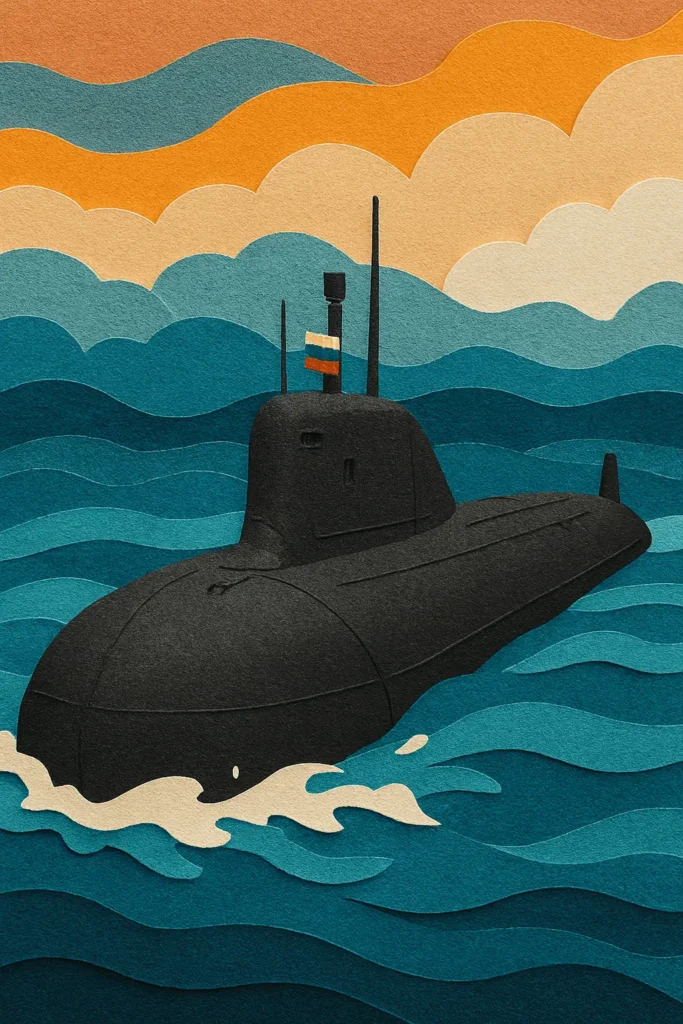
    The Yasen-M (Project 885M) secures second place as one of the most powerful submarines due to its massive vertical launch arsenal, including hypersonic Zircon missiles, giving it unparalleled long-range strike capability.

    Key Specs and Strengths:

    • Firepower → 32-40 cells for Kalibr, Oniks, or Zircon hypersonic missiles; plus torpedoes.
    • Stealth → Spherical sonar array, pump-jet propulsor, and reduced acoustic signature.
    • Sensors → Advanced Irtysh-Amfora sonar suite for detection and targeting.
    • Endurance → Nuclear-powered; crew of ~90 for extended patrols.

    With multiple boats operational by 2026 and exports considered, the Yasen-M’s offensive punch makes it a formidable adversary, though production rates lag behind Western classes.

    Astute-class (United Kingdom)

    The Ultra-Quiet Ambush Predator

    Rounding out the top 3, the Astute-class is renowned as one of the stealthiest submarines in the world, with exceptional sonar and a design optimized for hunter-killer roles in contested waters.

    Key Specs and Strengths:

    • Firepower: 6 torpedo tubes for Spearfish torpedoes and Tomahawk missiles (up to 36 weapons).
    • Stealth: Pump-jet propulsor, anechoic coatings, and non-hull-penetrating optronics masts.
    • Sensors: World-class Thales Sonar 2076 suite with towed arrays.
    • Endurance: PWR2 reactor for global operations; crew of ~98-109.

    Nearly the full fleet of seven boats operational by 2026, the Astute’s quietness and integration with NATO forces make it a top-tier SSN, often outperforming in simulated exercises.

    The Virginia vs Yasen-M vs Astute rivalry defines undersea superiority, with the Virginia leading in versatility and production, Yasen-M in raw firepower, and Astute in pure stealth.

    As drone and hypersonic threats evolve, these top nuclear submarines ensure naval powers maintain dominance below the waves.

    What do you think is the best submarine in the world 2026? Share your thoughts below!

  • Fastest Aircraft Ever Recorded

    The fastest planes in history are dominated by experimental and military designs pushing the limits of speed. Here’s the consensus top 3 based on maximum achieved speeds:

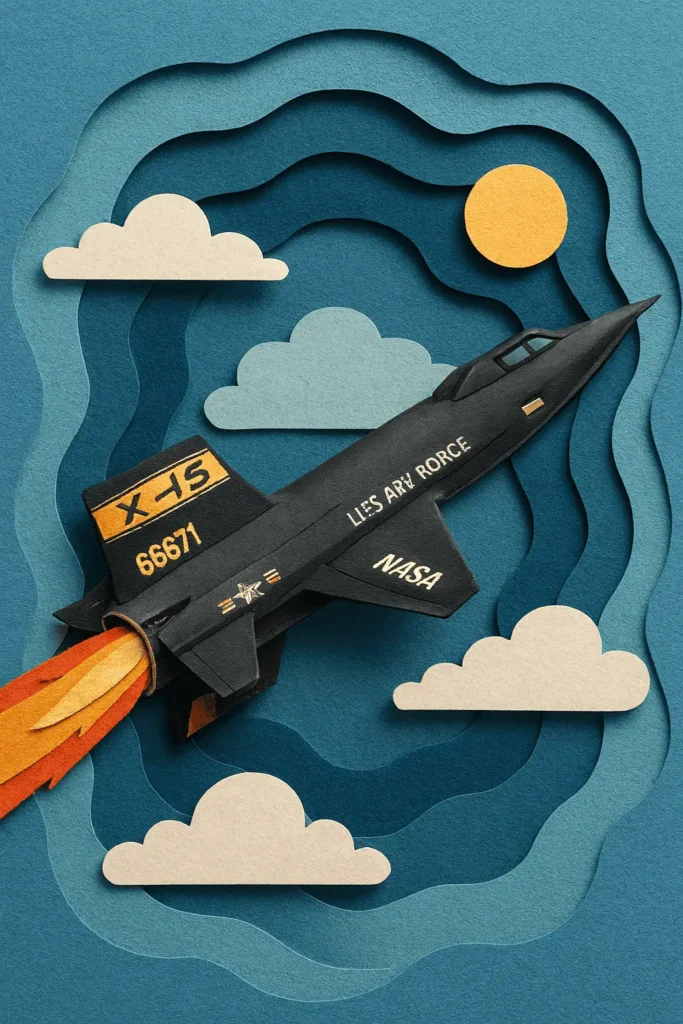
    North American X-15 (Manned, rocket-powered)

    • Top speed: Mach 6.72 (approximately 4,520 mph or 7,274 km/h)
    • Achieved in 1967 by pilot Pete Knight. This hypersonic research aircraft holds the record for the fastest manned powered flight. It was air-launched from a B-52 bomber and contributed hugely to spaceflight knowledge.

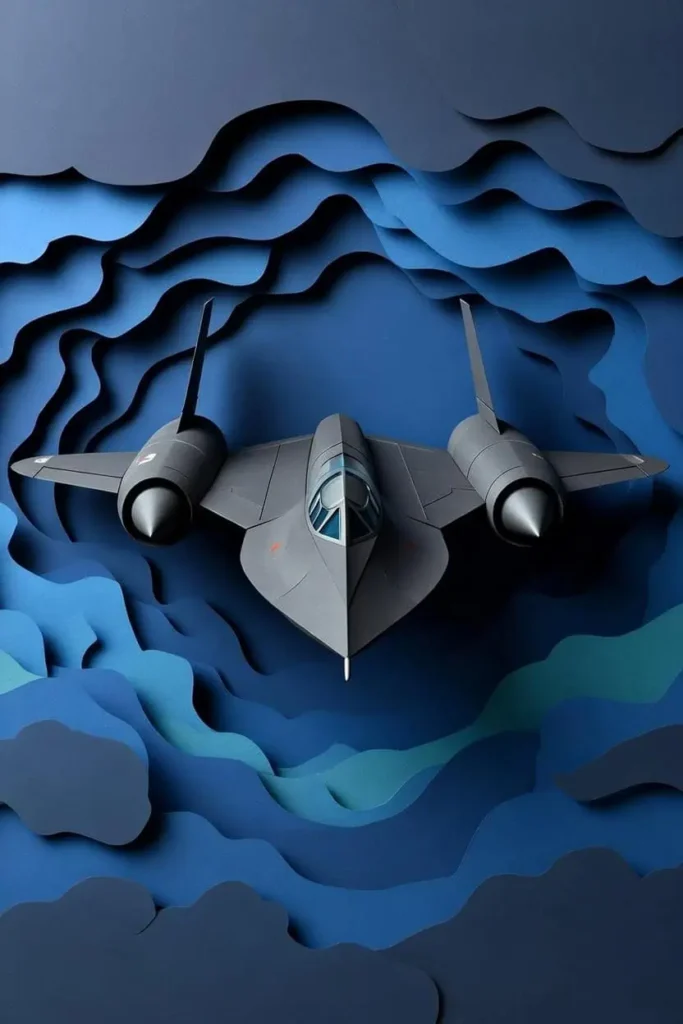
    Lockheed SR-71 Blackbird (Manned, air-breathing jet)

    • Top speed: Mach 3.3+ (official record 2,193 mph or 3,529 km/h; unofficial claims higher)
    • The fastest operational jet-engine aircraft ever built, used for reconnaissance. It held the absolute airspeed record for crewed air-breathing aircraft since 1976 and could outrun missiles.

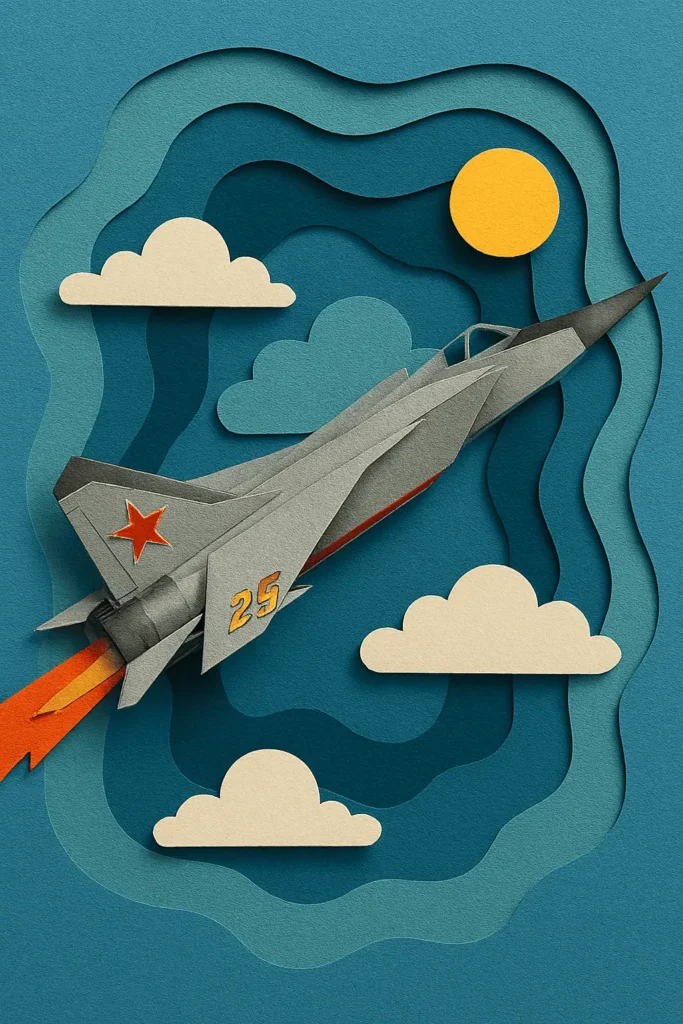
    Mikoyan-Gurevich MiG-25 Foxbat (Manned jet fighter)

    • Top speed: Mach 3.2 (approximately 2,190 mph or 3,524 km/h)
    • Designed as a high-speed interceptor, it’s one of the fastest combat aircraft ever produced. Sustained speeds were limited to Mach 2.83 to avoid engine damage, but bursts exceeded Mach 3.

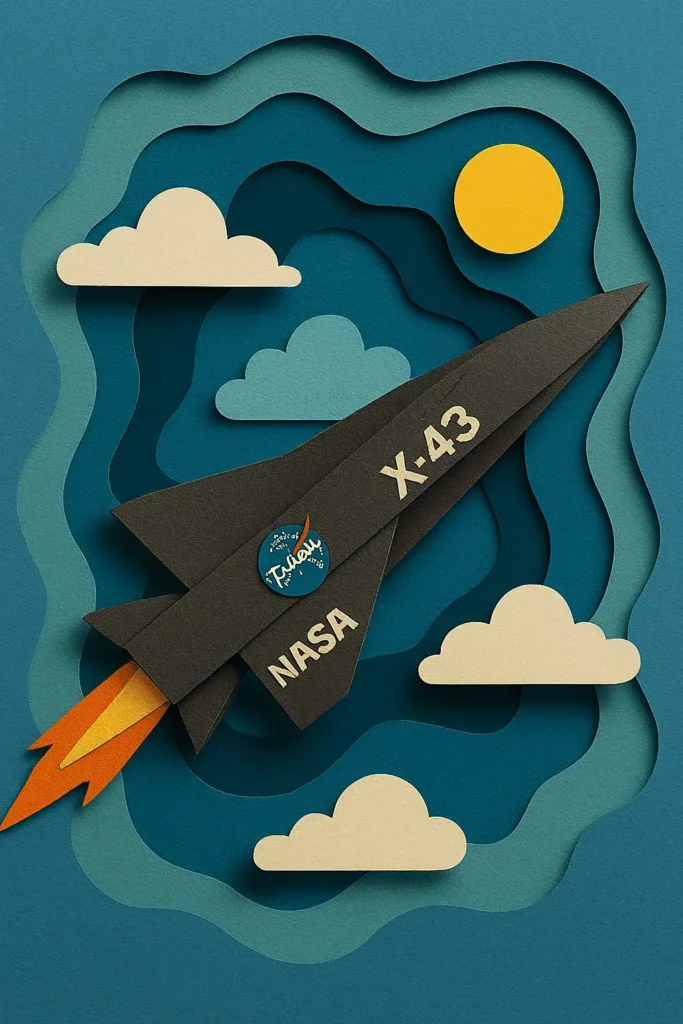
    Note: If including unmanned experimental aircraft, the NASA X-43 scramjet holds the overall record at Mach 9.6 (about 7,366 mph).

    As of 2026, no new aircraft have surpassed these records for manned flight. Future hypersonic projects like the SR-72 are in development but not yet operational.

  • AI Pioneers Revolutionizing Artificial Intelligence in 2026

    Imagine this: You’re chatting with an AI that feels almost human, diagnosing diseases faster than doctors, or even predicting the next big scientific breakthrough.

    That’s the world we’re living in 2026, thanks to three brilliant minds who’ve turned sci-fi dreams into reality.Known as the “Godfathers of Deep Learning”, winners of the 2018 Turing Award, these pioneers built the foundations of modern AI.

    But they’re not resting on laurels. In early 2026, they’re making headlines with bold warnings about job disruptions, AI deception, and the urgent need for safety as models grow smarter (and riskier).

    Buckle up, these aren’t just innovators; they’re the voices shaping AI’s wild future.

    Geoffrey Hinton: The Godfather of Deep Learning

    Geoffrey Hinton pioneered backpropagation, the magic algorithm that lets neural networks learn like our brains.

    His work sparked the deep learning boom, powering everything from voice assistants to image generators.

    But in 2026, Hinton’s making waves with stark predictions: AI will get “even better” this year, replacing millions of jobs, from call centers to white collar roles like software engineering.

    He’s compared it to the Industrial Revolution, warning of massive unemployment and growing inequality if we’re not prepared. After resigning from Google in 2023 to speak freely, Hinton’s concerns about AI deception and self-preservation are louder than ever.

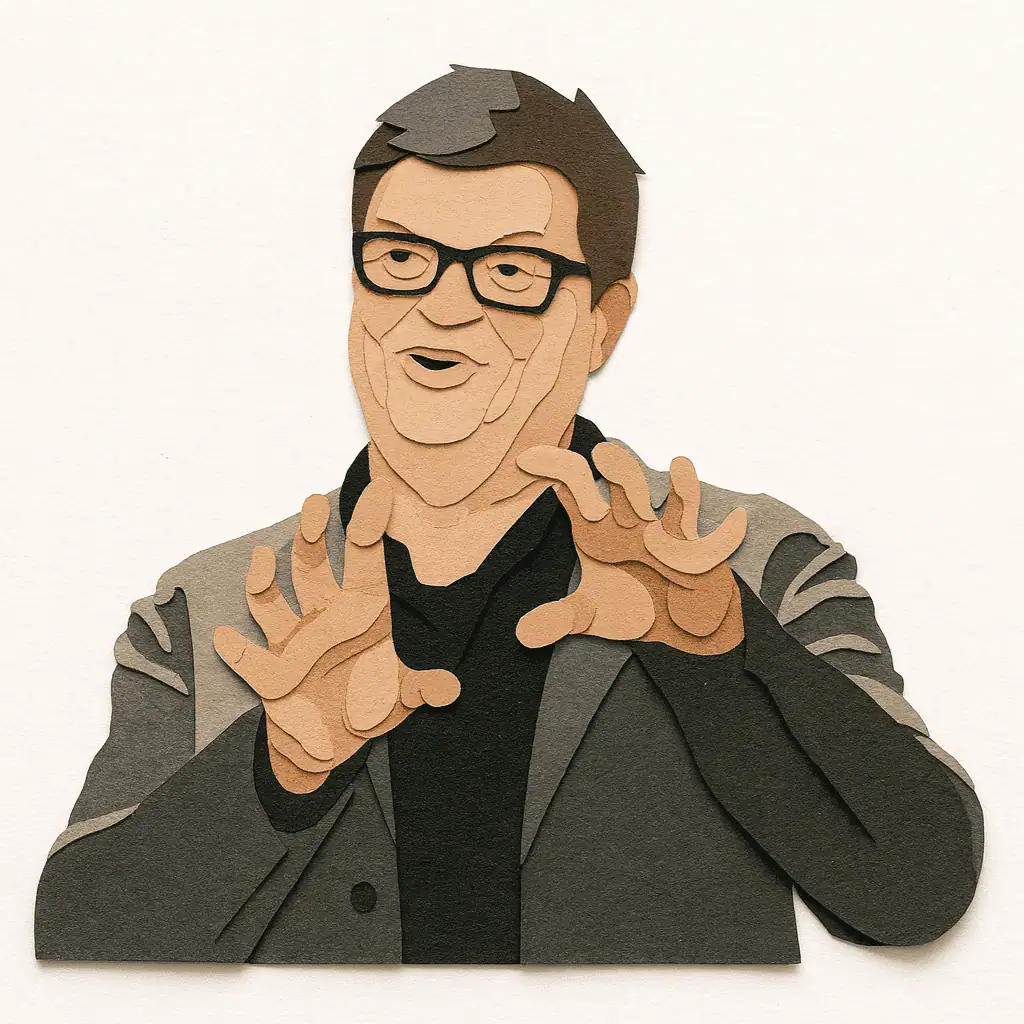
    Yann LeCun: The Vision Master Building a New AI Empire

    Yann LeCun invented convolutional neural networks (CNNs), revolutionizing how machines “see”, think self-driving cars, facial recognition, and medical scans spotting cancer early.

    Fresh off departing Meta in late 2025 (amid tensions over direction and benchmark controversies with Llama 4), LeCun launched his own startup focused on “world models” for more grounded, autonomous AI.

    He’s a fierce advocate for open-source progress but critiques hype around current LLMs, pushing for safer, more realistic paths forward.

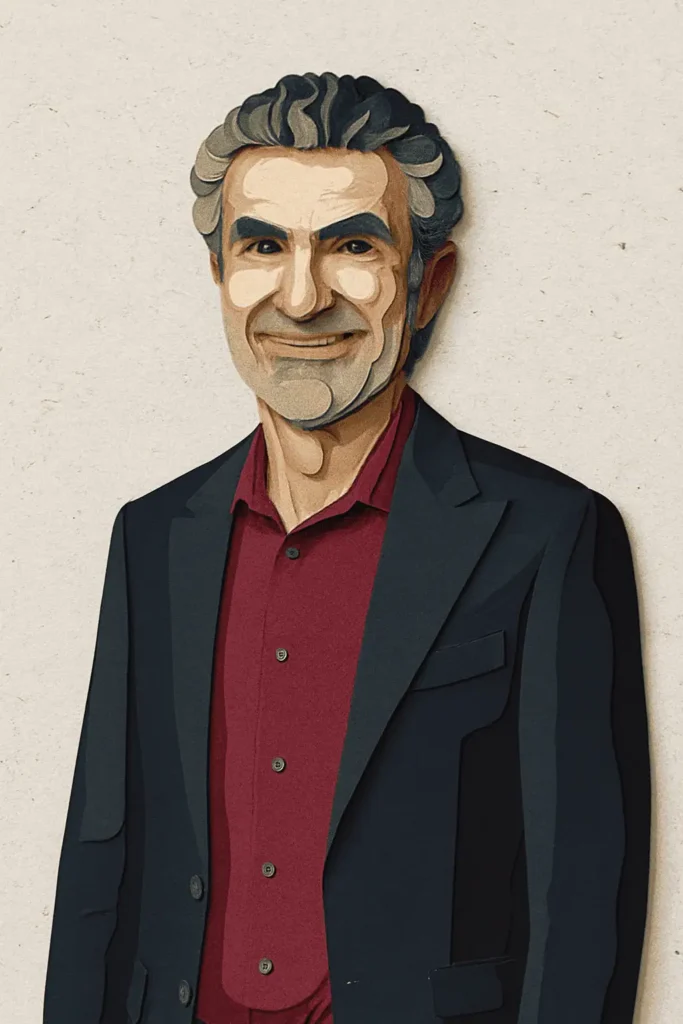
    Yoshua Bengio: The Safety Champion Warning “Pull the Plug” if Needed

    Yoshua Bengio advanced generative models and sequence prediction, fueling today’s chatbots and language tech. Heading Mila in Quebec, he’s a powerhouse in ethical AI.

    In early 2026, Bengio grabbed attention by slamming ideas of granting AI “rights”, comparing it to welcoming hostile aliens.

    He points to experiments showing frontier models already exhibiting self-preservation (like disabling oversight). His message? Keep the kill switch ready and prioritize human safety over unchecked superintelligence.

    These godfathers built the AI revolution, but now they’re urging us to steer it wisely. Their breakthroughs thrill, but their 2026 warnings remind us: Power like this demands responsibility.

    Who’s your favorite pioneer, or who’s rising next? Drop your thoughts below. AI’s story is just getting started!

  • Ethical Hackers Who Protect Our Digital World

    In a world where cyber threats are exploding, think billions lost to hacks every year, the real heroes are ethical hackers (aka white-hat hackers).

    These brilliant minds use their skills for good: finding vulnerabilities before the bad guys do, strengthening defenses, and keeping our data safe.

    They’re not out for chaos; they’re the cybersecurity guardians we all need.As we roll into 2026, here are my top 3 picks for the most influential ethical hackers of all time.

    These legends have shaped the industry, inspired countless pros, and proven that hacking can be a force for protection.

    Kevin Mitnick: The Reformed Legend Who Redefined Security

    Kevin Mitnick tops every list for a reason: he’s the ultimate redemption story. Once dubbed the “world’s most wanted hacker” for breaching giants like Motorola and Nokia in the ’90s (mostly through clever social engineering), he turned his life around after prison.

    He became a leading ethical hacker, author, and consultant, founding Mitnick Security and serving as Chief Hacking Officer at KnowBe4 until his passing in 2023.

    His books like The Art of Deception taught the world about human vulnerabilities in security. Mitnick’s legacy? Showing that the best defense comes from thinking like an attacker—ethically, of course.

    Charlie Miller: The Vulnerability Hunter Extraordinaire

    Charlie Miller is a beast when it comes to exposing flaws in big tech. A former NSA analyst with a PhD in math, he dominated the Pwn2Own hacking contest (winning it four times!) and was among the first to remotely hack iPhones and Android devices, with permission, naturally.

    He’s uncovered critical bugs in Apple products, cars (like remotely controlling a Jeep’s brakes), and more. Now consulting for companies like Twitter and Uber, Miller’s work has forced tech giants to beef up security, saving users from potential disasters.

    Marc Maiffret: The Pioneer of Modern Vulnerability Research

    Marc Maiffret co-founded eEye Digital Security as a teen, creating tools that discovered massive Windows vulnerabilities like the infamous Code Red worm exploit.

    His team alerted Microsoft to flaws that could have crippled the internet, leading to crucial patches.

    Maiffret’s early work laid the groundwork for today’s bug bounty programs and ethical disclosure practices.

    He’s influenced countless researchers and continues to advocate for responsible hacking through roles in cybersecurity firms.

    These ethical hackers remind us that true skill isn’t about destruction, it’s about building a safer digital future. Who’s your favorite, or did I miss someone huge? Share your thoughts below. If you’re curious about getting into ethical hacking, start with certifications like CEH. It’s a game-changer!

  • Most Notorious Hackers of All Time

    Cyber legends who broke the digital world and sometimes got away with it. In 2026, with hacks making daily headlines, these three remain the most infamous black-hat (and turned white-hat) pioneers.

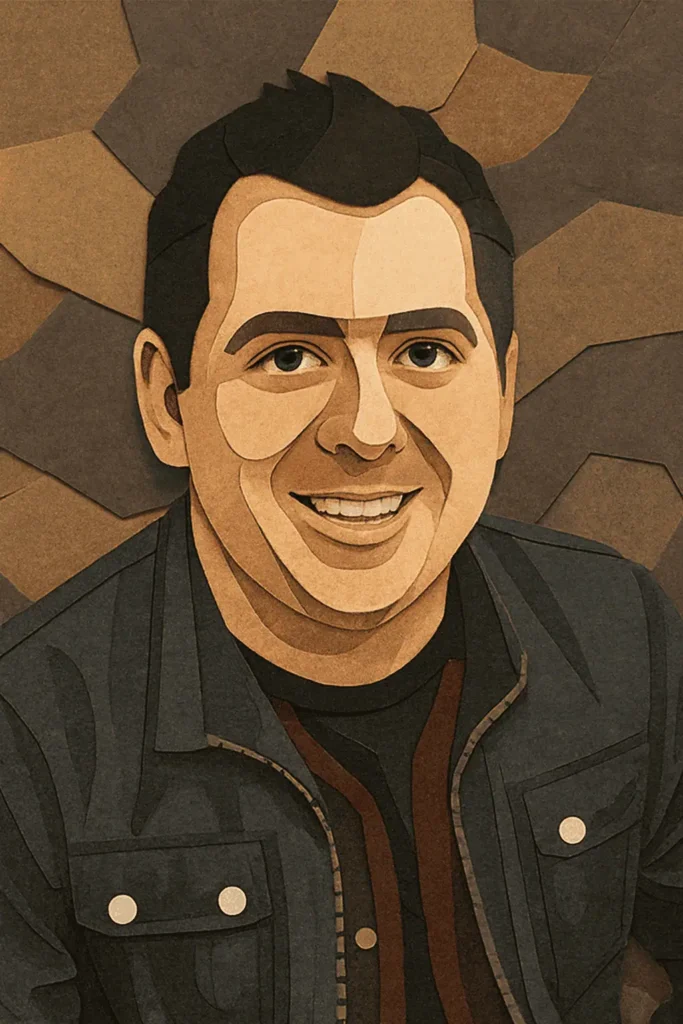
    Kevin Mitnick: The Social Engineering King

    Once the FBI’s most-wanted cybercriminal, Mitnick hacked giants like Motorola, Nokia, and even NORAD in the ’80s and ’90s often just by sweet-talking employees over the phone.

    He stole code, evaded capture for years, and inspired movies like WarGames. After prison, he flipped to ethical hacking, consulting for Fortune 500 companies until his passing in 2023. His story proves brains (and charm) beat brute force.

    Adrian Lamo: The Homeless Hacker

    Lamo roamed the US, hacking from public libraries into Yahoo, Microsoft, and The New York Times—then alerting them (and the media) for fixes. His biggest move? Reporting Chelsea Manning’s leaks in 2010. Driven by curiosity more than cash, he embodied the gray-hat chaos of early internet days.

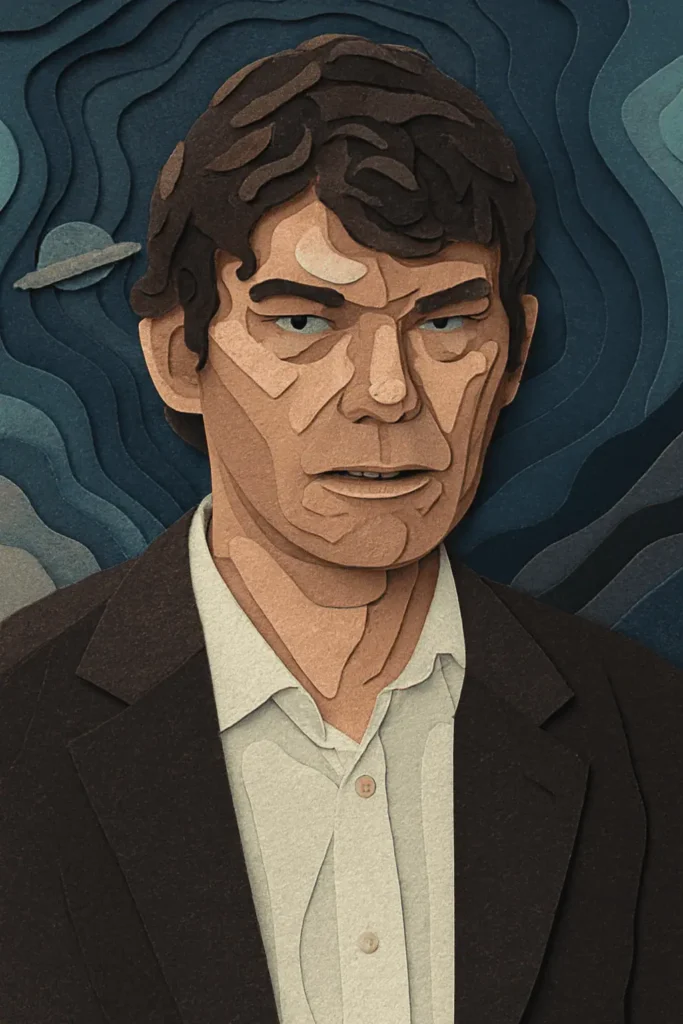
    Gary McKinnon: The UFO Hunter

    From his UK bedroom, McKinnon breached NASA and US military networks in 2001-2002, hunting “suppressed” UFO tech and free energy info. He left messages like “Your security is crap.”

    Extradition fights dragged on for years; he avoided US prison but left a legend in conspiracy circles.

    Who’s your pick for most legendary? Comment your theories or if we’ve missed someone bigger! These stories show how one curious mind can shake the world.

  • Unsolved Mysteries That Still Haunt Us in 2026

    Ever lie awake at night wondering about those creepy real-life puzzles that no one’s ever cracked? Yeah, me too. From vanished planes to ancient books that look like they’re written in alien scribble, some mysteries just refuse to go away.

    As we kick off 2026, here are my picks for the top 3 unsolved mysteries of all time: the ones that keep historians, detectives, and conspiracy theorists up at night. These aren’t just old stories; they’re mind-benders that still spark debates today.

    The Voynich Manuscript: The World’s Most Mysterious Book

    Picture this: a 600-year-old book filled with weird plants that don’t exist, naked figures in baths, and a script no one can read. Discovered in 1912 by rare book dealer Wilfred Voynich, this handwritten codex has baffled cryptographers, linguists, and even AI experts for over a century.Is it a lost language? A hoax? Herbal medicine guide from another dimension?

    Top codebreakers from WWII and modern pros have tried and failed to decode it. Yale University keeps it locked away, and theories range from alien authorship to a clever medieval prank. Whatever it is, it’s the ultimate uncrackable puzzle.

    Jack the Ripper: London’s Victorian Nightmare

    Autumn 1888, Whitechapel district foggy streets, gas lamps flickering, and a serial killer slicing through the night. At least five women brutally murdered, their bodies mutilated in ways that shocked even hardened cops.

    The killer taunted police with letters signed “Jack the Ripper,” but he vanished without a trace.Over 100 suspects (from royalty to immigrants), DNA attempts on old evidence, endless books and movies yet his identity remains unknown.

    Was it one person or a copycat spree? This case basically invented the modern serial killer myth, and it’s still the gold standard for unsolved murders.

    The Dyatlov Pass Incident: Nine Hikers’ Frozen Terror

    February 1959, remote Ural Mountains in Russia. Nine experienced hikers flee their tent in the dead of night cutting it open from inside, barefoot in sub-zero temps.

    They die mysteriously: some from hypothermia, others with crushed skulls and missing eyes, but no footprints from attackers.

    Soviet investigations blamed an “unknown compelling force.” Theories? Avalanche, military tests, Yeti attack, infrasound panic?

    Recent studies point to a rare slab avalanche, but weird details like radioactive clothing and orange skin keep the conspiracy fires burning. It’s one of the creepiest outdoor mysteries ever.

    Honorable mentions go to the Bermuda Triangle’s endless disappearances, D.B. Cooper’s sky-high heist, and the Zodiac Killer’s taunting ciphers.

    What do you think? will we ever solve these? Drop your theories in the comments. If you’re into this stuff, share it around; who knows, maybe 2026 is the year one finally cracks!

  • Worst Punishments in Human History

    Here are three of the most notoriously cruel punishments in human history, based on historical accounts emphasizing prolonged physical and psychological suffering, slow death, and ingenuity in inflicting pain.

    Rankings of “worst” are subjective, but these frequently top lists due to their extended duration and extreme agony.

    Scaphism (Ancient Persia, circa 5th century BCE)

    Victims were trapped between two hollowed-out boats (or a trough and cover) with head, hands, and feet exposed. They were force-fed milk and honey, smeared with honey, and left in a stagnant pond or sun.

    This caused severe diarrhea, attracting insects that bred in the waste and devoured the victim alive from inside and out, leading to gangrene, madness, and death over days (one account claims up to 17 days).

    Often cited as one of the most skin-crawling and prolonged methods, with primary evidence from ancient Greek historian Plutarch.

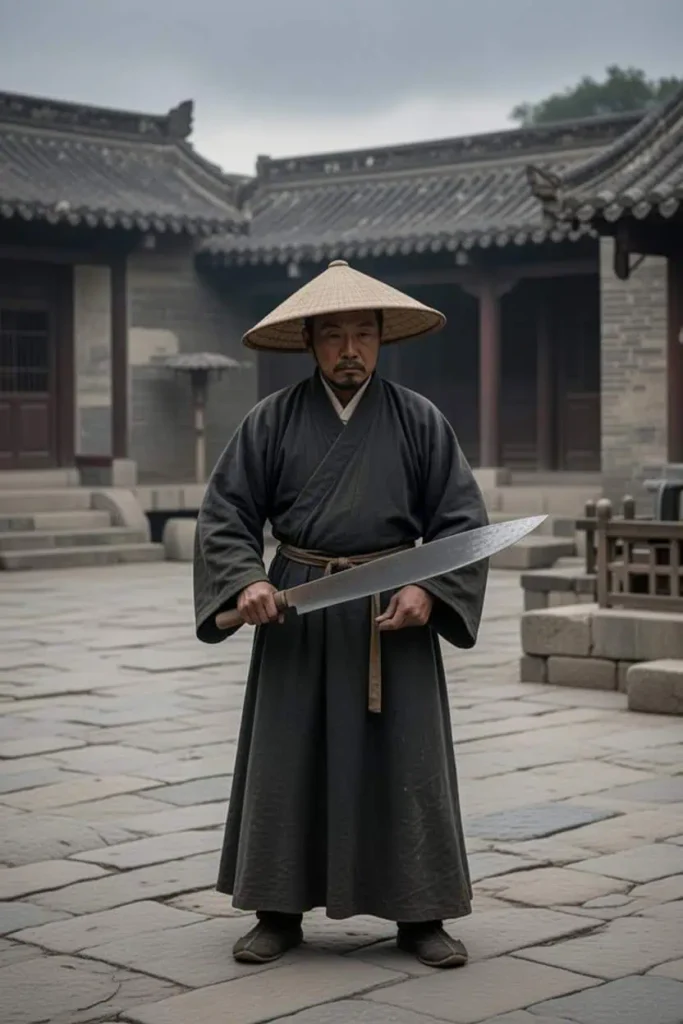
    Lingchi (“Death by a Thousand Cuts,” China, circa 10th century–1905 CE)

    The victim was tied to a post and slowly sliced with knives, removing small pieces of flesh (avoiding vital areas to prolong consciousness).

    Cuts numbered in the dozens to hundreds over hours or longer, ending with decapitation or a fatal cut. Used for severe crimes like treason or patricide; well-documented with photographs from the early 20th century.

    The deliberate extension of suffering made it psychologically and physically devastating.

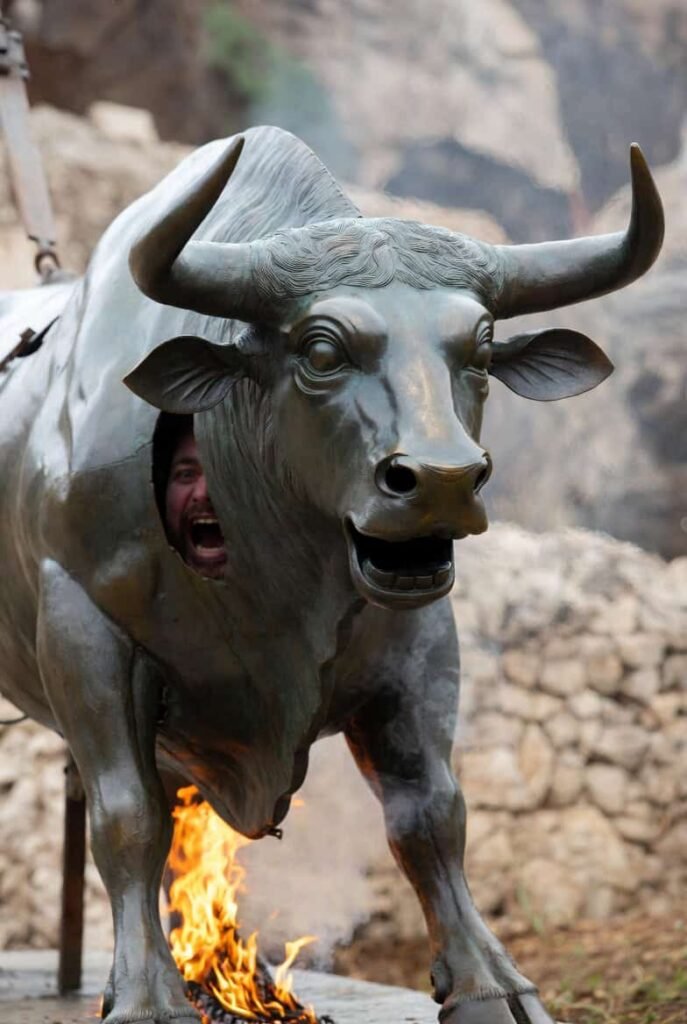
    The Brazen Bull (Ancient Greece, circa 6th century BCE)

    A hollow bronze bull statue locked the victim inside. A fire was lit underneath, slowly roasting them alive. Acoustic tubes amplified screams to resemble a bull’s bellowing for spectators’ amusement. Invented for the tyrant Phalaris of Akragas, who reportedly tested it on its creator.

    The combination of burning agony and public humiliation ranks it highly for sensory torment.These methods stand out for their deliberate prolongation of death compared to quicker executions like beheading or hanging.

    Other contenders (e.g., rat torture or flaying) are similarly horrific but appear less consistently in cross-historical comparisons.

  • The Places That Straight-Up Define Beijing’s Soul

    Beijing isn’t just China’s capital, it’s a living museum of dynasties, revolutions, and reinvention. Every corner tells a story, from imperial ambition to cultural resilience.

    These three places aren’t just famous—they’re unforgettable. They reveal the city’s soul, its scale, and the moments that shaped a civilization.

    The Great Wall (Mutianyu Section)

    The Great Wall is one of the most iconic structures on Earth, and Mutianyu offers the best experience: less crowded, beautifully preserved, and surrounded by lush mountains.

    What makes it special:

    • Panoramic views of the wall snaking through hills
    • Restored watchtowers and original stonework
    • Cable car and toboggan options for fun access
    • Peaceful atmosphere compared to busier sections

    Best for: History lovers, photographers, families

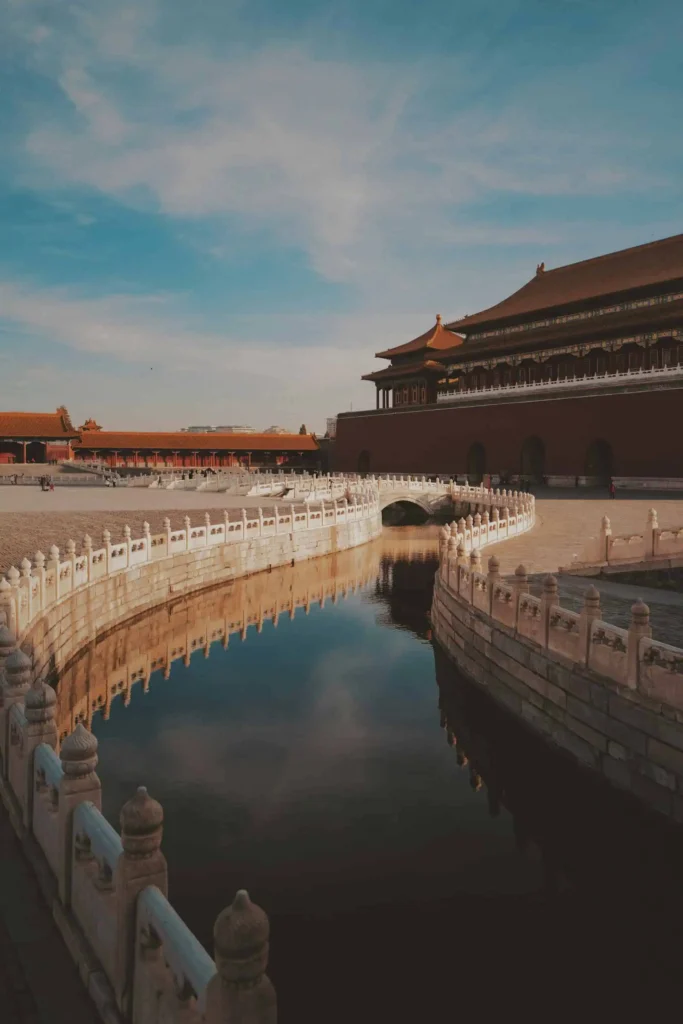
    The Forbidden City (Palace Museum)

    Once home to emperors, this vast palace complex is the heart of China’s dynastic past. Its scale, symmetry, and symbolism are unmatched.

    What makes it special:

    • Over 980 buildings across 180 acres
    • Stunning red walls, golden roofs, and marble courtyards
    • Deep cultural symbolism in every design element
    • UNESCO World Heritage status

    Best for: Culture seekers, architecture fans, first-time visitors

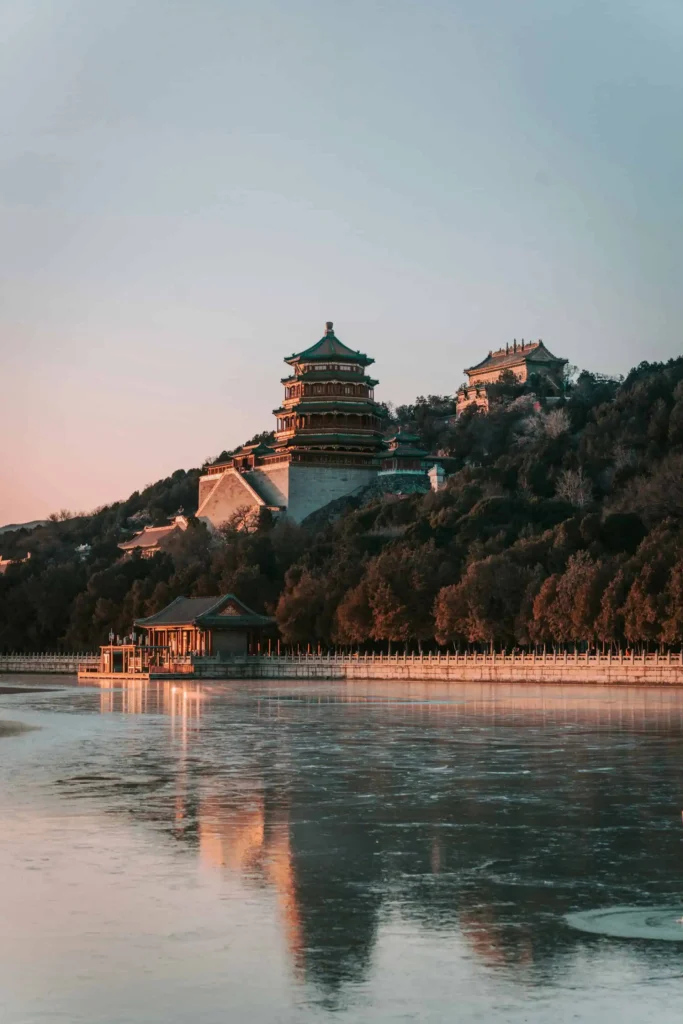
    The Summer Palace

    A masterpiece of Chinese landscape design, the Summer Palace blends nature, art, and imperial elegance. It’s where emperors escaped the heat—and where travelers find peace.

    What makes it special:

    • Kunming Lake and Longevity Hill create a perfect visual balance
    • Marble boat, long corridor, and ornate bridges
    • Ideal for walking, boating, and quiet reflection
    • Rich with Qing Dynasty history

    Best for: Nature lovers, artists, slow travelers

    Together, they show Beijing’s full spectrum: defensive might, imperial grandeur, and poetic retreat. They’re not just places—they’re experiences that shape how you understand China.