Planet

Focuses on the challenges facing our planet and the solutions that protect it. It explains climate, ecosystems, threats, and the practical steps people and communities take to keep Earth healthy for future generations.

  • Places on Earth That Feel Alien

    Some landscapes look like they belong on another planet. No cities, no familiar shapes, just raw geology and colors that don’t make sense. These three places feel so strange and otherworldly that stepping into them is like leaving Earth behind.

    Danakil Depression, Ethiopia — Earth’s Hottest, Strangest Landscape

    The Danakil Depression looks like a sci‑fi set built for a planet with no atmosphere.  

    Pools glow neon green. Crystals form in impossible shapes. Steam vents hiss from the ground.

    Temperatures can reach 50°C (122°F), and the air smells like sulfur.

    What makes it alien:

    • Acid pools in bright yellow and green
    • Salt flats stretching to the horizon
    • Active volcanoes and lava lakes
    • A landscape that looks chemically wrong

    It’s one of the few places where Earth feels unfinished.
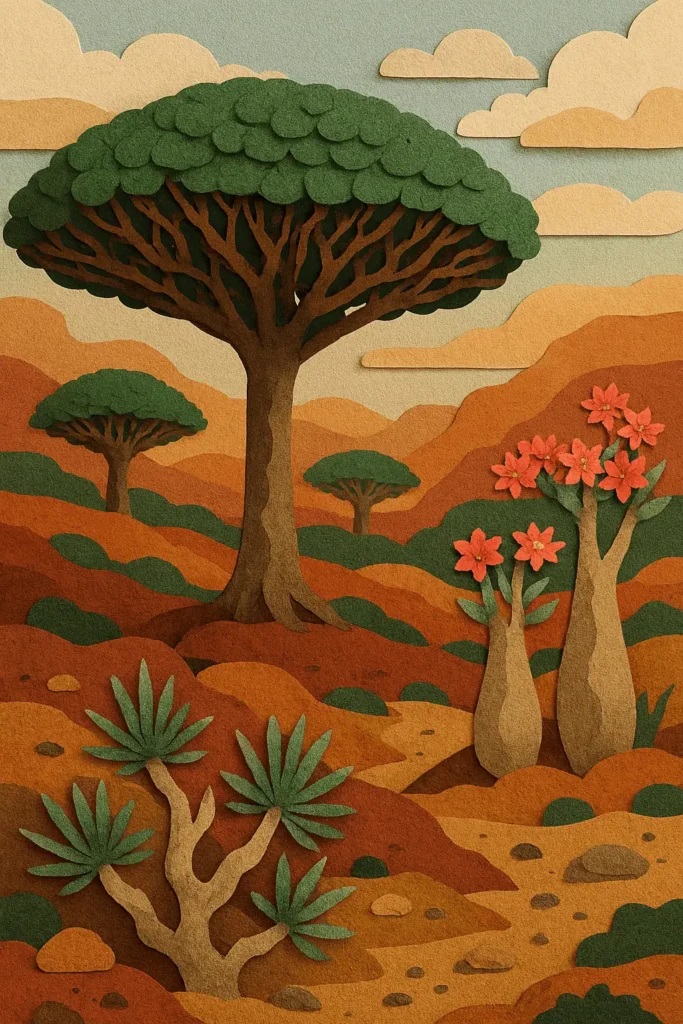
    Socotra Island, Yemen — The Island of Impossible Trees

    Socotra is often called the most alien‑looking place on Earth and it earns the title.

    The island is home to plants found nowhere else, including the dragon’s blood tree, which looks like a giant umbrella made of wood. The sap is bright red, and the forests look like they belong on another world.

    What makes it alien:

    • Dragon’s blood trees with umbrella canopies
    • Bottle trees shaped like swollen trunks
    • Wildlife that evolved in isolation
    • A landscape that feels untouched for millions of years

    Socotra is Earth’s closest match to a natural alien ecosystem.
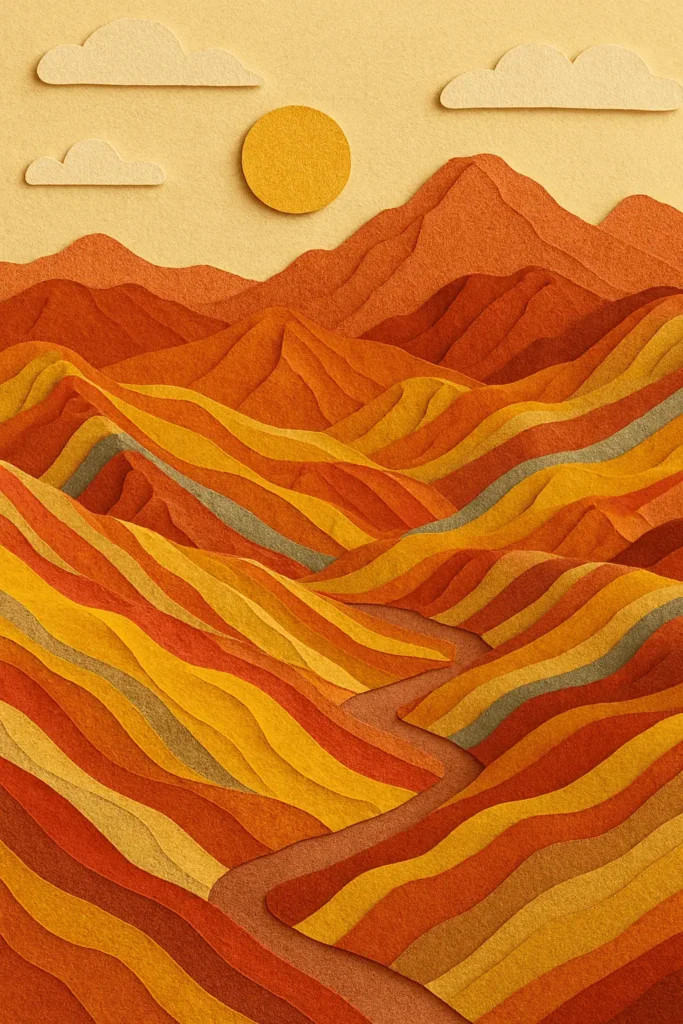
    Zhangye Danxia, China — The Rainbow Mountains

    These mountains look digitally edited, but the colors are real. Layers of sandstone and minerals were compressed, lifted, and carved by wind into waves of red, gold, blue, and purple.

    From a distance, the hills look painted.

    What makes it alien:

    • Stripes of color that look artificial
    • Smooth, rolling shapes with no vegetation
    • A horizon that glows at sunrise and sunset

    It’s one of the few places where geology looks like art.

    These landscapes feel alien because they break the rules of what Earth “should” look like:

    • Danakil is too hot, too bright, too chemical
    • Socotra is too strange, too isolated, too ancient
    • Danxia is too colorful, too smooth, too perfect

    Earth still has places that feel like other worlds, no spaceship required.
  • The Rarest Animals in the World

    Some animals are so rare that seeing one feels like spotting a glitch in the world. Three of the rarest — the Javan Rhino, the Amur Leopard, and the Vaquita — are still alive, but only just. Their stories are different, but they all point to the same truth: once a species gets this close to disappearing, every single individual matters.

    The Javan Rhino: The Last Holdouts

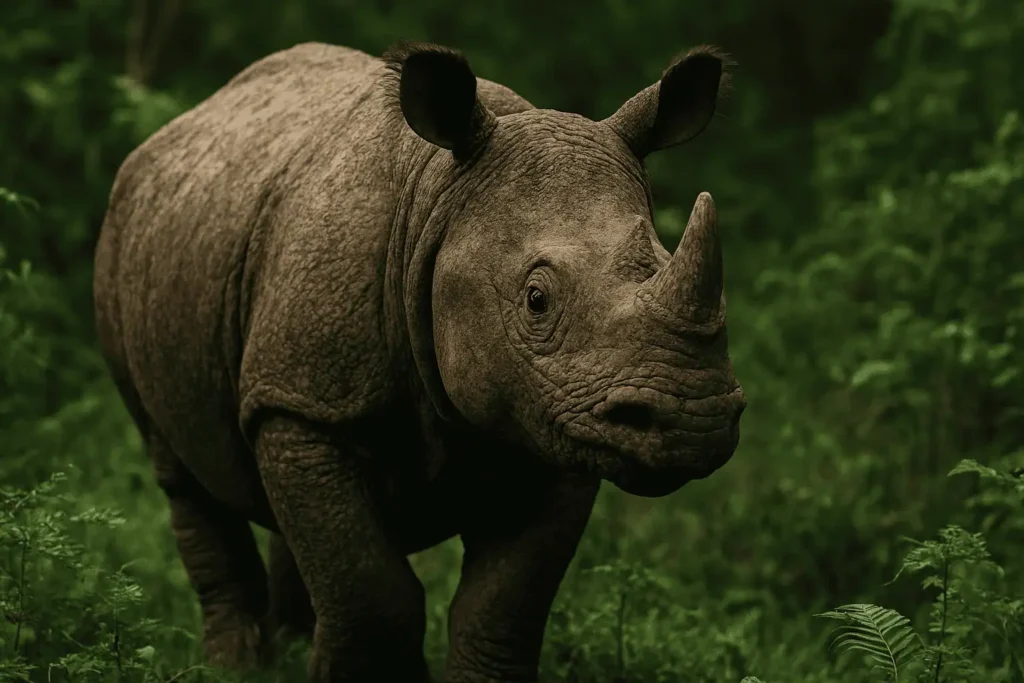
    The Javan Rhino is one of the hardest animals on Earth to see. Not because it hides, though it does, but because there are almost none left.

    • Around 80 remain.
    • All live in one place: Ujung Kulon National Park in Indonesia.
    • There are no zoos, no backup populations, no second location.

    They look like living armor, with thick folds of skin and a single small horn. But their biggest threat isn’t predators, it’s how fragile their situation is. One disease outbreak, one tsunami, one bad year, and the entire species could vanish.

    The Amur Leopard: The Snow Ghost

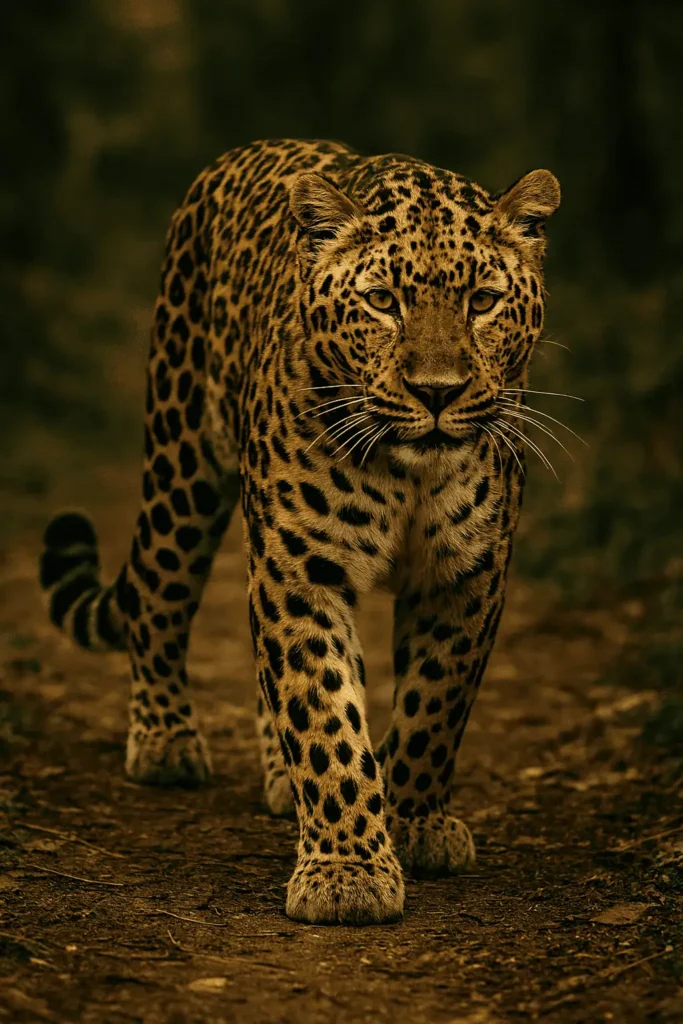
    If the Javan Rhino is a tank, the Amur Leopard is a shadow. It moves through the snowy forests of Russia and China with a kind of quiet confidence that only top predators have.

    • Fewer than 130 in the wild.
    • Lives in some of the coldest forests on Earth.
    • Known for its long legs, thick winter coat, and unreal agility.

    Poaching and habitat loss nearly erased it in the 1990s. Conservation helped, but the population is still so small that every cub born feels like breaking news.

    The Vaquita: The Rarest Marine Mammal on Earth

    • Fewer than 10 remain.
    • All threats come from humans, especially illegal fishing nets.
    • They’ve never been kept in captivity. Every Vaquita alive is wild.

    They don’t leap. They don’t show off. They surface quietly, breathe, and disappear again. Most people will never see one in their lifetime, and that’s exactly the problem.

    Each of these animals represents a different world: rainforest, snow forest, and ocean, but they share the same story: they’re running out of time because of us.

    They’re not extinct.  

    But they’re close enough that they feel like rumors whispered through the wild.

    Saving them isn’t about saving “animals.”  

    It’s about saving the last threads of something ancient, rare, and irreplaceable.