Nature

Explores the animals, plants, and ecosystems that shape life on Earth, highlighting how species live, adapt, and connect within the natural world.

  • Biggest Animals You’ll Never See in a Zoo

    Too massive, too wild, or too impossible to contain.

    Zoos can house elephants, giraffes, even hippos, but some giants are simply beyond captivity. Their size, biology, or environment makes them impossible to display, even in the world’s most advanced facilities.

    These are the creatures that exist only in the open ocean, the deep cold, or the far edges of wilderness, animals so large and specialized that no enclosure could ever do them justice.

    Blue Whale

    The Ocean’s Moving Continent


    The blue whale is the largest animal to ever exist, reaching 33 meters (108 feet) and weighing up to 200 tons. A single heartbeat echoes through seawater like a distant drum. No zoo could ever replicate the open‑ocean migration routes these giants travel, thousands of miles across entire basins. Their size alone makes captivity impossible, but it’s their need for deep, cold, krill‑rich waters that seals it. A blue whale belongs to the planet, not a tank.
    Colossal Squid

    The Deep‑Sea Phantom

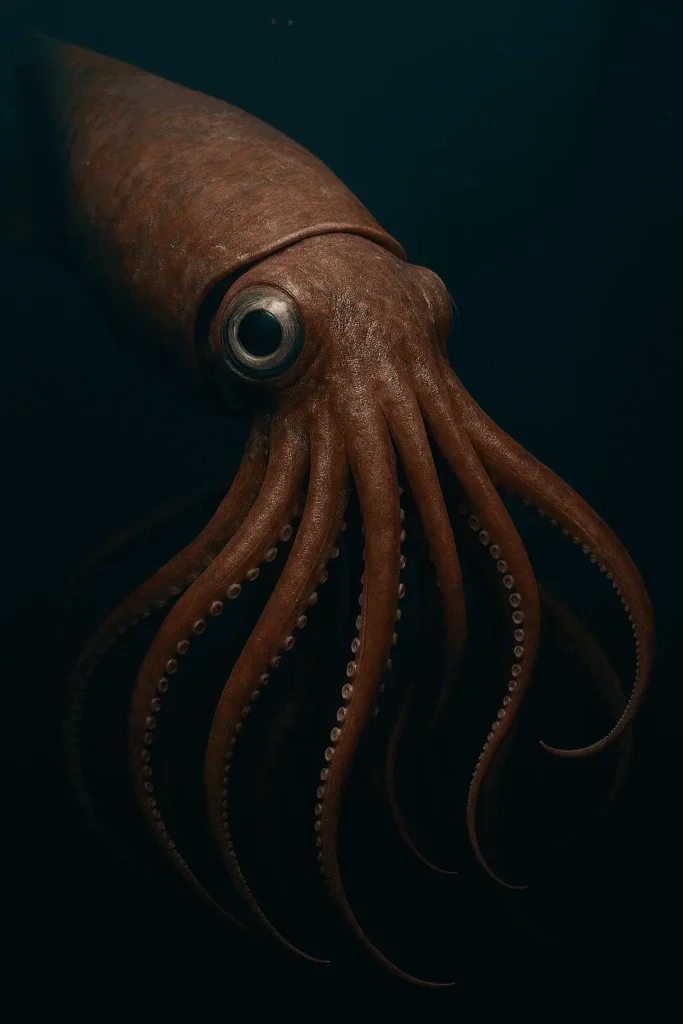
    The colossal squid can reach 14 meters (46 feet) and carries the largest eyes in the animal kingdom — each the size of a basketball. It lives in the freezing, pitch‑black waters of Antarctica, where pressure, temperature, and darkness create conditions no aquarium can mimic.

    Every specimen ever found was either injured or already dead. A living colossal squid is one of Earth’s last true mysteries, a creature too alien and too fragile to ever survive in captivity.
    Sperm Whale

    The Deep Diver With a Brain Like a Planet

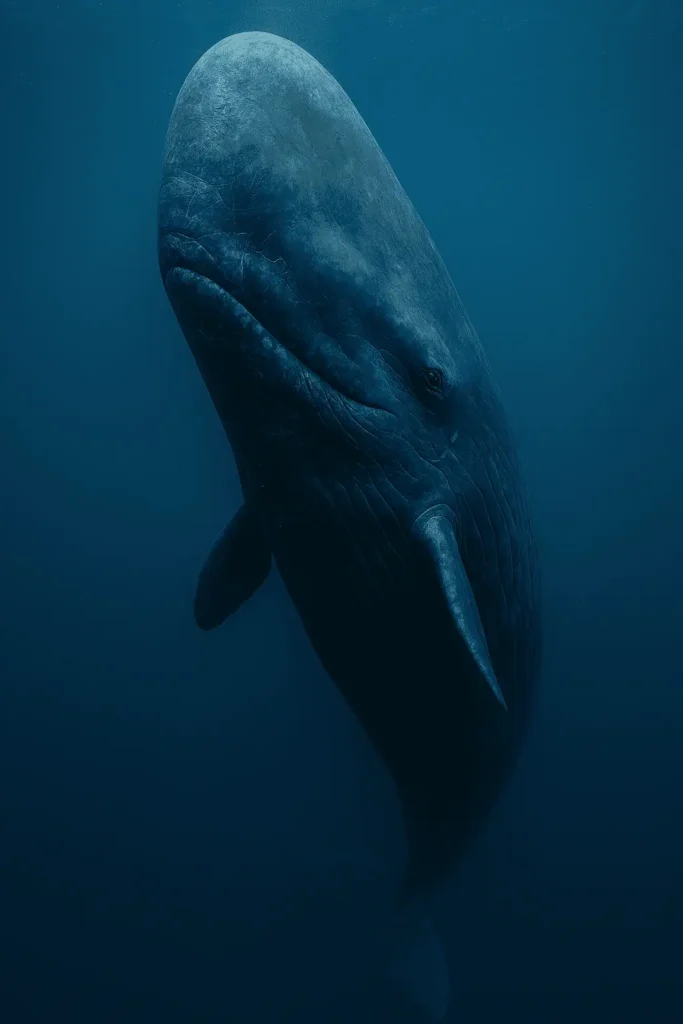
    Sperm whales grow up to 20 meters (67 feet) and hold the record for the largest brain of any animal. They dive more than 2,000 meters (6,500 feet) into the abyss to hunt giant squid, holding their breath for over an hour.

    No zoo or aquarium can recreate the crushing pressure, the darkness, or the vertical space these whales need. Their social structures are complex, their migrations enormous, and their biology incompatible with confinement. They are built for the deep.

    Why These Giants Stay Wild

    Some animals aren’t just big, they’re ecosystems, shaped by forces no human structure can replicate. Their size, physiology, and behavior tie them to environments that stretch beyond human engineering.

    And maybe that’s the point: some creatures are meant to remain legends you meet only in the wild.
  • Animals That Move Like Lightning


    Out there, speed decides everything. Interestingly, some animals move so fast, they blur past predators, prey, and even expectations.  

    They don’t just run or fly. They vanish.

    Here are the three fastest creatures alive, each one built for pure velocity.

    Peregrine Falcon

    This bird doesn’t fly. It dives.  

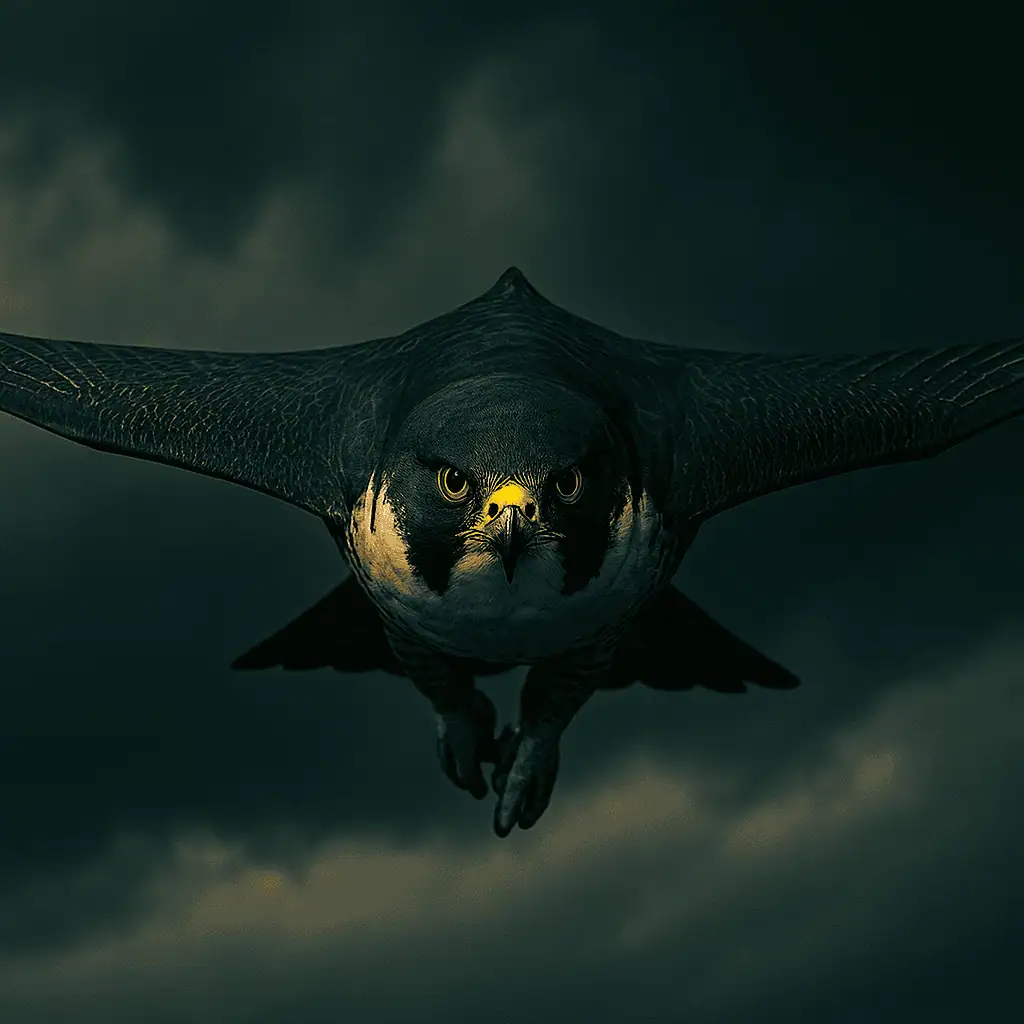
    When hunting, the peregrine falcon folds its wings and drops from the sky like a missile reaching speeds over 240 mph (386 km/h).  

    Its body is aerodynamic. Its eyes are built to track prey mid-plunge. And its impact is so precise, the prey rarely sees it coming.

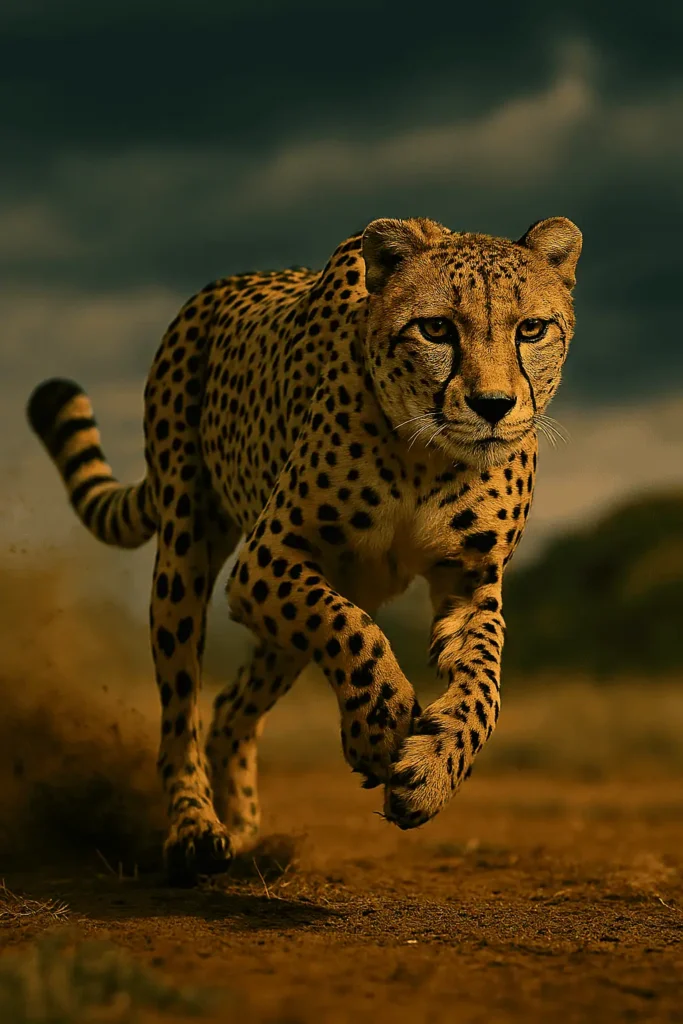
    Cheetah

    The cheetah is the fastest land animal alive.  

    It can hit 60 to 70 mph (97 to 113 km/h) in short bursts. But it’s not just about top speed, it’s how fast it gets there.  

    From zero to full sprint in three seconds. That’s faster than most sports cars.  

    Its spine flexes like a spring. Its claws grip like cleats. Every part of its body is tuned for acceleration.

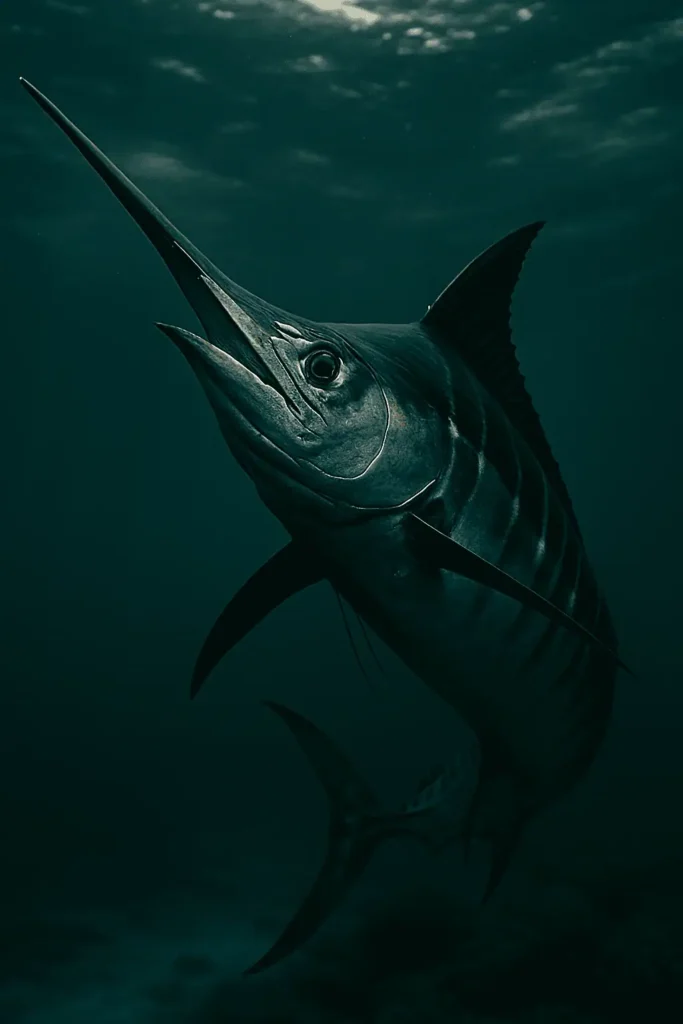
    Black Marlin

    In the ocean, the black marlin is king of speed.  

    It’s been clocked at over 80 mph (129 km/h), slicing through water with a pointed bill and a torpedo-shaped body.  

    Its muscles are packed with power. Its fins barely drag. And when it’s chasing prey, it moves like a blur beneath the surface.

    What Speed Reveals

    These animals don’t move fast for fun. They do it to survive.  

    Speed is their edge. Their escape. Their weapon.  

    And when you see them in motion whether it’s a falcon dropping from the sky or a cheetah exploding across the savanna, you realize something:  

    Nature doesn’t waste energy. It builds for purpose. And sometimes, that purpose is pure velocity.

  • Cutest Animals That Don’t Even Try

    Some animals are cute by design. Big eyes, soft fur, tiny paws. But the ones that truly melt hearts? They don’t even know they’re doing it. They just exist and we stare, smile, and forget whatever we were worried about.

    Here are three animals that have mastered the art of being adorable without effort.

    Red Panda

    The red panda is a walking plush toy. With its round face, fluffy tail, and slow, clumsy movements, it looks like it was built for hugs.  

    Native to the Himalayas and southwestern China, red pandas spend most of their time lounging in trees and munching on bamboo.  

    They blink slowly, tilt their heads, and occasionally roll over like sleepy toddlers. It’s not a performance. It’s just how they live.

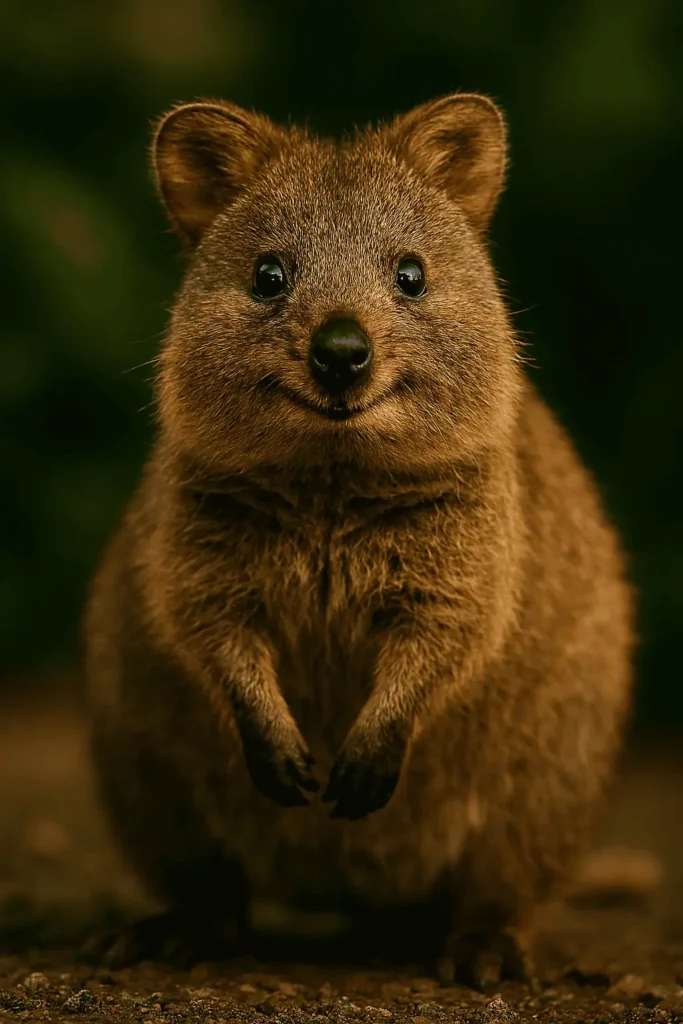
    Quokka

    The quokka is known as the “world’s happiest animal.” It’s a small marsupial from Australia with a permanent smile and a curious bounce.  

    They’re friendly, photogenic, and seem genuinely interested in humans often approaching tourists like they’re meeting old friends.  

    Their round cheeks and wide eyes trigger instant joy. No filters needed.

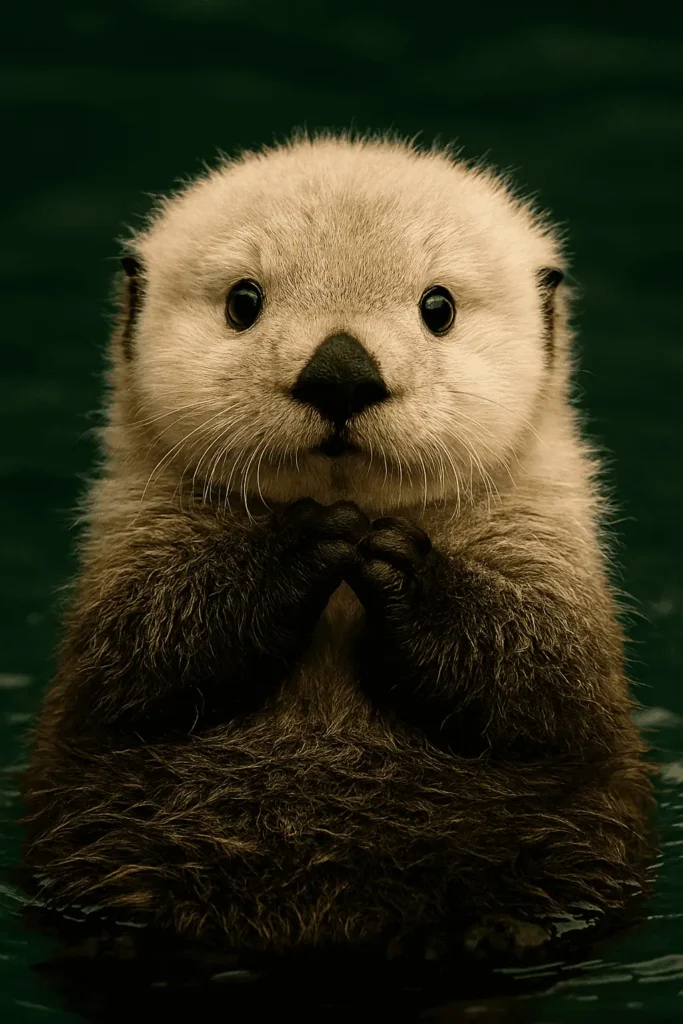
    Baby Sea Otter

    A baby sea otter floats on its back, holding its paws like it’s praying. Sometimes it wraps itself in kelp like a blanket.  

    Its fur is so dense it traps air, making it look extra fluffy.

    They squeak, they cuddle, and they nap while drifting in the water. It’s like watching a stuffed animal come to life.

    The Quiet Power of Adorable

    You don’t need a reason to smile at a red panda. Or a baby sea otter. Or a quokka that looks like it’s posing for a selfie.  

    These animals don’t ask for attention. They just exist and something in us softens.  

    That’s the power of cute. It slows us down. It makes us gentler. It reminds us that not everything has to be serious.

  • Weirdest Animals That Actually Exist

    Nature doesn’t always follow the rules. Some animals look like they were built by accident, or designed by a child with a wild imagination. But they’re real. They live, breathe, and survive in ways that defy logic.

    Here are three of the weirdest creatures on Earth each one stranger than fiction.

    Axolotl (Mexico)

    The axolotl is a salamander that never grows up. Literally. It stays in its larval stage for life, keeping its gills and aquatic body even as it reaches adulthood.  

    It looks like a smiling cartoon with feathery head branches, but it’s a real amphibian that can regrow limbs and even parts of its brain.  

    Scientists study it for clues about regeneration. Kids love it because it looks like a Pokémon. Either way, it’s one of the weirdest animals alive.

    Aye-Aye (Madagascar)

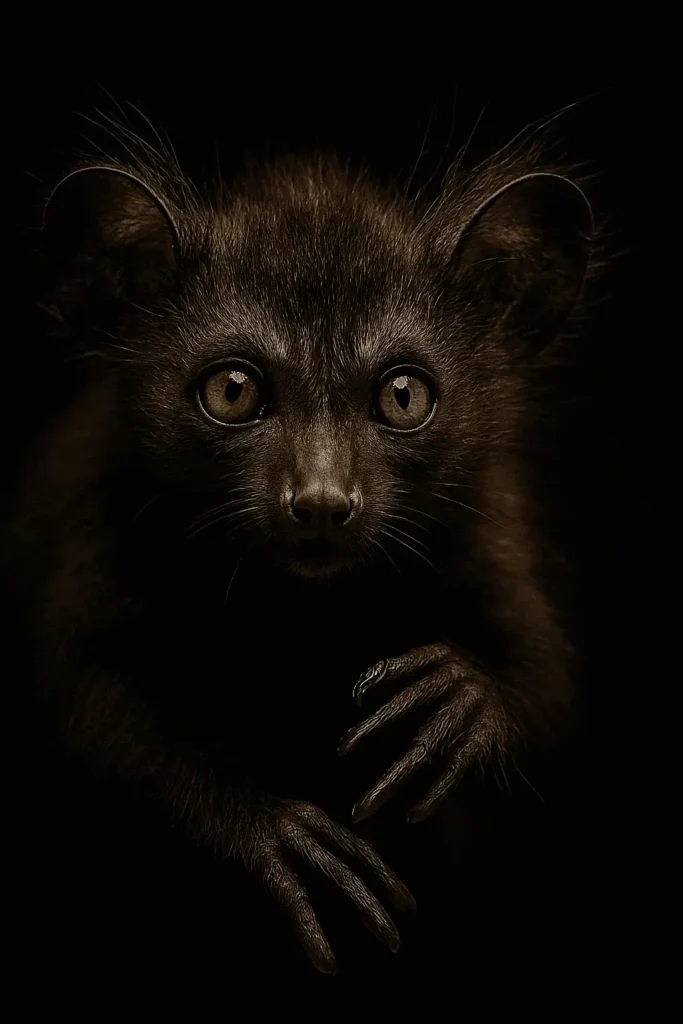
    The aye-aye is a nocturnal primate with rodent teeth and a long, bony middle finger. It uses that finger to tap on trees, listen for hollow spots, and fish out insects like a creepy little drumstick.  

    Its eyes glow, its fur is scruffy, and its movements are twitchy. In some parts of Madagascar, people used to think it brought bad luck.  

    But it’s just a strange little monkey doing its best to survive in the dark.

    Skeleton Panda Sea Squirt (Japan)

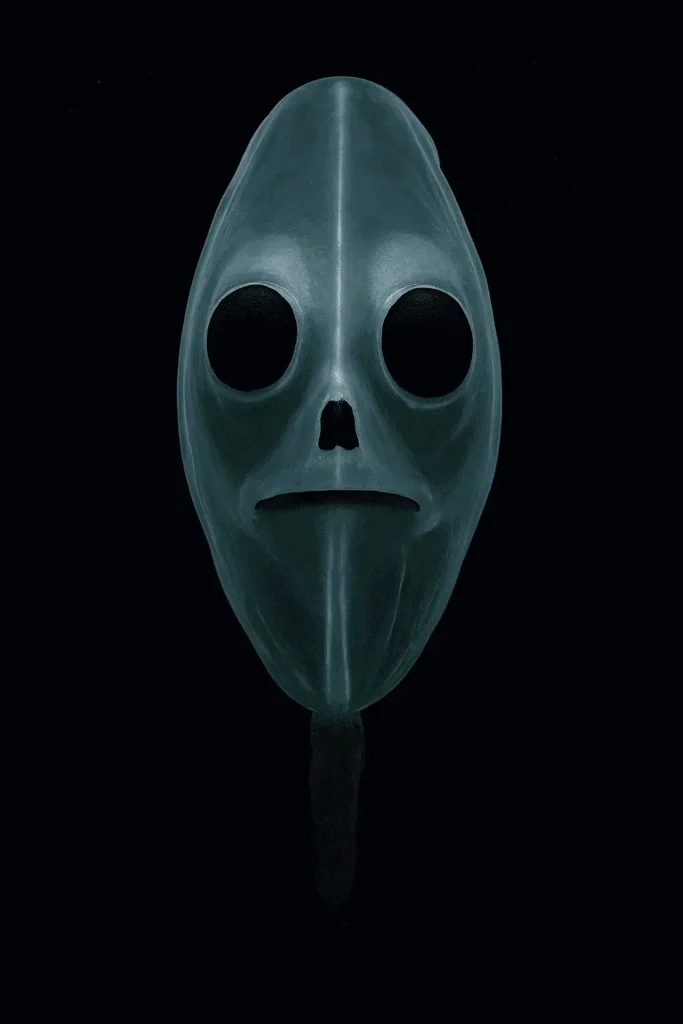
    This newly discovered sea creature looks like a ghost with panda eyes. Its body is transparent, its blood vessels form rib-like patterns, and its black spots resemble cartoon eyeballs.  

    It was found off the coast of Kumejima Island and quickly earned its nickname because of how bizarre it looks.  

    It doesn’t move much. It just sits on the ocean floor, quietly being one of the weirdest things ever found.

    What Weirdness Teaches Us

    These animals aren’t just odd. They’re reminders that nature has range. That survival can look like a smiley face, a haunted finger, or a sea ghost.

    They stretch our idea of what life can be. And they prove that weird isn’t wrong, it’s just different.

  • The Rarest Animals in the World

    Some animals are so rare that seeing one feels like spotting a glitch in the world. Three of the rarest — the Javan Rhino, the Amur Leopard, and the Vaquita — are still alive, but only just. Their stories are different, but they all point to the same truth: once a species gets this close to disappearing, every single individual matters.

    The Javan Rhino: The Last Holdouts

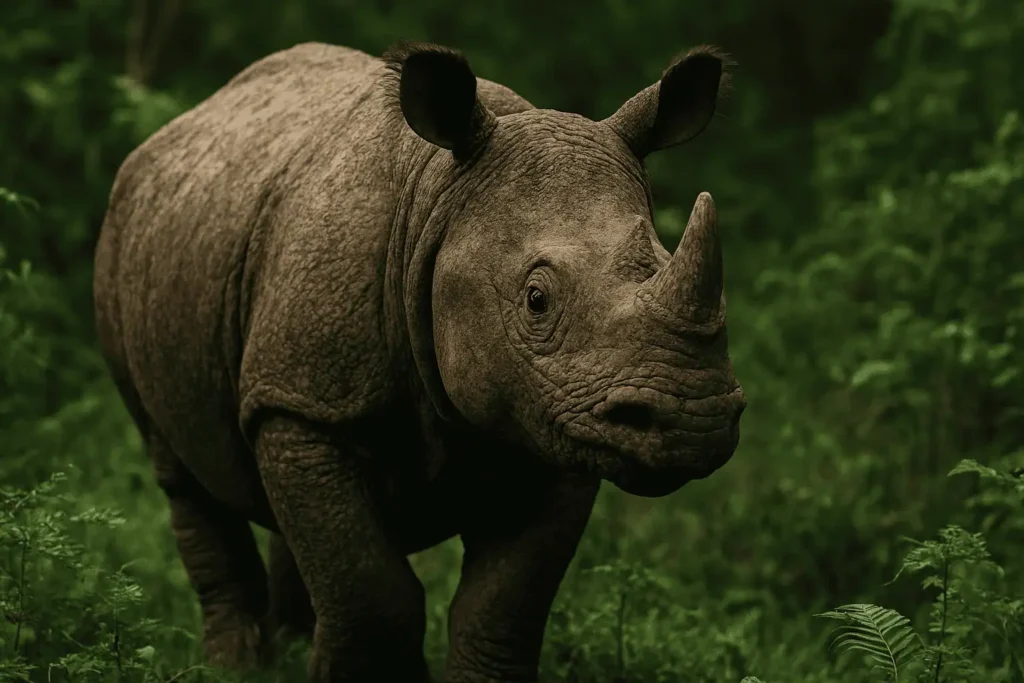
    The Javan Rhino is one of the hardest animals on Earth to see. Not because it hides, though it does, but because there are almost none left.

    • Around 80 remain.
    • All live in one place: Ujung Kulon National Park in Indonesia.
    • There are no zoos, no backup populations, no second location.

    They look like living armor, with thick folds of skin and a single small horn. But their biggest threat isn’t predators, it’s how fragile their situation is. One disease outbreak, one tsunami, one bad year, and the entire species could vanish.

    The Amur Leopard: The Snow Ghost

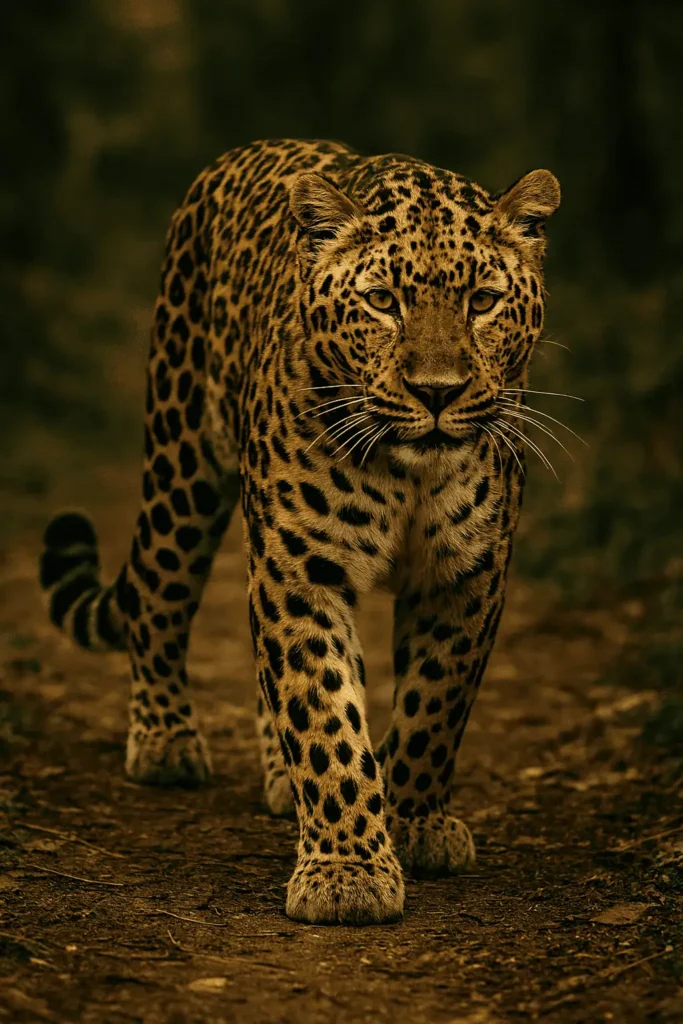
    If the Javan Rhino is a tank, the Amur Leopard is a shadow. It moves through the snowy forests of Russia and China with a kind of quiet confidence that only top predators have.

    • Fewer than 130 in the wild.
    • Lives in some of the coldest forests on Earth.
    • Known for its long legs, thick winter coat, and unreal agility.

    Poaching and habitat loss nearly erased it in the 1990s. Conservation helped, but the population is still so small that every cub born feels like breaking news.

    The Vaquita: The Rarest Marine Mammal on Earth

    • Fewer than 10 remain.
    • All threats come from humans, especially illegal fishing nets.
    • They’ve never been kept in captivity. Every Vaquita alive is wild.

    They don’t leap. They don’t show off. They surface quietly, breathe, and disappear again. Most people will never see one in their lifetime, and that’s exactly the problem.

    Each of these animals represents a different world: rainforest, snow forest, and ocean, but they share the same story: they’re running out of time because of us.

    They’re not extinct.  

    But they’re close enough that they feel like rumors whispered through the wild.

    Saving them isn’t about saving “animals.”  

    It’s about saving the last threads of something ancient, rare, and irreplaceable.