
Neapolitan Pizza – Italy
It starts in the narrow streets of Naples, where the air smells of sea salt and wood smoke. A pizzaiolo slides a round of dough onto a marble counter, stretches it thin in the center, leaves a fat cornicione around the edge.
No rolling pin, hands only.
He spoons on bright red San Marzano tomatoes crushed by hand, adds a few torn leaves of basil, a drizzle of olive oil, and scattered chunks of fresh mozzarella di bufala. Nothing else. Into the domed wood-fired oven it goes, 900 degrees, maybe ninety seconds.
The crust blisters and blackens in spots. When it comes out, the center is still soft, almost soupy, Neapolitans call it “floppy.” You fold a slice and eat it standing up, grease running down your wrist. It’s simple, but when everything is right, it feels like the first time humans figured out fire and bread could be this good.
The European Union gave it protected status; UNESCO named the art of Neapolitan pizzaiuolo intangible cultural heritage. All that really matters is the taste.
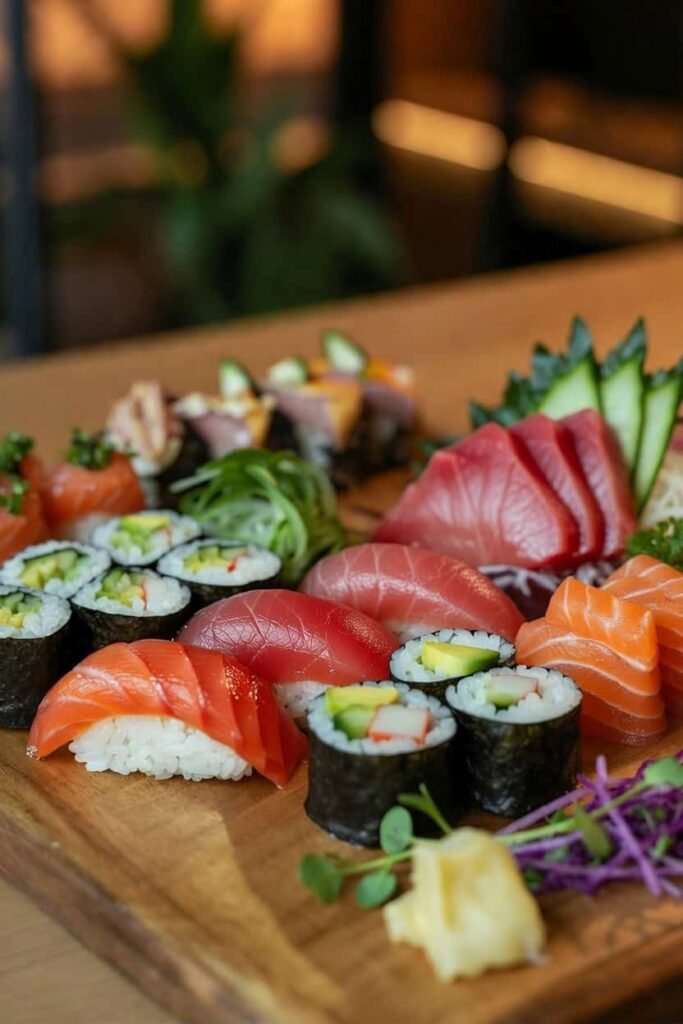
Sushi – Japan
In a small Tokyo counter with maybe ten seats, the chef stands quietly behind hinoki wood. He’s been doing this forty years. He presses a small mound of warm, vinegared rice between his fingers, lays a slice of tuna across it that he cut moments ago. A faint brush of wasabi, nothing more.
You pick it up with your hands, he nods approval, and it dissolves: cool fish, warm rice, the faint tang of vinegar, the ocean still in the tuna. No conversation needed. The silence is part of the meal.
Some nights it’s otoro, marbled and rich; others it’s kohada, shimmering silver skin; sometimes just a curl of sea urchin that tastes like the cold Pacific floor. Every piece is different, every piece perfect in its own way. You leave lighter than you arrived.
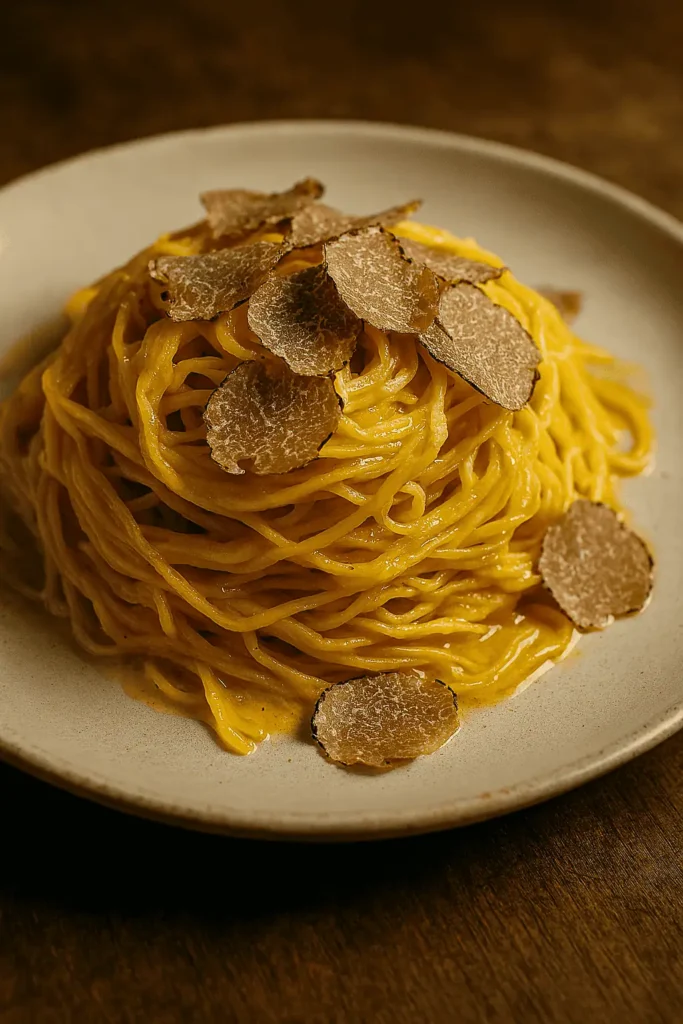
Tajarin al Tartufo Bianco – Italy
Late fall in Alba. The hills are fogged in, the vines bare. A hunter and his dog come down from the woods with a few knobby white truffles wrapped in a cloth.
In a quiet trattoria, the cook drops handfuls of tajarin thin, golden egg pasta cut by hand into boiling water for barely a minute. Drains it, tosses it in a pan with good butter until it gleams. Then, at the table, he shaves the truffle over the steaming pasta, paper-thin curls that melt into the heat.
The smell hits first: garlic and earth and something indefinable that makes your eyes close. You twirl a forkful, eat slowly.
The pasta is delicate, the butter rich, the truffle quiet but impossible to ignore. The plate is empty too soon, but the scent lingers on your fingers for hours.That’s all it is—butter, pasta, truffle—and that’s everything.