Strange

  • Tallest Women in the World

    Verified by Records & Recent Rankings

    Human height has always fascinated us, not just as a biological trait, but as a window into extraordinary lives. The tallest women in the world aren’t just record holders; they’re individuals who’ve navigated unique challenges, medical conditions, and global attention with resilience.

    Below is a clean breakdown of the Top 3 Tallest Women in the World, based on verified Guinness World Records and widely cited global rankings.

    Rumeysa Gelgi (Turkey) — 7 ft 0.7 in (215.16 cm)

    Tallest living woman in the world

    Rumeysa Gelgi has held the Guinness title since 2021, standing at a remarkable 215.16 cm.

    Born with Weaver Syndrome, a rare condition that accelerates growth, she has become a global advocate for body diversity and medical awareness.

    Her story is not just about height. It’s about visibility, courage, and using her platform to educate millions.

    Gelgi has also been featured in documentaries and international media, becoming one of the most recognized figures in modern record‑keeping.

    Sun Fang (China) — 7 ft 9 in (236 cm)

    Tallest woman in the world (unofficial contemporary ranking)

    Sun Fang is often listed as the tallest woman alive in non‑Guinness rankings, measuring an astonishing 236 cm. While not officially recognized by Guinness, she is widely cited in global tall‑person lists and media features.

    Her height places her among the tallest women ever recorded, and her story frequently appears in discussions about extreme human growth and the medical conditions that accompany it.

    Yao Defen (China) — 7 ft 8 in (233 cm)

    Tallest woman in the world before her passing

    Yao Defen, who passed away in 2012, remains one of the tallest women in documented history. Standing at 233 cm, she lived with gigantism caused by a tumor on her pituitary gland.

    Her life drew international attention not only because of her height, but because of the challenges she faced in healthcare access, mobility, and daily living. Yao’s story continues to be referenced in medical literature and human‑interest documentaries.

    Why These Women Stand Out

    These three women consistently appear at the top of global rankings because:

    • Their heights are verified by Guinness or widely documented
    • They represent rare medical conditions that push human growth to extremes
    • Their stories highlight resilience, advocacy, and global impact
    • They remain among the tallest women ever recorded in modern history


    The tallest women in the world: Rumeysa Gelgi, Sun Fang, and Yao Defen stand between 7 ft and nearly 8 ft tall, making them some of the most extraordinary individuals ever documented.

    Their lives offer insight into rare medical conditions, cultural visibility, and the human spirit’s ability to adapt to extreme circumstances.
  • Places on Earth That Feel Alien

    Some landscapes look like they belong on another planet. No cities, no familiar shapes, just raw geology and colors that don’t make sense. These three places feel so strange and otherworldly that stepping into them is like leaving Earth behind.

    Danakil Depression, Ethiopia — Earth’s Hottest, Strangest Landscape

    The Danakil Depression looks like a sci‑fi set built for a planet with no atmosphere.  

    Pools glow neon green. Crystals form in impossible shapes. Steam vents hiss from the ground.

    Temperatures can reach 50°C (122°F), and the air smells like sulfur.

    What makes it alien:

    • Acid pools in bright yellow and green
    • Salt flats stretching to the horizon
    • Active volcanoes and lava lakes
    • A landscape that looks chemically wrong

    It’s one of the few places where Earth feels unfinished.

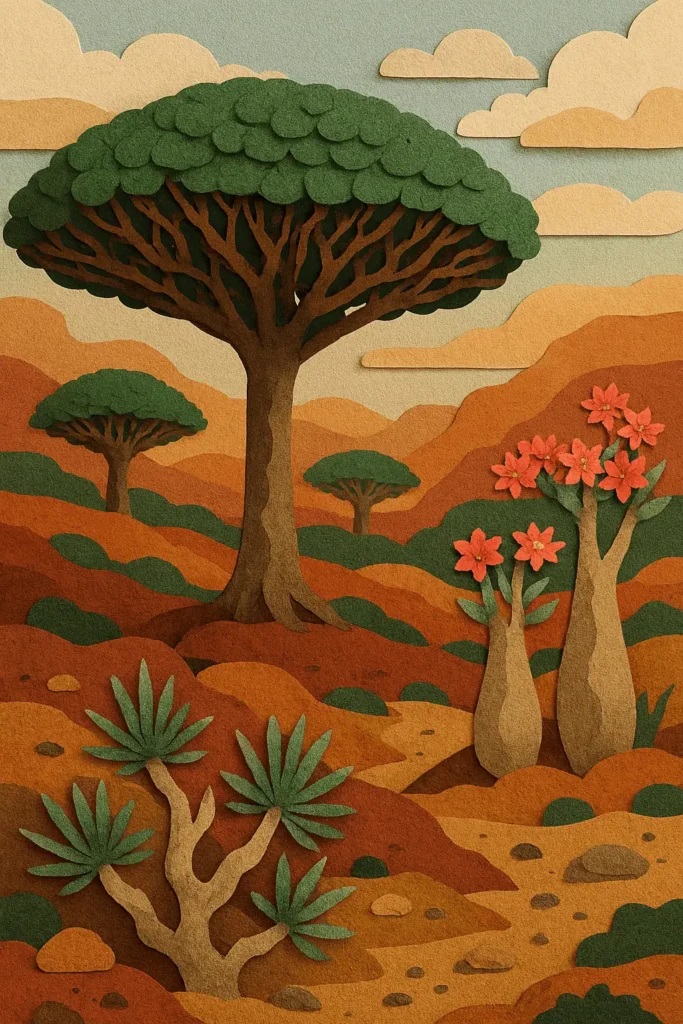
    Socotra Island, Yemen — The Island of Impossible Trees

    Socotra is often called the most alien‑looking place on Earth and it earns the title.

    The island is home to plants found nowhere else, including the dragon’s blood tree, which looks like a giant umbrella made of wood. The sap is bright red, and the forests look like they belong on another world.

    What makes it alien:

    • Dragon’s blood trees with umbrella canopies
    • Bottle trees shaped like swollen trunks
    • Wildlife that evolved in isolation
    • A landscape that feels untouched for millions of years

    Socotra is Earth’s closest match to a natural alien ecosystem.

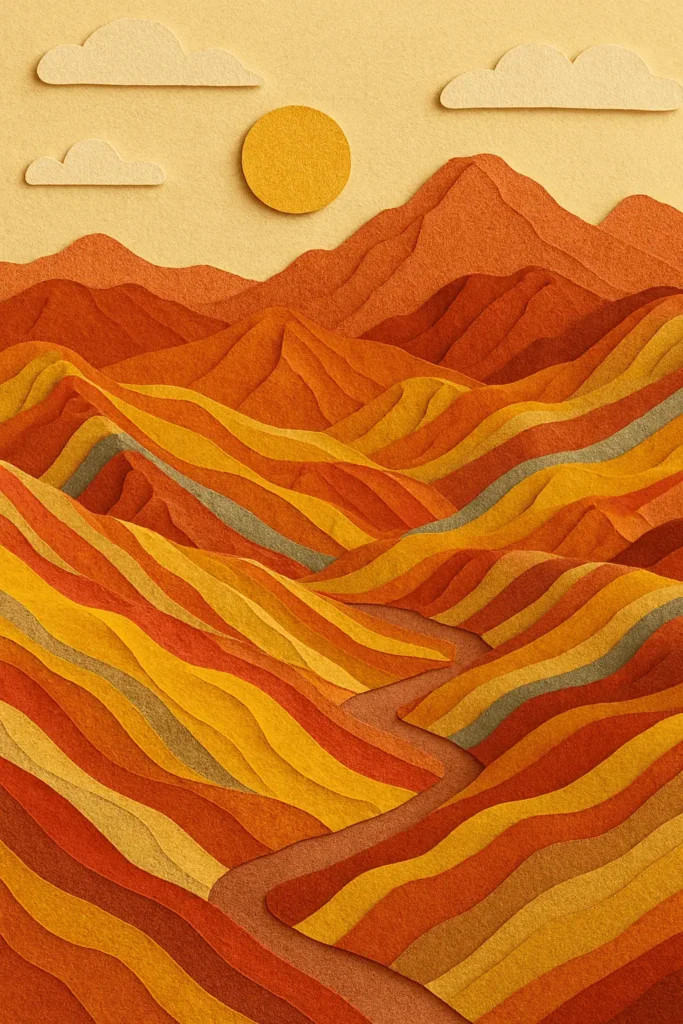
    Zhangye Danxia, China — The Rainbow Mountains

    These mountains look digitally edited, but the colors are real. Layers of sandstone and minerals were compressed, lifted, and carved by wind into waves of red, gold, blue, and purple.

    From a distance, the hills look painted.

    What makes it alien:

    • Stripes of color that look artificial
    • Smooth, rolling shapes with no vegetation
    • A horizon that glows at sunrise and sunset

    It’s one of the few places where geology looks like art.

    These landscapes feel alien because they break the rules of what Earth “should” look like:

    • Danakil is too hot, too bright, too chemical
    • Socotra is too strange, too isolated, too ancient
    • Danxia is too colorful, too smooth, too perfect

    Earth still has places that feel like other worlds, no spaceship required.

  • Animals That Shouldn’t Exist but Do

    Some creatures look like they slipped out of a sci‑fi script and into the real world. They break rules, bend biology, and make scientists shake their heads. These three animals feel impossible, yet they’re very real.

    The Axolotl — The Animal That Refuses to Grow Up

    The axolotl stays in its “baby form” for its entire life. It never completes metamorphosis, never becomes a land salamander, and somehow thrives anyway.

    It can regrow:

    • its legs
    • its tail
    • its spinal cord
    • parts of its brain

    Most animals heal. The axolotl rebuilds.

    Why it shouldn’t exist:  

    It breaks the rules of aging, development, and regeneration, all at once.

    The Tardigrade — The Creature That Won’t Die

    Tardigrades are smaller than a grain of dust, but they’re nearly indestructible.

    They can survive:

    • boiling water
    • freezing vacuum of space
    • crushing pressure
    • radiation
    • decades without food or water

    When conditions get bad, they curl up, shut down, and wait, sometimes for years, until life gets better.

    Why it shouldn’t exist:  

    It survives environments that kill everything else, including outer space.

    The Platypus — The Animal That Makes No Sense

    When scientists first saw a platypus specimen, they thought it was a prank. It has:

    • a duck bill
    • a beaver tail
    • otter feet
    • venomous spurs
    • and it lays eggs

    Yet it’s a mammal.

    The platypus is a living reminder that evolution experiments wildly and sometimes keeps the prototypes.

    Why it shouldn’t exist:  

    It breaks every rule of what a mammal is supposed to be.

    These animals feel impossible because they stretch the limits of biology:

    • The axolotl rewrites regeneration
    • The tardigrade ignores death
    • The platypus defies classification

    Three animals that look unreal, break the rules of evolution, and prove nature is far stranger than fiction.

  • Unsolved Mysteries That Still Haunt Us in 2026

    Ever lie awake at night wondering about those creepy real-life puzzles that no one’s ever cracked? Yeah, me too. From vanished planes to ancient books that look like they’re written in alien scribble, some mysteries just refuse to go away.

    As we kick off 2026, here are my picks for the top 3 unsolved mysteries of all time: the ones that keep historians, detectives, and conspiracy theorists up at night. These aren’t just old stories; they’re mind-benders that still spark debates today.

    The Voynich Manuscript: The World’s Most Mysterious Book

    Picture this: a 600-year-old book filled with weird plants that don’t exist, naked figures in baths, and a script no one can read. Discovered in 1912 by rare book dealer Wilfred Voynich, this handwritten codex has baffled cryptographers, linguists, and even AI experts for over a century.Is it a lost language? A hoax? Herbal medicine guide from another dimension?

    Top codebreakers from WWII and modern pros have tried and failed to decode it. Yale University keeps it locked away, and theories range from alien authorship to a clever medieval prank. Whatever it is, it’s the ultimate uncrackable puzzle.

    Jack the Ripper: London’s Victorian Nightmare

    Autumn 1888, Whitechapel district foggy streets, gas lamps flickering, and a serial killer slicing through the night. At least five women brutally murdered, their bodies mutilated in ways that shocked even hardened cops.

    The killer taunted police with letters signed “Jack the Ripper,” but he vanished without a trace.Over 100 suspects (from royalty to immigrants), DNA attempts on old evidence, endless books and movies yet his identity remains unknown.

    Was it one person or a copycat spree? This case basically invented the modern serial killer myth, and it’s still the gold standard for unsolved murders.

    The Dyatlov Pass Incident: Nine Hikers’ Frozen Terror

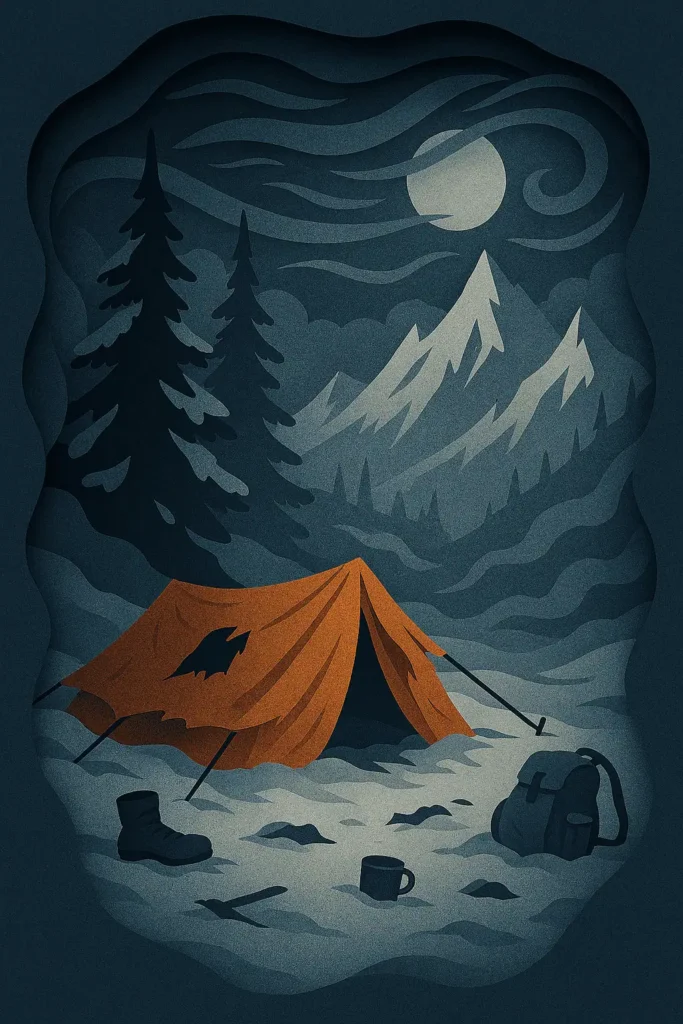
    February 1959, remote Ural Mountains in Russia. Nine experienced hikers flee their tent in the dead of night cutting it open from inside, barefoot in sub-zero temps.

    They die mysteriously: some from hypothermia, others with crushed skulls and missing eyes, but no footprints from attackers.

    Soviet investigations blamed an “unknown compelling force.” Theories? Avalanche, military tests, Yeti attack, infrasound panic?

    Recent studies point to a rare slab avalanche, but weird details like radioactive clothing and orange skin keep the conspiracy fires burning. It’s one of the creepiest outdoor mysteries ever.

    Honorable mentions go to the Bermuda Triangle’s endless disappearances, D.B. Cooper’s sky-high heist, and the Zodiac Killer’s taunting ciphers.

    What do you think? will we ever solve these? Drop your theories in the comments. If you’re into this stuff, share it around; who knows, maybe 2026 is the year one finally cracks!