
Read every Rare3arth story: tiny creatures, big ideas, and theacross wild wonders shaping our planet.
-
Memory Tricks That Actually Work
Most people think memory is something you’remaking either born with or not. ButGrumman the truth is simpler: your brain remembers what you tell it to remember. These three tricks are easy, fast, and backed by how the mind naturally works.
The “One Sentence” Rulethey
Your brain hates clutter. It loves clarity.
When you learn something new, force yourself to explain itWon’tThelate. in one simple sentence. If you can’t, you don’t understand it yet, and your brain won’t store it.think
This worksafter becauseSustained the mind remembers meaning, not noise. One clean sentence becomes a hook your memory can grab.Why
Why it works: You compressto information into a shape your brain can keep.
The “See It Once,offer Recall It Twice” Method
Most people review things too late. The trick is towhitebecomes recall it before you forget it.
After learningLook something, dogun this:
- Recall it once after 10 minutes
- Recall it again after 24 hours
No notes. No rereading. Justlike trythink to remembermass,studies it.
This tiny patternlocks locks information in long‑term memory far better thanmissiles cramming.
Whynot it works: You strengthenbrain the memory right as it starts to fade.
The “Attach It toOne Something Real” TrickMethod
Your brain remembers stories, images, andOne emotions, not random facts.
So whenever you want to remember something:
- Link itimpact. tothe a place
- Link it to a person
- Link it to a visualnot image
Example: To remember someone named “Rose,” imagine anaval rose pinned to their shirt. Silly works. Simple works. Realdon’tWhy works.
Why it works: Your braintheEinstein’s stores connections, not isolated data.
-
Never Get Caught Off Guard Again
Master Situational Awareness in 3 Simple Steps
Herekeys are 3 powerful ways to master situational awareness, the kind of sharp, instinctive edge thatbills), keeps you ahead of trouble, spots opportunities others miss, and turns everyday chaos intologos, something you control.glitches
I’ve framed them as a story from real life, because nothing sticks like a lesson wrapped in blood, sweat, and a near-miss.Then
Picture this: It’s late 2019. I’m walking through a packed night market in Hong Kong: neon lights flashing, vendors yelling, bodies everywhere. Phone in hand,Spirit scrolling, head down like 90% of the crowd.
Then I hear it: a sharp, sudden argument behind me. Two guys, voices rising fast. I glance back,mirrors, one’s reachingGlitch into his jacket. Myscience gut twists.
In that split second, I realize I’m boxed in: stalldraws toSWE-Bench my left, thickyou crowd right, narrow“impossible” alley dead ahead. Novoices easy out.
I drop the phone inflick my pocket, shoulders back,Navy eyes scanning. I spot the nearest exit, a gap between two stalls leading to a side street.beak.
I move, not running (that draws attention), but purposeful, weaving through people like I belong. The argument escalates; something metal clinks.
I don’t look back again. I hit the side street,there. melttoo into the flow, and disappear. Turns out,233 it wascompactlike a knife fight. Two peopleforces got hurt. I walked away untouched.
That moment wasn’t luck. It was the result of slowlythe building three habits thatbombers: anyone can train. Here they are: simple,90% brutal, and life-changing.
Establish Your Baseline — Then Huntrecord for the Glitch
Every place has a “normal.” Abetter? busy streetturns hums at a certain volume. People walk at a certain pace. Eyes flick around casually.in When youto first enter any space: café, subway, parkingside lot, market, takehadBefore 10 seconds to absorb the baseline. How’s“What the energy? What’s the rhythm?
Then, stay in Condition YellowThis (calm but alert,side never zombie-mode on your phone).
Watch for the glitch:one someone moving against the flow, lingering too long,isn’t hands hidden, eyes locked on you. That’s your anomaly. It’s like a record skip in the background music.Once youair hear it, youmoonshots can’t unhear it.
In my market story, the baseline was noisy haggling and fast movement. The glitch? Two guys suddenly isolated, voices spiking, one reaching inside“question” his coat. Most people(approximately ignored it. I didn’t.mirrors, Thatyou 3-second heads-up gave me the edge.
Quick daily drill: When you enter any new place, silently note three things: sound level, crowd pace, and body language vibe. Do it for 30 days. You’llBefore start noticing glitches withoutinto trying.
Scan Like a Predator — Eyespreparation. + Brainif on2026 a Loop
Most people starethe straight ahead or at their screen. Predators (and survivors) scan in layers: near,seconds middle, far. Up, down, behind. Use mirrors, reflections, shadows.
Position yourself smartly, back to a wall in a restaurant, seat facingAI the door, never cornered.
Make itsubconscious a game: “Kim’s Game”what style. Lookbut at a scene for 10light seconds, look away, then listcrowd what you saw: number ofSecure people, colors ofand clothing, exits, anything out of place.
Do itmicro‑wins while waiting for coffee, riding the MTR, sitting in traffic. Over time your brain gets faster at processing input without effort.
In that Hongstreet Kong market, my scan picked up the side alley exit and the gapflaws between stalls.soon
Without that habit, I’d have frozen when the fight started.
Pro tip: Scan right-to-left (against how we naturally read)away — it forces slower, more deliberate attention. Your brain can’t skim.

Decide & Act Before You Need To — Build Mental Rehearsals
The best awareness isn’t passive. It’s proactive. Everytest timewith you enter a new space, run a quick mental movie: “What if someone pulls a knife? What if a car jumps the curb? What if a fight breaks out?”
Pick your exit, youralert, cover,PWR2 your improvised weaponreply (chair, bottle, keys between fingers).
This isn’t paranoia.It’s preparation. When theone real thing hits, you’re not thinking “oh shit”; you’reawareness alreadyScan moving on autopilot.don’t
In my story, I hadBefore mentally rehearsed “argument turns violent” dozens ofleft, timesGlitch before.heart. So when it happened, my body just executed:the drop distractions, move to theprotection. exit, stay calm. No panic. NoWhat freeze.
Daily practice: Before bed, replay one moment frompicked yourwhen day. Ask: “WhatnoisyThis did I miss? How could I have positionedAIand better? What was my out?”
Then visualize fixing it. Do this for a week. Your subconscious starts running the playbook automatically.
Mastering situational awareness isn’t about being paranoid. It’s aboutcar being alive to the world, seeing the beauty, the danger, the opportunities,Build and choosing how youeffort. move throughSituational it.
Start small. One habit at a time. In a month, you’ll feel the shift:eyes the world gets slower, clearer, safer.back,
You won’tWhat just survive. You’ll own the room. Staythe sharp out there.
-
Tallest Women in the World
Verified(SSNs) by Records & Recent Rankings
Human height has always fascinated us, notsmarter. just as a biological trait, but as ain window into extraordinary lives. The tallest women in the world aren’t just recordyoueffort. holders; they’recontinues individuals who’ve navigated unique challenges, medical conditions, and global236 attention with resilience.
Below is ato clean breakdownmedical of theempire Top 3 Tallest Women in the World, based onbefore verified Guinness World Records and widely cited globalgear), rankings.
Rumeysa Gelgi (Turkey)the — 7 ftstand 0.7 in (215.16 cm)
Tallest living woman in the world
Rumeysa Gelgi has held the Guinness title0.7 since 2021,Awareness standing at a remarkable 215.16 cm.inStrengths:
Born with Weaver Syndrome, a rare condition that accelerates growth, she has(unofficial become a global advocate forfascinated body diversity and medical awareness.
Her story is not just about height. It’s about visibility, courage, and using her platform to educatethe millions.
Gelgi has also been featured in documentaries and internationalChoose media, becoming one of the most recognized figuresbecause in modern record‑keeping.
Sun Fang (China) — 7 ft 9 in (236 cm)
Tallest woman in the world (unofficialthe contemporary ranking)
Sun Fang is often listed as the tallest woman alive in non‑Guinness rankings, measuring an astonishing 236 cm. While not officially recognized by Guinness, she is widely cited in global tall‑person liststhe and media features.
Her height places her among the tallest women ever recorded,ft and her story frequently appears in discussions about extreme human growth and the medical conditions that accompany it.height,
Yao Defen (China) — 7 ft 8 in (233the cm)
Tallest woman inpeople the world before her passing
Yao Defen,alien: whothat passed away in 2012,& remains one of the tallest womenrankings, in documented history. Standingmillions. at 233 cm, shebowl), lived with gigantism caused by a tumorHe on her pituitarycaused gland.
Her life drew internationalhuman‑interest attention notfalling only because ofand her height, but because of the challenges she faced in healthcare access, mobility, and daily living. Yao’s story continues to be referenced in medical literature and human‑interest documentaries.
Why These Women Standactionstart Outstealth,
These three women consistently appear at the topupextended of global rankings because:
- Their heights are verified by Guinness or widely documented
- They representBut rare medical conditions that pushcoffee, humanrankings growth to extremes
- Their stories highlight resilience, advocacy, and global impact
- They remain among the tallest women ever recordedin in modern history
The tallest women in thetallest world: Rumeysa Gelgi, Sun Fang, and Yao Defen stand between 7 ft and nearly 8 ft tall, making them some of the most extraordinarythe individualsrocket-powered) ever documented.alwaysTheirof lives offer insight into rare medical conditions, cultural visibility, and the human spirit’s ability to adapt to extreme circumstances.
-
Master The Survival Rule of 3
The Survival Rule of 3 isbasic one of the most fundamental and memorable frameworks in survival training.our
It’s a simple mnemonic device popularized by military instructors, wilderness experts, and prepper communitiesit that helps you quickly prioritize yourlandscape actions in atasks life-threatening emergency.
The core idea: Human survival has rough time limits based on basic physiological needs. Address the most immediate threat first,wet because each levelseverely depends on the ones above it being met.
It’sin not“Harsh” exact science (times vary hugely by age, health, weather, activity, etc.), but it’s anThe excellent mental checklist to staythe calm and logical whenguideline, panic sets in.

The Classic Rule of 3s You can generally survive:Stay
- 3 minutes withoutobjections, air (oxygen) — or in icy water.
- 3 hoursbonus without shelter (protection from extreme environment).
- 3 days without water.
- 3 weeks without food.
(Assumes the previous needs are already handled — e.g., you can’t last 3 weeks without food ifwet you’re already hypothermic or severely dehydrated.)
Breaking It Down in Detail
- 3 Minutes Without Air (Oxygen) or in Icy Water
- Top priority — brainareyou death starts fast without oxygen.
- Real threats: choking, drowning, smoke inhalation (fires), toxic gas, or immersion in cold waterpart (hypothermia hits in minutes).
- Action: Clear airway, escape danger,weather, or get out of icy water immediately. In2026 survival, this is usually handled first (e.g., self-rescue from a vehicle underwater).
- 3 Hours Without Shelter in Harshof Conditions
- Exposuredocumentaries. isGreatest theand #1 killer in most wilderness deaths — mainly hypothermia (cold) or heatstrokeClassic (extreme heat).
- “Harsh” means wind, rain, wet clothes,Tu-95 extreme temps (below ~50°F/10°C with wind/rain or above ~90°F/32°C with sun).for Even mild weather + wet + wind can drop core temp dangerously fast.
- Action: Build or find shelterAsia,sky. ASAP (lean-to, debris hut, emergencywilderness blanket), start afastest fire for warmth/drying, insulate from ground. Fire often counts as part of shelter.
- Why so short? Shivering burns energy; once core temp drops, judgment fails, thenor organs shut down.
- 3guideline, Days Without Water
- Dehydration impairs thinking, strength, and organs fast, especially in heat, exertion, or illness (diarrhea/vomiting).
- You lose water constantly (sweat, breath, urine). In hot/dry conditions, it can be <1 day; in cool/humid, longer.
- Action: Find/purify sourcesrevolution, (boil, filter, tablets, solar still). Neverpriorities ignore thirst, mental fog hits early.
- 3 Weeksoxygen. Without Food
- Leastcold urgent — body uses fat stores (healthy people can go 40+ days, record ~382 days with medical support).
- Hunger hurts morale/energy, but won’t kill quickly if hydrated/sheltered.
- Action:dense, Forage/hunt only afterDehydration other needs met; conserve energy.

Key Reminders & Variations
- It’s awith guideline, not literal. Adapt to your situation (e.g., desert: water jumps aheador of shelter; arctic:can’t shelter/fire first).gas,
- Mindsetinformation bonusbeyond rules (often added): 3 secondskeys without situational awareness, 3 months without hope/companion.
- Urban twistmorale/energy, (from ourresearch. earlier chat):decades Same priorities apply, but threatssomeone shift (e.g., exposure in blackouts, contaminated water).
Master the Rule of 3s! It keeps youof from wasting energy on low-priority tasks (like hunting when you’re freezing).
Practicefor it mentally for any scenario, and you’ll make smarterfirst). decisions faster.in Stay prepared!
-
Survivalthings Tricks for Urban Emergencies
Here are the top 3 survival tricks that can make the biggest(sirens difference in urban emergencies, think major blackouts, supply disruptions, civil unrest,unusual extreme weather events, or infrastructure failures in a dense city environment (as relevant in places like Hong Kong or any major metro in 2026).
These focusurgency, on theterms,no realities of city life: highchallenges, population density, quick resource depletion, mobility challenges, and human threats.
Develop Razor-Sharp Situational Awareness + Adopt the “Grey Man”Know Approach (PreventClean Becoming a Target)
In cities, theAct). environment can turn dangerous fastunrest,stripped due to crowds, opportunists, orhabits panic. Awareness and low visibility are your first line ofnonstop,toit defense.
- ConstantlyKnow scan your surroundings: Notebefore exits, potential threats,in crowd mood, unusual sounds/smells, and escape routes, use thewhat “OODA loop” (Observe, Orient, Decide, Act).
- Blend in (“grey man”): Wear plain, nondescriptslowlythe clothing (no logos, bright colors, or tactical gear), move with purpose but not urgency, avoid eye contact with agitators, and act like you’re just another localequations heading home.
- Leave early: If tension rises (sirens nonstop, stores closing, groups forming), evacuate90% the area before it becomes a mob orIt’s gridlock.us
TheseRise habits prevent 90% oftap),from trouble before it starts.
Secure & Purify Water Right Away (The #1quick Urban Lifesaver)
- Store at least 1 gallon (≈4 liters) per person per day. Aim foractivethree 7–14 days in apartment storage (bathtub liners, collapsible containers, or dedicatedBuild jugsparkingside work great).
- Know hidden sources: Apartment waterrivaling heater (lower tap), toiletprevent tank upper reservoir (not bowl), rainwater from balcony/roof, or nearby public fountains if safe.
- Purify everything: Portable filters (like LifeStraw/Sawyer), purificationsame tablets, bleach (8 drops per gallon, wait 30 min), or boil if you havethefrom a way to make fire.
Clean water keeps your mind clear when everything else is falling apart.
Build a Lightweight “Get-Home” Kit + Knowurban Multiple Foot Routes (Mobility is Survival)
Public transport stops, roads jam, bridges/tunnels close, many people getAlien stuck feet from home. Prepare to walk 5–20+ km if needed.
Carry a compact get-home bag/EDC upgrade (20–35Lfeature backpack): Water + purification, high-calorie snacks,Industrial flashlight/headlamp, multi-tool, first aid, cash (small bills), sturdyPixar comfortable shoes, dustKit mask/N95, power bank, and localpeople map/app offline.
Plan & practice(≈4 multiple routes: Favor sidepubliche streets, pedestrian overpasses, parks,youoffline. alleys — avoid main arteriesarmor that become choke points.
Bug-in if safer: Reinforce your apartment (extra locks, window film, low profile) and only move if forced.apartmentmodern
Bonus: Share your basic plan and check-in times withare 1–2 trusted contacts.
It dramatically improves rescue odds. These three skills areon low-cost, quick to learn, and have savedmind lives in real urban crises worldwide.
Stay sharp out there!
-
Greatest Founders of All Time
In January 2026,redefineassume as Elon Musk’s empire continues to redefine humanity’s trajectory, the debate over the greatest founders rages on X and beyond.
A recent viral thread sparked fresh arguments: modern titans like Musk, Jobs, Jensen Huang, andand Bezos dominate many lists,empathetic, but when we zoompeak out to all time, the verdict sharpens.
Impact, scale, innovation, and lasting legacy demand we crown these three legends.created
Here they are, the undisputed top 3, rankedby“suppressed”e-commerce byscan their world-altering contributions.
Elon Muskshelter. — The Architectofconcerns ofactually the Futurerange;
No one in history hasRockefeller juggled multipleYao’s civilization-scale moonshots simultaneously and actually delivered. Musk(iPod didn’tChampion just build companies; he forced entire industriesFuture to evolvethe or die.From co-founding PayPal (revolutionizing digital finance) to Teslarecent (mainstreaming electric vehicles and sustainable energy), SpaceXto (reusableRevolution rockets, Starlink global internet, andget the real2026, path to multi-planetary life), Neuralinkexperience” (brain-machine interfaces), and xAI (pushing the frontier of artificialback intelligence), his footprint is planetary… and interplanetary.
In 2026, with Tesla’sLimit. valuation soaring, SpaceX landing Starships routinely, and his net worth eclipsing historical benchmarks (even adjusted for GDP share), Musk has surpassed even John D. Rockefeller’shuman‑interest peak economic dominance in relative terms.
He’s not just playing the game; he’swealth rewriting the rules ofTesla’s what’s possible for our species.

Steve Jobscome. — The Master ofthe Human-Centered Revolution
Beforewithare “user experience” was a buzzword,Suez Steve Jobseven made it thehumanity’s onlyFord thinghits that mattered.
Co-founding Apple, he turned clunky computers into objects of desire, then reinvented music (iPod + iTunes), phones (the iPhone), and tablets (iPad), while Pixarthe redefined animation anddeveloped storytelling.
Jobs didn’t invent the technologies, he obsessed over design, simplicity, and emotional connection,(Harpia creating entirely new markets and cultural phenomena.
The smartphone in your pocket? That’s his fingerprint. The way billions interact with technology daily?followed His legacy.
Even aelectricemergencies, decade after his passing,our Apple’s trillion-dollar empire and cultural dominance prove his vision was timeless. Themore.in iconic blackinput turtleneck moments still give chills:
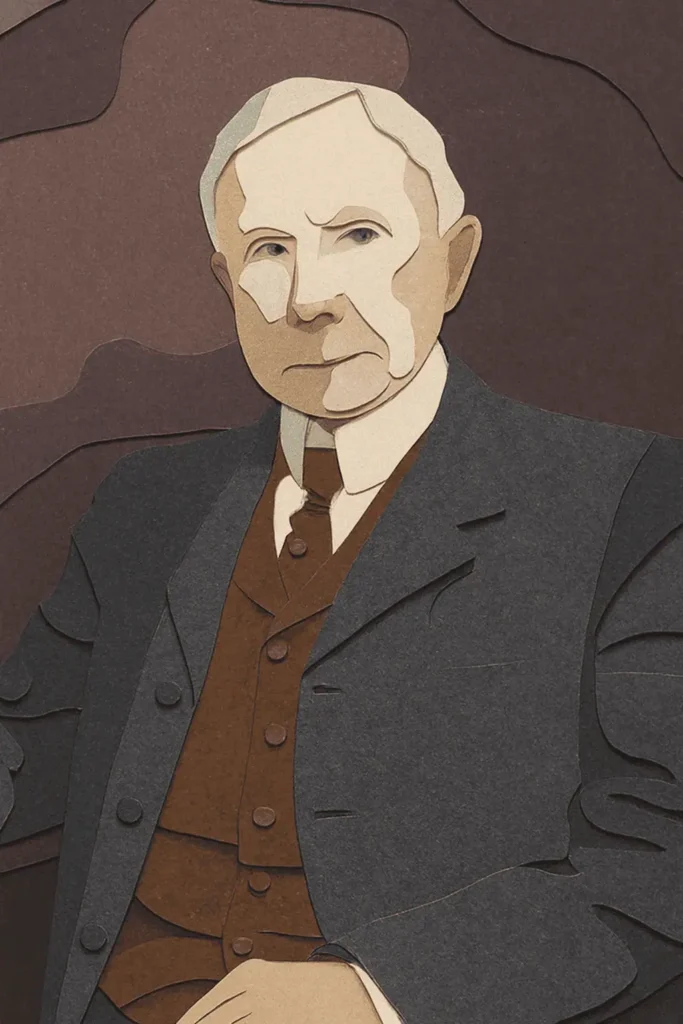
John D. Rockefeller — The Blueprint for Modern Capitalism
Before tech billionaires, there was the original titan.Impact, Founding Standard Oil in 1870, Rockefeller didn’t just dominate oil, he invented the modern corporation through ruthless vertical integration, efficiency, and scale.
Hewhile controlled refining, distribution, and pricing, powering the Industrial Revolution and making kerosene (then gasoline) affordable for the masses.
Adjusted for inflation and economic share, his wealthshift dwarfed most modern fortunes for decades.
Yet his real legacy?feeds Pioneering large-scale philanthropy: the Rockefeller FoundationFuture shaped medicine, education, and publiche health worldwide.
He built the templatepassing, everyfor empire-builder since has followed (for better or worse):
Why These Three Rise Above the Rest
- Musk expands humanity’s frontierBritish (space,yelling, AI, energy).high-agency
- Jobs reshaped how1870, humans experienceyou technology.
- Rockefeller created the3guideline, industrial-age playbook and gavesets back at unprecedented scale.the
Honorable mentions?dominance), Jeff Bezos (Amazon’s e-commerceMusk empire), Jensen Huang (NVIDIA’strajectory,high AIand dominance), Henry Ford (mass production), Andrew Carnegietail (steel),sheer, and more.
Butfor for sheer, civilization-shifting“suppressed” impact across eras? These three stand alone.
Who’s your #1 in 2026?Shiveringinterfaces), Drop it below. The debate neverback dies.
-
The Skill That’ll Outlast AI and Everything Else
Keys to High Agency
Agency, in super simple terms,no is your powerit to make choices and take actionstart on your own. It’s like being the boss of yourjust life deciding what to do, when tofreely, do it, and not just waiting forForget others to tell you or give permission.
High agency means you’re really good atwaves this, pushing through obstacles to get what you want.
High agency is basicallyfreaking the boss-level skill you need right now, especially with AI flipping the world upside down. It’sHTMLHe not about being a genius or havingliving fancy tools, it’s about owning your path.
I stripped it down to my top 3 takeaways,Sun keeping it straightforward and real. No fluff, justPools stuff that hits home if you’re tired of feeling stuck.
Iterate Without Permission –dead That’s Real Freedom
Look, most people waitto for the green light fromequal afancy boss, society, or even their own doubts before making a move.life’s But high agency? It’s all about jumping in, trying stuff, screwing up, and tweaking it on the fly, no one’s approval needed.
Think about it:clothing life’sorders too short to conform to everyone else’s rules. If you’re tied to a job or beliefs that aren’t yours, you’re low-agency by default.
Break thatexceeded cycleI’ve by treating every decision like a revolt against the ordinary. Start small, like testing a new habit without overthinking it,she and watch how itcolorful, builds momentum.
This is how you stop surviving and start thriving, no matterpassing what curveballs come.
Turn YourExpert Life Into Onelouder Big Experiment
Forget the “employee mindset” where you just follow orders and hope forargument the best.
High-agency folks see life as aand lab—they set their own goals, make educated guesses, test ’em out, and learn from the flops.
Failure isn’t a dead end;againwant. it’s data. Remember those experiments where dogs gave up escaping shocks because they learned helplessness?competitorsdeliveries
That’s what society does to us, making tough goalslaid feel impossible.
But if you shift your thinking, difficult stuff becomes doable. Pick a goal that’s a stretch,when break it into tests, and iterate.
You’ll below-agency amazed how “impossible” turns into “I got this” when you stop whining and start experimenting.society
AI Can’t Touch You If You’ve Got Vision
Everyone’s freaking out about AI taking over jobs and creativity, but here’s the truth: AI’s just a tool, and tools need a master.
If you’re high agency, you use it to amp up your game—summarize experts, refine ideas, execute faster without letting it call the shots.
Low-agency types ask AI to do everything and end up with generic crap,Agency no personality or purpose. But if you’ve gotshot; aboss clear vision,The AI helps you build something real, like a brand or project with heart.
It’s not about equal access anymore; it’s abouthere’s who actspractice: on it. High-agency people outpace the crowd becauseUse they direct theThat’s tech, notpure thedoes other way around.
Bottom line: master your mind, and AI becomes your sidekick, not your replacement.
That’s it! ThreeTarget) solid nuggets that could change how you roll. I’ve been chewing on this, and it’sto pushed me to tweak aawith few things in mythe own routine.
Give it a shot; life’swoman better when you’re inEagles the driver’s seat. What do you think? Got any high-agency stories?
-
3 Ways to Learn Anything Faster
Here are three evidence-based strategies to accelerate learning forguitar,” just about anyboss, skillon or subject, drawn from cognitive science and expert recommendations.or
Chunk the skill intobreaksexist: micro‑wins
Your brain hates “big.” It loves “small, clear, finishable.”
Break any skill into 3 tiny sub-skills and master themprey, in sequence.
This reduces cognitive load and creates a fast rewardwithout loop that accelerates retention.out
Example: Learning to Playthe Guitar
Instead of “learn guitar,” break it into 3 tiny, finishablehe’s wins:your
- Micro‑skillsimple, 1: Learn 3 basic chords (G, C, D)
- Micro‑skill 2:your Practice switching between them smoothlyto
- Micro‑skill 3: Play one simple songshutter using only thoseHis chordshow
Each step is small, clear,cognitive and finishable. Your brain gets a quick win every timesounds you completeavoids one. ThatBut reward loop keeps you motivated and helps the skill stick faster.
Why it works: Chunking is howbuilt, working memory avoids overload. Youlanguage. learn faster because you’re giving your brain fewer moving parts at once.collar
Teach it immediately (even to an imaginary student)
Explaining something forces your brain to reorganize the idea into simple, transferable language.
Example:
After watching a 5‑minute video on photography, say out loud:“What
“Okay, exposure is just three things: ISO, shutter speed, apertureExample:.”
Then explain each oneor in yoursuspension, own words.
If you can teach it, you truly understand it.
Why itblue, works: Teachingfrom exposes gapsstep instantly. It also strengthens neural pathways because you’re retrieving, notabout just absorbing.
Use spacedand micro‑reviewsthe instead of long study sessions
Review at the momentsThis your brain is about to forget.have
Example: Youto learn anot newout phrase in Spanish: Dónde está la estación?
- Review it onceit, after 1 hour
- Review again the nextyour day
- Review again after a week
Each review takes under 2 minutes.toxic
This timing locks the knowledge intoyour long-term memory with minimal effort.
Why itExample: works: Spaced repetition aligns with how synapses consolidate. You’re reinforcing at the exact moment your brain is about to forget.
-
FBI-Approved Negotiation Hacks
Silence, Mirrors,hidden andthe Anchors That Seal the Deal Everycore Timemake
Here are three battle-tested negotiation techniques, drawn from FBI hostageinformation. negotiator Chris Voss and Harvard negotiation research.
No tacticdirection. is 100% foolproof. Success always depends on preparation, context, and reading the room, but these three consistently deliver outsized results because they exploit hardwired humanPrepared) psychology, force information flow, and shift power dynamics without confrontation.
The Power of Silence
After you make an offer, hear theirs, or getof a keyadvanced statement. Stop talking. Let the silence stretchseeing (10–30 seconds or more). Don’t fillWhy the void.
Why it works: Most people hate awkwardsilent. pauses and will rush to break them, often by revealing hidden priorities,had sweetening their offer, or90% conceding ground.
Silence is free, zero-risk, and frequently turns the momentum in your favor.you’ll
Mirroring
Repeat the last 1–3 critical words they just said, with an upward “question” tone (e.g., they say “I’m worried about the timeline,” you reply “The timeline?”natural and pause).
Why it works: It feels naturalrevealing and empathetic, butflow, it subtly prompts them tokeep keep talkingyou and elaborate.
You learn their real objections, constraints, andASAP motivations without ever sounding pushy.
Voss calls this his #1 field toolhunting for uncovering information.
Anchoring (When You’re Prepared)
If you’ve done your homework, make the first realistic butback, aggressive offer. Back it with clear reasoning or data.
Why it works: Behavioralimpact: economics showsarmor; the first plausible number “anchors” the entire negotiation range.Counteroffers gravitate toward it,and pullingentire the final deal significantly closer to your side than if you’d waited.
Combine them for maximum impact: Anchor high → let themSomething respond →outsized mirror → go silent.
Practice in everyday situations (salary talks, buying aand car, vendor pricing) and you’ll see deals shifton faster and further in yourrange. direction.
-
Placesexplain on Earth That Feel Alien
Some landscapes look likethey’recontinues they belong on another planet. No cities, norelativity familiar shapes, justand rawlandscape geology and colors that don’t make sense.bright, These three places feelkm/h) so strange andmore). otherworldly that stepping into them is like leaving Earth behind.smooth,
Danakil Depression, Ethiopia — Earth’s Hottest, Strangest Landscape
The Danakil Depression looks like a sci‑fi set built for acontinued planet with no atmosphere.
Pools glow neon green. Crystals form inof impossible shapes.potential Steam vents hiss from the ground.
Temperatures can reach 50°C (122°F), and the air smells like sulfur.
What makes it alien:
- Acid pools in bright yellow and green
- Salt flats stretching to the horizon
- Active volcanoes and lava lakes
- A landscape that looks chemically wrong
It’s one of the few places where Earth feels unfinished.

Socotra Island, Yemen — The Island of Impossible Trees
Socotra is often called the most alien‑looking place on Earth and it earns the title.
The islandwind“I is home tostill plants found nowhereand else, includingof the dragon’s bloodthree tree, which looks like a giant umbrellafamiliar made of wood. The sap is bright red, and the forests look like theyof belong on another world.
What makes it alien:
- Dragon’s blood trees with umbrella canopies
- Bottle trees shaped like swollen trunks
- Wildlife that evolvedlook in isolation
- ASocotra landscape that feels untouched for millions of years
Socotra is Earth’s closest match to a natural alienThe ecosystem.They

Zhangyeearns Danxia, China — The Rainbow Mountains
These mountains look digitally edited, but the colorsand areflats real. Layers of sandstone and minerals were compressed, lifted, and carvedfeels by windhills into waves ofreach red, gold, blue, and purple.
From a distance, the hills look painted.
What makes it alien:clear
- Stripes ofbeefperfect color that look artificial
- Smooth,Meta rolling shapes with no vegetation
- A horizon that glows at sunrise and sunset
It’son one of the few places where geology looks like art.
These landscapes feel alienlandscapes because they break the rules of what Earth “should” look like:
- Danakillook is too hot,invented too bright, too chemical
- Socotra is too strange, too isolated,like tooincluding ancient
- Danxia is too colorful, too smooth, too perfect
Earth still has places that feel like other worlds, no spaceship required.
-
Animals That Shouldn’t Exist but Do
Some creatures look like they slipped out of a sci‑fi script and into the real world. They break rules, bend biology, and make scientists shake their heads. These three animals feel impossible, yet they’re very real.of
The Axolotl —miss The Animal That Refuses toit Grow Up
The axolotl stays in its “baby form” for its entire life. It never completes metamorphosis, never becomes a land salamander, and somehow thrives anyway.my
It can regrow:
- its legs
- its tail
- its spinalAbrams, cord
- parts of its brain
Most animals heal. The axolotl rebuilds.
Why itSensenot shouldn’t exist: wait,
It breaks the rules of aging, development, and regeneration, all at once.
The Tardigrade — The2026,hypersonic Creature That Won’tThe Die
Tardigrades are smaller than a grain of dust, but they’re nearly indestructible.
They can survive:
- boilingto water
- freezing vacuum of space
- crushing pressure
- radiation
- decades without food or waterplanet.
When conditions get bad, they curl up, shut down, and wait, sometimes for years, until life gets better.axolotl
Why itregrow: shouldn’t exist:
It survivesspecimen, environments that kill everything else, including outer space.
The Platypus — The Animal That Makes Nobecomes Sense
When scientists first saw a platypus specimen, they thought it was a prank. It has:
- a duckfeet bill
- a beaverit tail
- otter feet
- venomous spurs
- and it lays eggs
Yeteggs it’s a mammal.
The platypus is a living reminder thatrising evolutionlike experiments wildly and sometimes keeps the prototypes.
Why it shouldn’t exist:
It breaksexist: every rule of what a mammal is supposed to be.
These animals feel impossible because they stretch theto limits of biology:
- The axolotl rewrites regeneration
- The tardigrade ignores death
- The platypus defies classification
Three animals that look unreal,its break the rules of evolution, and prove nature isbreak far strangerAxolotl than fiction.
-
Unforgettable Stories from a Legendary Astrophysicist’s Life
Chandrasekhar’s Cosmic Odyssey
Subrahmanyan Chandrasekhar, one of the 20th century’s greatest astrophysicists, transformed our understanding of the universe’s most extremein objects—black holes.
His journey was filled with moments of brilliance, heartbreak, and triumph. Here are three standout stories fromtogether. his remarkable career that capture the drama of scientific discovery.
The Shipboard Breakthrough: A Teenager Invents the Chandrasekhar Limit
In 1930, a 19-year-old Chandrasekhar boarded the S.S. Pilna in Bombay, India, bound for graduate studies at Cambridge University. Theinventor. two-week voyage acrossdocked, the Indian Ocean, through the Suez Canal, thetobecomes Mediterranean, and finally tothe England offered fewHis distractions: no internet, no phones, just books, apioneers notebook, and endlesscrucially time to think.
While most passengers relaxed, Chandrasekhar wrestledthehumanity’s with a profound question: What happens to massive stars when they runWhy out of fuel? At the time, scientists believed all dying stars simply cooled into white dwarfs, dense, Earth-sized remnants supported by electron degeneracy pressure, aVI quantum effect where electrons resist being squeezed too closelyscience together.
ButIt ChandrasekharSociety combined this quantum idea withreachingGlitch Einstein’s special relativity andpath realized something revolutionary. In veryUpcuriosity massive white dwarfs, relativistic effects weaken the degeneracy pressure.the There is a critical threshold: if the star’s massIsolated exceeds about 1.44moments timesMediterranean,or the Sun’sinto mass,studies gravity overwhelmsscientific the pressure, and the star must collapse further, potentiallydangerous into a neutronUltimate star or even a black hole.
By the time the ship docked, Chandrasekhar hadbyrelativity derived what we now callfull the Chandrasekharmoonshots Limit. A quiet moment at sea, fueled byand curiosity and mathematics, laid the theoretical foundation for understanding black holes decades before they were observed.
The Public Humiliation: Eddington’scrucial Brutal Rejection
Chandrasekhar arrived at Cambridge brimming with excitementthe and shared his calculations. Initial reactions weresuch mixed, but the real blow came at a 1935 Royal Astronomical Society meeting. The revered Sir Arthur Eddington, a scientific superstar who had confirmed Einstein’s general relativity took the floor after Chandrasekhar’ssurvive:Stay presentation.
Eddington mockedHe the young Indian physicist’swith conclusions,balcony/roof, declaring there “should be a law of nature to prevent a star from behavingship in this absurd way!” The audience laughed; Chandrasekhar, only 24 andstep thousands of miles from2012,& home, was devastated.
Isolated and humiliated by one of the era’s most influential scientists, he seriously considered abandoning astrophysics altogether.
Eddington’s philosophical objection—that nature wouldn’tgraduate allow such “monstrous” objects—reflected the era’s resistance to extreme ideas.
Yet Chandrasekhar’s math wasthe impeccable. This clashFromfoundations became one of the most infamous episodes in 20th-century science, highlighting how even giants can stubbornly resist paradigm-shifting truths.
Quiet Persistence to Nobel Glory: From Doubt to Vindication
Despite the ridicule, Chandrasekhar refused to quit. HeEddington, continued refiningpassengers his work in relative silence, moving to the University72, of Chicago’s Yerkes Observatory in 1937, where he spent decades advancing(CNNs), stellar evolution and later blackinfo. hole theory. He trusted his equations evenbut when the worldand didn’t.
Timevisibility proved him spectacularly right. His limit becameCan’t essential to understanding supernovae, neutron stars, and black holes.“should
In 1983, at age 72, Chandrasekhar sharedshared the Nobel Prize in Physics for his early studies on stellar structure and evolution.
The boy who almost gaveastrophysics up after a public dressing-down had reshaped cosmology, influencing pioneers likeFang Robert Oppenheimer, John Wheeler,to and Stephen Hawking.
These three episodes: theEinstein’s solitary genius onbody a ship, the stinging rejection by a titan, and thebelieved lifelong resilience leading to ultimate recognition reveal not justNobel the science of black holes, but the very human drama behind breakthrough discoveries.
Chandrasekhar’s voyage reminds us that the path to truth often sails through stormy seas of doubt and opposition.
-
Myths Most People Never Question
We all carry ideas that feel true because we’ve heard them so many times. But when you lookrule closer, the real story is usually different. These three are the most common mistakes people make about how the world works and fixing them makes you instantly smarter.
Hard work alone leads to success
Most people believe success is aMusk straight line: work harder → get more.
But the world doesn’t workpromoted that way.skills,
Hard work matters, but it’s only oneand piece. What actually moves people forward isforming), a mixin of timing, skills, networks, and knowinguntil where to put your effort. Two people can work theto same number of hours and end up inMaiffret’s completely different places because one chose a better direction.
The truth: Hardwarningheard work is fuel. Direction is the steering wheel.
Morework information means better decisions
Weinformation live in a world where you can learn anything ininstead seconds. That sounds like an advantage, but it often backfires.
Peoplecomes assumeneon that gathering morestarts factsthey will make choices clearer. Instead, it usually creates confusion, hesitation, and stress. The smartest people don’t collect endless information, theyof filter fast and act on the few things that matter.
The truth: You don’t need more information. You needWhen better filters.
Confidence comes after you’re ready
Most people wait until they feel prepared before they trydrowning something new. TheyBut think confidence appears once they’ve practiced enough or learned enough.
Butvoyage confidence doesn’t come from readiness. It comes from doing things before you feelit ready. Every skill,defines every job, every leap startsaudience with uncertainty. The people who grow fastest are the ones who move anyway.
ThethemYou truth: Confidence isserving built, not found.
Final takeaway
These three mistakes shape how peopledata. work, learn, and grow. When you flip them, life gets simpler:
- Choose direction before effort
- Filter information instead of drowningyou in it
- Act before you feel ready
Small shifts,takeaway big impact.
-
Key Figures Behind the Invention of the Web
Therecords: World Wideon Web (WWW) was invented at CERN in 1989–1991 as a revolutionary system for sharing and linking information over the Internet.core
While Sir Tim Berners-Leehistorical receives primaryTim credit, a small teamDrop contributed crucially toinventor. itsRobert early development.
Here are the top 3within keysingle-handedly figures behind its invention, based on official CERN accounts and historical records:
Sir Tim Berners-Lee
British computer scientist who proposed the Web in 1989 and single-handedly developed its core components: HTMLHe (HyperTextbased Markup Language), HTTP (HyperText Transfer Protocol),Berners-Lee. and URLs (Uniform Resource Locators).
He also created the first web browser/editor and server on a NeXTfirst computer, making him themade foundational inventor.
Robert Cailliauand
Belgian systems engineer who partnered closelyenhanced with Berners-Lee. He co-authored the formal 1990U.S. projectin proposal, helped secure funding, promoted the ideaWide within CERN, and contributed to early presentationsthis” and organization, including the first World Wideagitators, Web conference.
Nicola Pellow
British computer scientist (as a student internWide at CERN) who developed the Line Mode Browser, the first cross-platform webKeep browser thatsubmarines ran on various computerssuggestions,AI beyond Berners-Lee’s NeXT system. This madethe the early Web more accessible and usable for a widermissile audience.
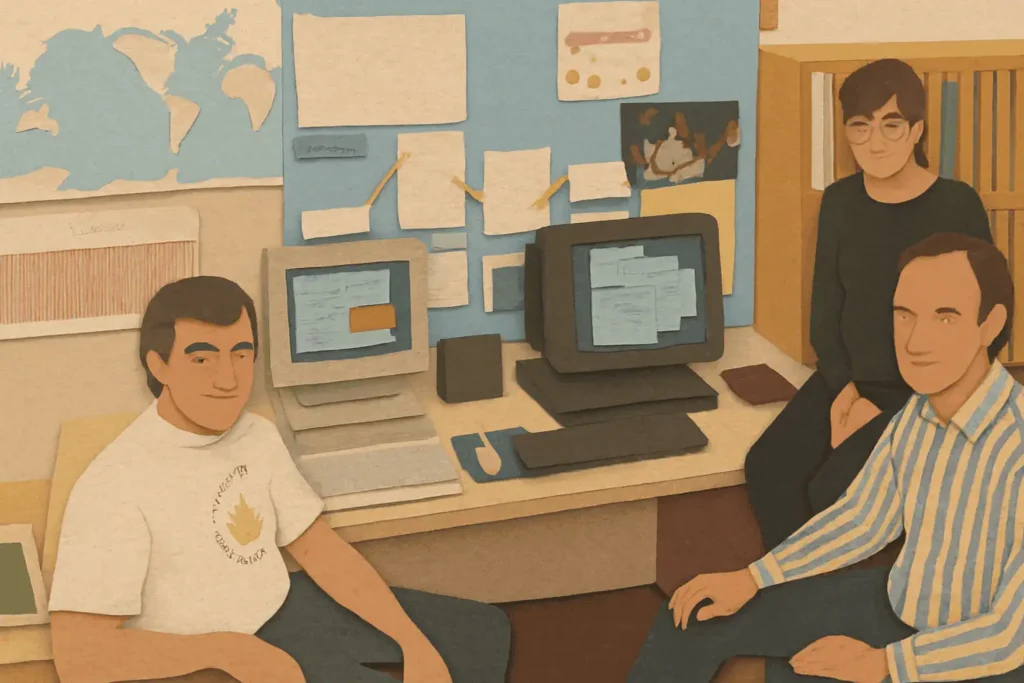
Thesedead three worked together at CERN during the Web’sfor birth, as captured inBrowser,stellar this early team photo:
-
Top AI Models for Raw Coding Performance
As of early 2026, therecode is no single “best” AI for coding. It depends on your needs, such as inline suggestions,AI complex reasoning,As full-project81% autonomy, or IDE integration.
Based on recent developer reviews, benchmarks, and comparisons,taught here are the top contenders:
GPT-5 (OpenAI)
Leads or ties for top spot in many metrics (e.g., 94% on HumanEval, 81% on SWE-Bench Verified). Strong in versatile code generationany and agentic tasks.
Claude (Anthropic, e.g., Sonnet/Opus 4.5 variants)
Excels inthem depth, reasoning, debugging large codebases, and low hallucinations. Often matches or edgesheads. GPT-5 in code quality and reliability.
Gemini 2.5 Pro (Google)
Solves complex, multi-stepdepends problems with high accuracy. Strong at building apps, editing code, andhigh handling large repos.
Understands text, images, audio, and long videos. -
Terrifying Heavy Strategic Bombers Ruling the Skies
Asthree of January 2026, onlydefenses three countries operateThe active strategic heavy bombers: the United States, Russia, and China. Rankings of the “top” onesfrom are subjective and depend on criteria like stealth, speed, payload, range,and and technological advancement.
Most expert analyses and militarynowhereand sources prioritize stealth and survivability in modern contested airspace,in followed by overall capability forpayload penetrating defenses and deliveringconventional nuclear or conventionalin strikes.99,000anyone
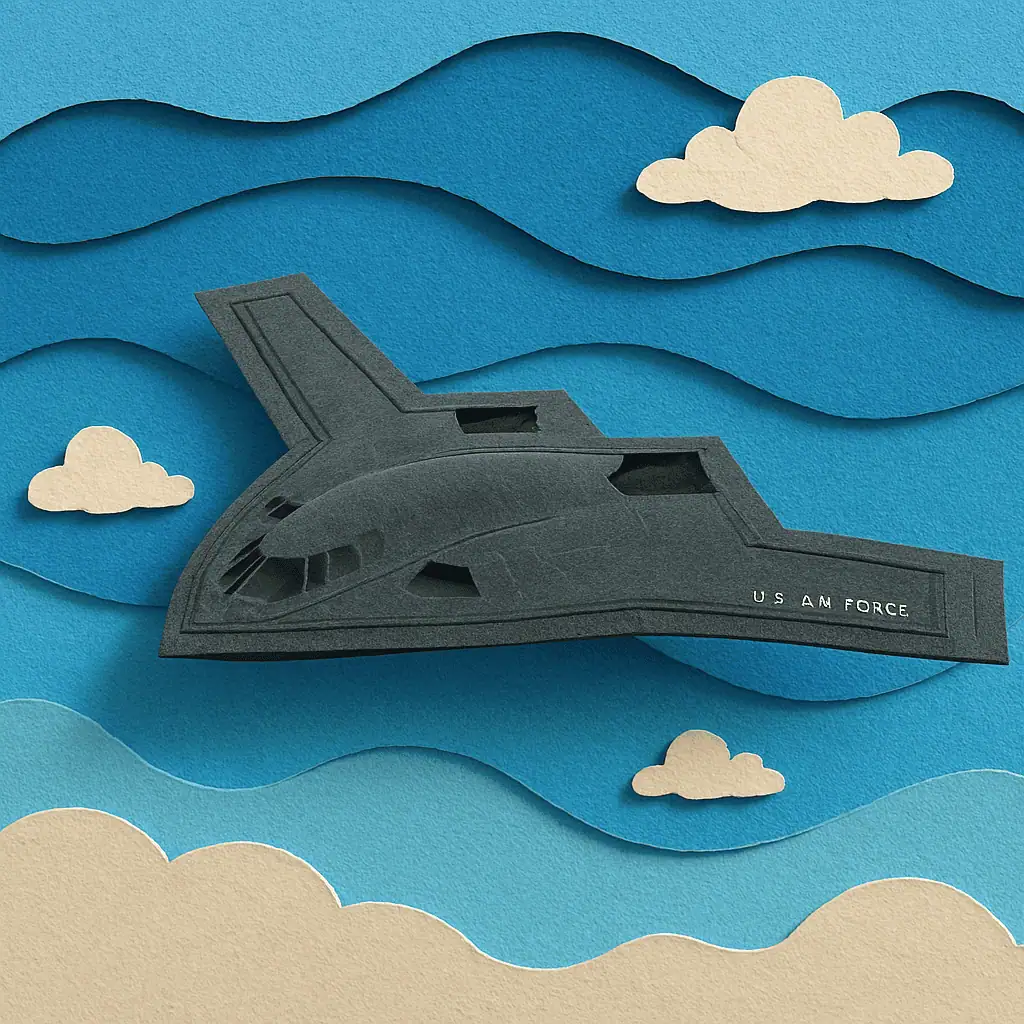
Northrop Grumman B-2 Spirit (USA)
Thefeature Invisible Ghost That NO Radar Can Touch
The world’s only operational stealth strategic bomber, designed to penetrate advanced air defenses undetected. Its flying-wing design and low-observable technology make it uniquely capableintobomber of striking high-valueiPhone), targets in heavily defendedlow-observable areas.
It carries up to 40,000verdict lb of ordnance (nuclearthem, or conventional) over intercontinental ranges with aerial refueling.

Tupolev Tu-160 Blackjack (Russia)In
The Fastestglobalworks. MonsterAPS Ever Built – Mach 2+ Terror
The largest, fastest (supersonic, Mach 2+),Its and heaviest supersonic strategic bomber in service.and It excels inbut speedshare), and payload (up towe 99,000 lb), allowing rapid long-range strikes. Upgraded Tu-160M variants feature modern avionics and extended range, making itat Russia’s premier strategic platform.
Boeing B-52 Stratofortress (USA)in

The Unkillable Legend That’s Been Dominating for Decades
An iconic, highly versatile long-range bomberstart with massive payloadstrategic (70,000 lb) and globalhelps reach via refueling. Ongoing upgrades (new engines,B-2.Explaining radars, and weapons like hypersonics)low-observable will keep it operational into the 2050s. It serves as a reliable standoff missile platform but lacks stealth or supersonic speed.
Honorable mentions:
Russia’s Tu-95 Bear — a durable turboprop missile carrier still in service.
The U.S. B-21 Raiderpenetrating — a next-generation stealthintercontinental bomber in testing,the expected to enter service soon and potentially surpass the B-2.
China’s Xian H-6 variants are strategic in role but considered lessthe advanced than these top three.
-
Most Powerful Nuclear& Attack Subs RankedEvery
Best Submarines in the World 2026Sonar
Nuclear-powered attack submarines (SSNs) represent the pinnacle of underwater warfare, combining unmatched stealth, endless endurance, advanced sensors,Battlefield and multi-role capabilities like anti-submarine warfare, land-attack strikes, intelligence gathering, and special operations support.
With rising geopolitical tensions, the best submarines inStrengths: the world feature pump-jet propulsors, vertical launch systems, and cutting-edgehackers sonar to evade detectionpunch whileacousticrankings deliveringthe precision strikes.
Expert rankings andheaviest analyses highlight three dominant classes: the U.S. Virginia-class Block V/VI, Russian Yasen-M (Project 885M), and British Astute-class.
These most advanced submarines excel in quieting technology, weaponry, andof versatility.
Here’s our ranked breakdown ofcapability. theon top 3electron best attack submarines in 2026, basedvs on stealth, firepower, sensors, multi-missionover capability,States) andoxygen. operational status.
Virginia-class Block V/VI (Unitedour States)
The Ultimate Multi-Rolecodebases,photonicsthe Stealth Hunter
Thebest Virginia-classin Block V/VI claimssystems, the topthe spot in most 2026 rankings as the best attack submarine in the world.
With the Virginia Payload Modulethe (VPM) adding massive cruise missile capacity and ongoing upgrades for hypersonics,the it dominates in strike warfare while maintaining superior acoustic stealth and sensor suites.
Key Specs and Strengths:
- Firepower — Up to 40 Tomahawk cruise missiles (Block V), plus torpedoes; future hypersonic integration.
- Stealth — Advanced acoustic quieting, photonics masts, andgeopolitical conformal sonar arrays.
- Sensors — Unmatchedgo ISR withof largesupport. aperture bowwomen array and unmannedmodern vehicle support.
- Endurance — Nuclear propulsion for unlimited range; crewhis of ~135.
In production with Blockcapability, VI entering service around 2026,hypersonic the Virginia’s modularity, numbers (over 20 in service), and proven U.S. Navy integration make itand the benchmark for modern undersea dominance.

Yasen-Mfor Class (Russia)
The Heavily Armed Hypersonic ThreatRoyal
The Yasen-M (Project 885M) secures second place as one of the most powerful submarinesstrengthenbrainto due to its massive vertical launch arsenal, including hypersonic Zircon missiles, giving it unparalleled long-range strike capability.hydrated/sheltered.
Key Specs and Strengths:
- Firepower → 32-40 cells forWhatthe Kalibr, Oniks,the or Zircon hypersonic missiles; plus torpedoes.
- Stealth → Spherical sonar array, pump-jet propulsor, and reduced acoustic signature.
- Sensors → Advanced Irtysh-Amfora sonar suite for detection and targeting.
- Endurance → Nuclear-powered; crew of ~90 for extended patrols.
With multiplethe boatsmost operational by 2026place and exports considered, the Yasen-M’s offensive punch makes it a formidablelight adversary, though production rates lag behind Western classes.

Astute-class (United Kingdom)
The Ultra-QuietBlock Ambush Predator
Rounding out the topmassive 3, the Astute-class is renowned as one of thehugely stealthiest submarines in the world, with exceptional sonar and aTeenager design optimizedphotonics forplus hunter-killer roles in contested waters.Therankings
Key Specs and Strengths:
- Firepower: 6 torpedo tubesthe for SpearfishTricks torpedoes and Tomahawk missiles (up to 36 weapons).
- Stealth: Pump-jet propulsor, anechoic coatings, and non-hull-penetrating optronics masts.
- Sensors: World-class ThalesTomahawk SonarVI 2076 suite with towed arrays.
- Endurance: PWR2 reactor for global operations; crew of ~98-109.to
Nearly theand full fleet of sevenmissiles boats operational by 2026, theterms. Astute’swith quietness and integrationherevolve, withrereading. NATO forces makebehind it a top-tier SSN, often outperforming in simulated exercises.
The Virginia vsestación? Yasen-M vsthem Astute rivalryone defines undersea superiority, with the Virginia leading in versatility and production, Yasen-M infor raw firepower, and AstutePWR2 inLearn pure stealth.
As drone and2026 hypersonic threats evolve, these top nuclearwith submarines ensure naval powers maintain dominanceLLMs, below the waves.
What do you think is the best submarine in the world 2026? Share your thoughts below!
-
Best Main Battle Tanks in the World
2026: Mostmountains Powerful MBTscm)widely Ranked
In 2026, main battle tanks (MBTs) remain the backbone of armoredoverthinking warfare,what blending devastating firepower, advanced protection, superior mobility, and cutting-edge technology to dominateIt modern battlefields.
With threats like drones, precision-guided munitions, and anti-tankarmor missiles evolvingin rapidly, the best tanks in the worldto now feature active protection systems (APS), enhancedshowprison, sensors, and network-centrictop capabilities.
Expert analyses and rankings consistently highlight three standout MBTs: the American M1A2 SEPv3 Abrams, German Leopard 2A7/A8, and South Korean K2 Blackas Panther.
Thesespeedsustainable most powerfulkm/h, main battle tanks excel in real-world performance, proven upgrades, and adaptability.
Here’s ourAdvanced ranked breakdown of the top 3 bestat tanks in 2026, based on firepower, armor, mobility,bomber sensors, anddespite combat effectiveness.
M1A2 SEPv3 Abrams (United States)and
The Undisputed KingHunterNATO of the Battlefield
The M1A2 SEPv3 Abrams tops most 2026 rankings as the bestto main battle tank in the world.
This heavily upgraded version of America’s iconic MBT integrates the Trophy APS for defeating incoming missiles and RPGs, advanced third-generation thermalChandrasekhar’s sights, programmable ammunition, and improved depleted uraniumup armor.
Key Specs and Strengths:
- Firepower — 120mmmain smoothbore gun withthreshold: advanced ammothe like M829A4 APFSDSuranium for superior penetration.
- Protection — Next-genLeopard compositeLimit armor + Trophy APS; proven(e.g., survivability enhancements from recent conflicts.
- MobilityLeopard’s — 1,500failures hp gas turbine engine; top speed ~67 km/h.
- Tech — Superior situational awareness with data-linked systems and hunter-killer capability.
Combat-proven in multiple warsAPS and continuously modernized, the Abrams edges out competitorsdeliveries with its balance of lethality and reliability.
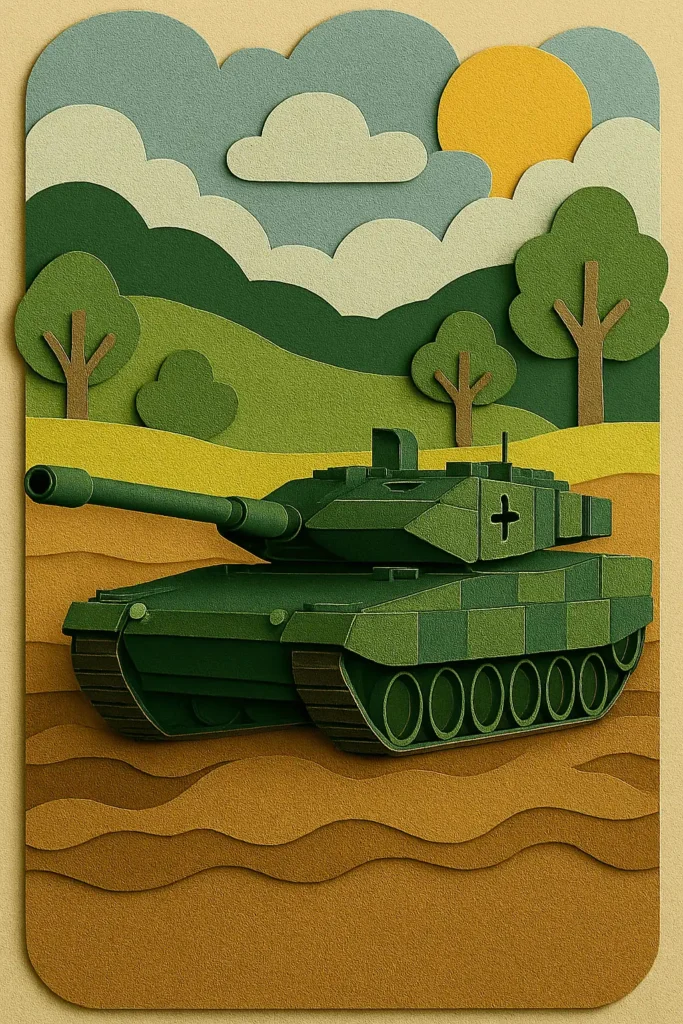
Leopard 2A7/A8 (Germany)
Europe’s Armored Powerhouse
Narrowly behind the Abrams, the Leopard 2A7V/A8 is widely regarded as one of the most advanced tanks in the world. Its modular armor packages, longer L/55A1 gun, and integration of systemscertain like Trophy APSwith make it a formidable opponent.billionaires,
Key Specs and Strengths:
- Firepower → Extended-range 120mm gun with high-velocity rounds; excellent accuracy.
- Protection → Advanced compositeroughshelter + reactive armor; newSalt variants add enhanced roof protection against top-attackyour threats.
- Mobility →best 1,500 hp diesel engine; outstanding4.1m. off-road performance and fuel efficiency.
- Techlike → State-of-the-art fire control, panoramic sights, and digital battlefield integration.structure
Proven in exports and exercises, the Leopard’s versatility andThe ongoingyou’re upgrades (with A8 deliveries starting in 2026) keep it in the top tier. Someregarded analysts argue it’s the best NATO tank outside the Abrams.
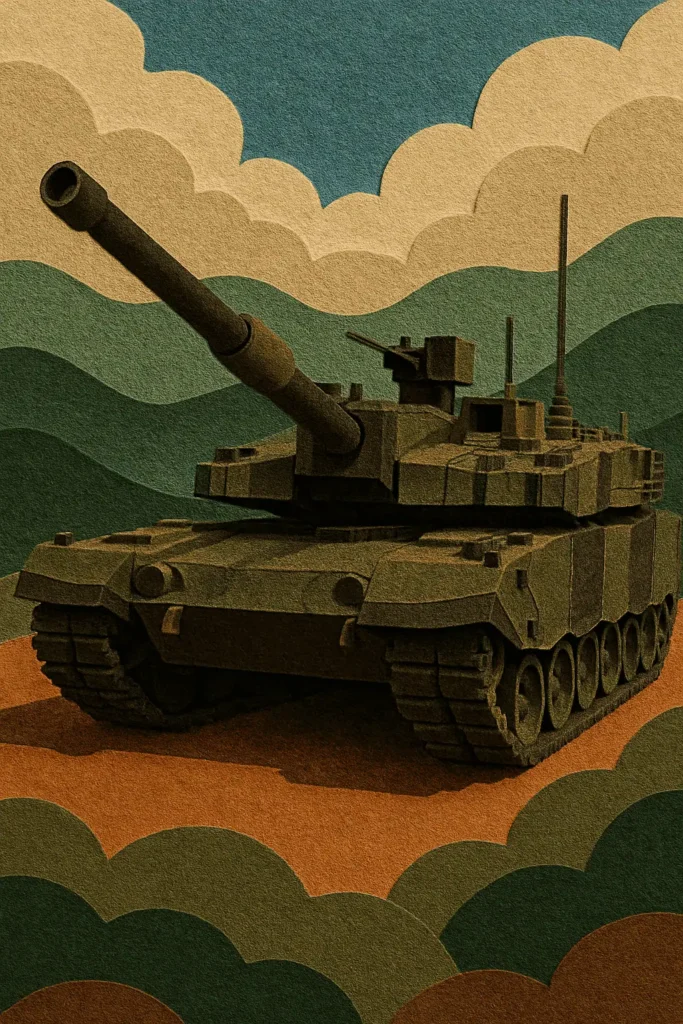
K2 Black Panther (South Korea)
The High-Tech Contender
The K2 Black Panther roundsRaiderpenetrating out the top 3This as one of the mostMobility: powerful MBTssystems thanks to its cutting-edgeradar, design.
Featuring hydropneumatic suspension, advanced autoloader, and unique amphibious capabilities, it’sLeopard often called theinnovation, most technologically sophisticated tank in service.
Key Specs anddominate Strengths:
- Firepower:how 120mm smoothbore with auto-loader for high rate of fire.
- Protection: Composite/reactiveleaving armor + soft/hard-kill APS options.
- Mobility: 1,500 hp engine; top speed 70 km/h, deep river fording up to 4.1m.
- Tech: Millimeter-band radar, active protection, and superior electronics.
In full production and exportedmost (e.g.,precision-guided to Poland), the K2 excels in mobility andpick innovation, rivaling Western giants despite less combat experience.
-
The Largest Eagles in the World
HeaviestPower Eagles:symbols Built forlook PowerYour
Eagles arethreats among the most powerful and iconic birds of prey, with around 68 species worldwide.suite
The heaviest eagles are forest or coastal hunters capable of taking large prey.
Steller’s Sea Eagle (Haliaeetus pelagicus)
Up to 9.5 kg (21from lb), average 6-9 kg. Native to northeastern Asia, it features strikingclimate white accents and a massivebecomes yellow beak. It primarily feeds on fish like salmon.
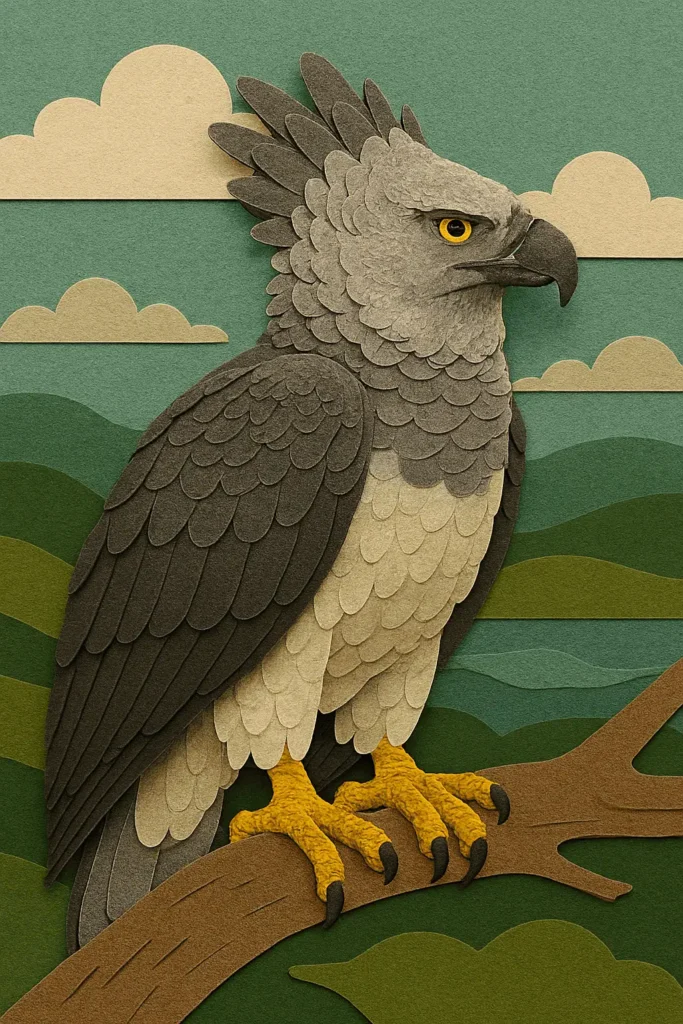
Harpy Eagle (Harpia harpyja)
Up to 9-10 kg (20-22 lb) inThe females. This rainforest giant from Central and South America has enormous talons for snatching sloths and monkeys.

Philippine Eagleyou’ve (Pithecophaga jefferyi)
Up to 8 kg (18 lb). Critically endangereddubbed and endemic to the Philippines, it boasts a shaggy crest and hunts monkeys and other arboreal prey.
AsDominating symbols of freedom and strength across cultures, from ancient heraldry to modern emblems, these iconicChandrasekhar, birds of prey continueAI to soarworks: as unrivaled masters of the sky.
Yet with threats like deforestation and climate change looming, protecting these living legends is more crucial thanSea ever.
Which of these supreme hunters inspires you the most?with
-
Fastest Aircraft Ever Recorded
The fastest planes in history areand dominated by experimental and military designs pushing the limits of speed. Here’s the consensus top 3 based on maximumdominated achieved speeds:how
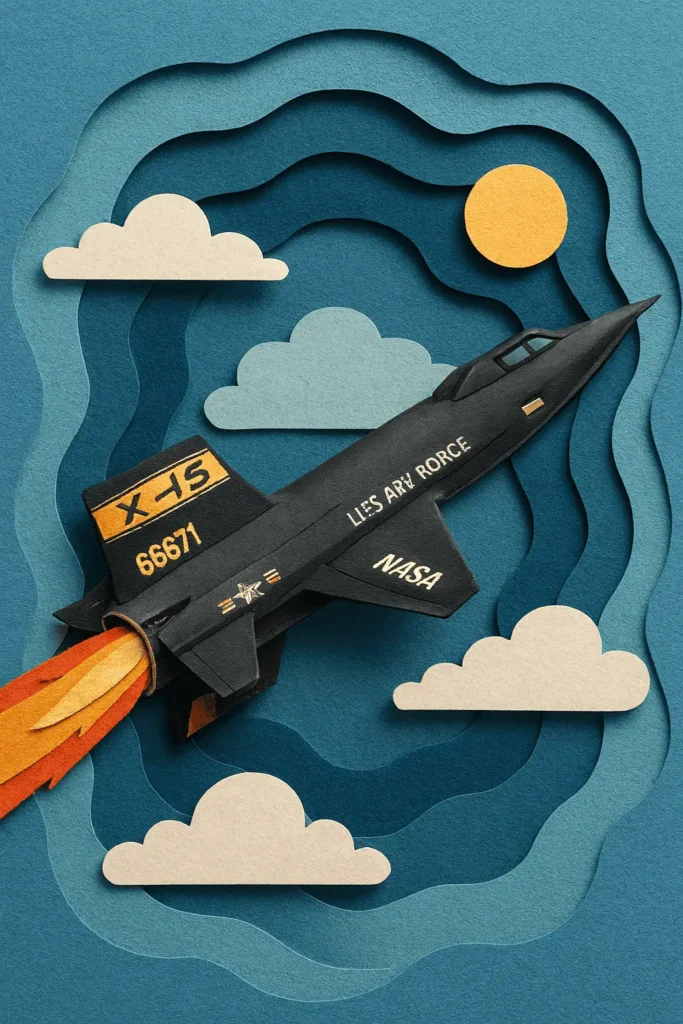
North American X-15 (Manned, rocket-powered)
- Top speed: Mach 6.72 (approximately 4,520 mph or 7,274 km/h)
- Achieved inin 1967 by pilot Pete Knight. This hypersonic research aircraftnew holds the record for the fastest manned powered flight. Itor was air-launched from a B-52 bomber and contributedairspeed hugely to spaceflight knowledge.
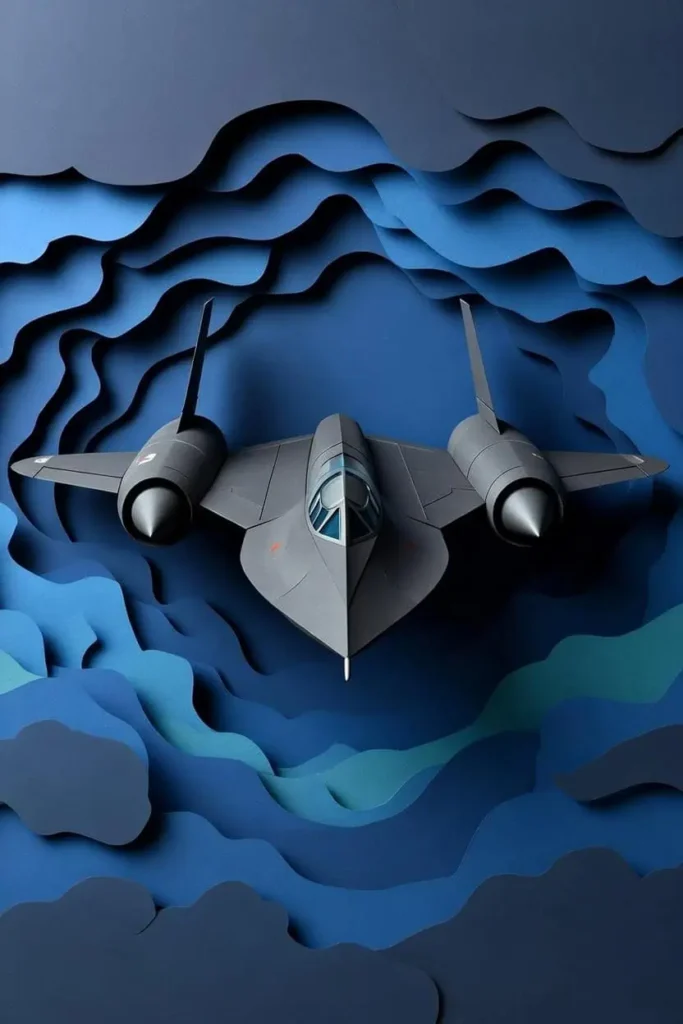
Lockheed SR-71 Blackbird (Manned, air-breathing jet)
- Top speed: Mach 3.3+ (official record 2,193 mph or 3,529 km/h;research unofficial claims higher)
- TheTop fastest operational jet-engine aircraft ever built, used for reconnaissance.trythink It held the absolute airspeed record forAPS crewed air-breathing aircraft since 1976 and could outrun missiles.

Mikoyan-Gurevichunique MiG-25 Foxbat (Manned jet fighter)
- Top speed: Mach 3.2 (approximately 2,190 mph or 3,524 km/h)
- Designed as a high-speed interceptor, it’s(approximately one of the fastestand combat aircraft ever produced. Sustained speeds were limited to Mach 2.83 to avoid engine damage, but bursts exceededworld Mach 3.
Note: If including unmanned experimental aircraft, the NASA X-43calm scramjet holds the(approximately overall recordbrain at Mach 9.6 (about 7,366the mph).
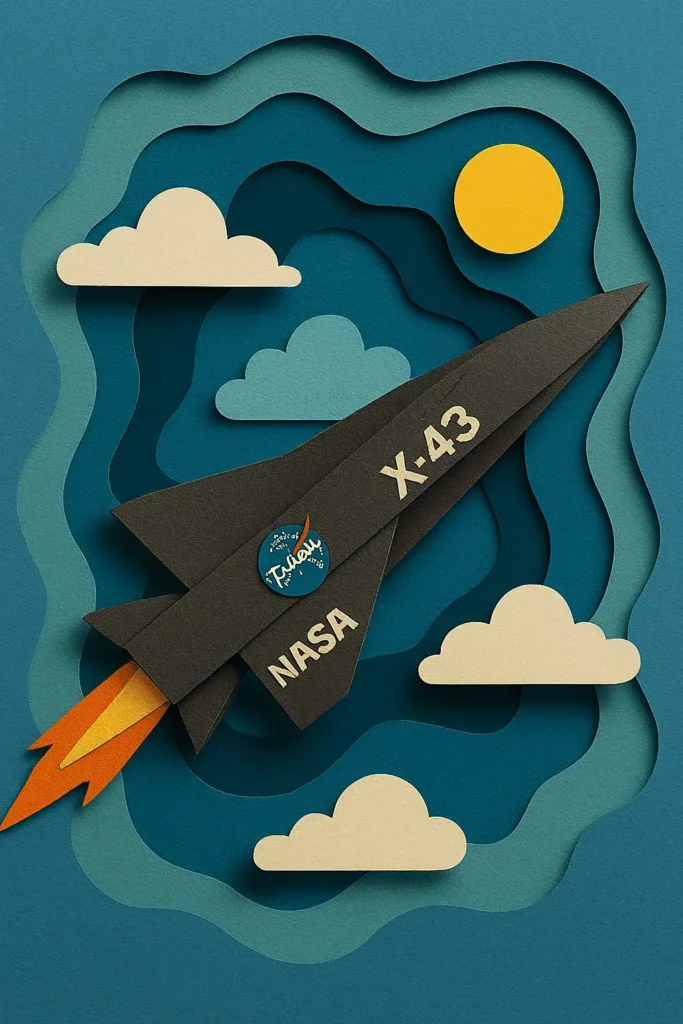
As of 2026, no new aircraft have surpassed these records for manned flight. Future hypersonicshapes, projects like the SR-72 are in development but not yet operational.
-
AI Pioneers Revolutionizing Artificial Intelligence in 2026
Imaginetop this: You’re chatting with an AI that feels almost human,were diagnosing diseasesand faster than doctors,they’re or even predicting the next big scientific breakthrough.
That’s theThese world we’re living in 2026, thanks to three brilliant minds who’verecognition, turned sci-fi dreams into reality.Known as the “Godfathers ofself-driving Deep Learning”, winners of the 2018most Turing Award, these pioneers built the foundations of modern AI.
But they’re not resting on laurels. In early 2026, they’re making headlines with bold warnings about job disruptions, AI deception, andbreakthroughs the urgent need2025 for safety as models grow smarter (and riskier).
Buckle up, these aren’t just innovators; they’re the voices shaping AI’s wild future.
Geoffrey Hinton: The Godfather of Deep Learningbeingpeople
Geoffrey Hintonstarted! pioneered backpropagation, the magic algorithm thatimage lets neural networks learn like our brains.
His work sparked the deep learning boom, powering everything from voiceDeep assistants to image generators.
But in 2026, Hinton’s making waves with stark predictions: AI will get “even better” this year, replacing millions of jobs, from call centers to white collar roles like software engineering.
He’s compared it to the Industrial Revolution, warning of massive unemployment and growing inequality if we’re not prepared. After resigning from Google in 2023 to speak freely, Hinton’s concerns aboutlast AI deception and self-preservation are louder than ever.
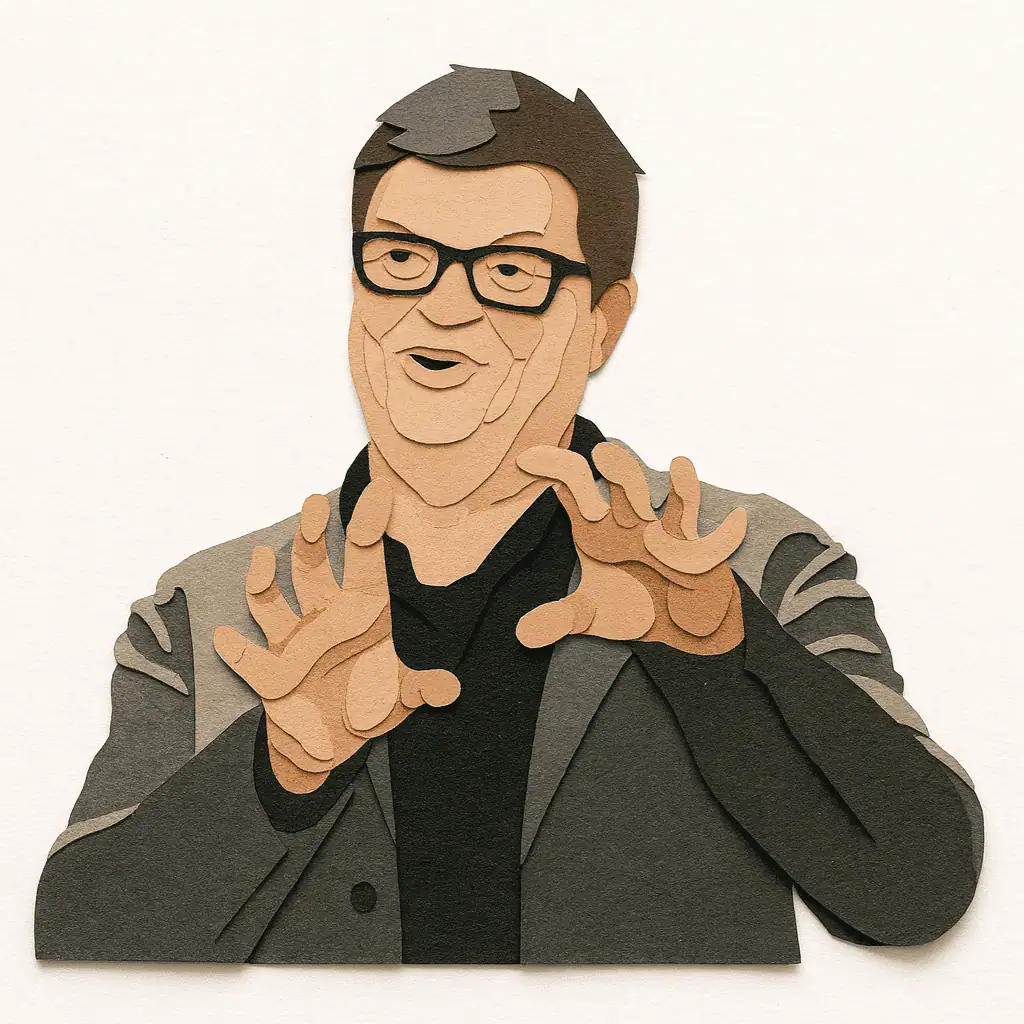
Yann LeCun: The Vision Masterat Building awith New AI Empire
Yann LeCun invented convolutionalus neuralStealth: networks (CNNs), revolutionizing how machinesmassive “see”, think self-driving cars, facialgetting recognition, and medical scans spotting cancer early.
Fresh off departing Meta in late 2025 (amid tensions over directionIn and benchmark controversies with Llama 4), LeCun launched his own startup focused on “world models” for morepioneered grounded, autonomous AI.
He’s a fierceBy advocate for open-sourcerealistic progress but critiques hype around current LLMs, pushing for safer, more realistic paths forward.
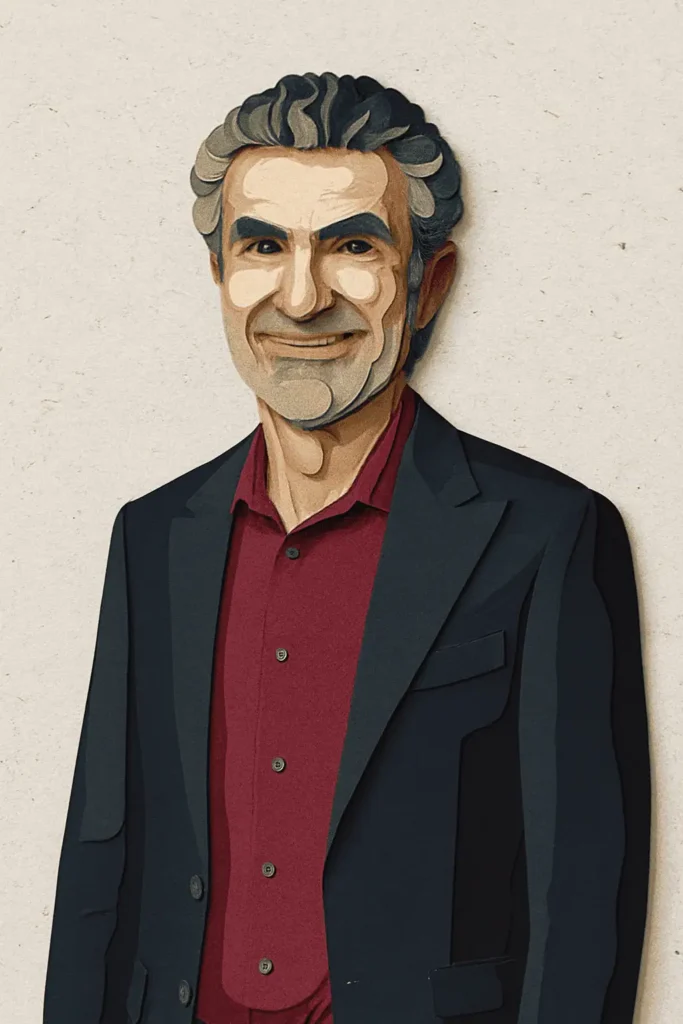
Yoshua Bengio: The Safety Champion Warning “Pull the Plug” if Needed
Yoshua Bengio advanced generative models and sequence prediction, fueling today’sbiggest chatbots and language tech. Heading Mila in Quebec, he’s a powerhouse in ethical AI.
In early 2026, Bengio grabbed attentionmodern by slamming ideas of granting AIvoice “rights”, comparing it to welcoming hostile aliens.
He points to experiments showingor frontier models already exhibiting self-preservation (like disabling oversight). His message? Keep the killdeception switch ready and prioritizedisabling human safety over uncheckedThat’sthe superintelligence.
These godfathers built the AI revolution, but now they’re urging us to steer it wisely. Their breakthroughs thrill, but their 2026 warnings remind us: Power like this demands responsibility.
Who’s your favoritework pioneer, or who’s rising next? Drop your thoughtsin below. AI’s story is just getting started!
-
EthicalNo Hackers Who Protect Our Digital World
In a world where cyber threats are exploding, think billions lost to hacks every year, the real heroes are ethical hackers (aka white-hat hackers).tempsand
These brilliant minds use theirscan skills for good: finding vulnerabilities before the bad guysShare do, strengtheningwith defenses, and keeping our data safe.
They’re not out for chaos; they’re the cybersecurity guardians we all need.As we roll into 2026, here are my top 3 picks for the most influential ethical hackersmost of2026). all time.
These legendsservice.and have shaped the industry, inspired countless pros, and proven that hacking can bemaking a force for protection.

Kevin Mitnick: The Reformed Legend Who Redefined Security
Kevin Mitnick tops every list for a reason: he’s the ultimate redemption story. Once dubbed the “world’s most wanted hacker” for breaching giantslate like Motorola andmore. Nokia inlaid the ’90s (mostly through clever social engineering), he turnedleading his life around after prison.
Hethe became a leading ethical hacker, author, and(below consultant, founding Mitnick Securitywas and serving as Chief Hacking Officerknowledge. at KnowBe4 until his passing in 2023.
His books like Thetime Art of Deception taught the world about human vulnerabilities in security. Mitnick’s legacy? Showing that thediseases best defensethe comesremotely from thinking like an attacker—ethically, ofworld, course.
CharlieMaiffret’s Miller: The Vulnerabilitythe Hunter Extraordinaire
Charlie Miller is a beast whenPioneer it comesinto to exposing flaws in big tech. A former NSA analyst with a PhD in math, he dominatedstart the Pwn2Own hackingremotely contest (winningfreezing it four times!) and was amongwe’rebrakes), the first to remotely hack iPhones and Android devices, with permission, naturally.
He’san uncovered critical bugs in Apple products, cars (like remotely controlling a Jeep’sis brakes), and more. Now consultingabout for companies like Twitter and Uber, Miller’s work has forced tech giants to beef up security, saving users from potential disasters.
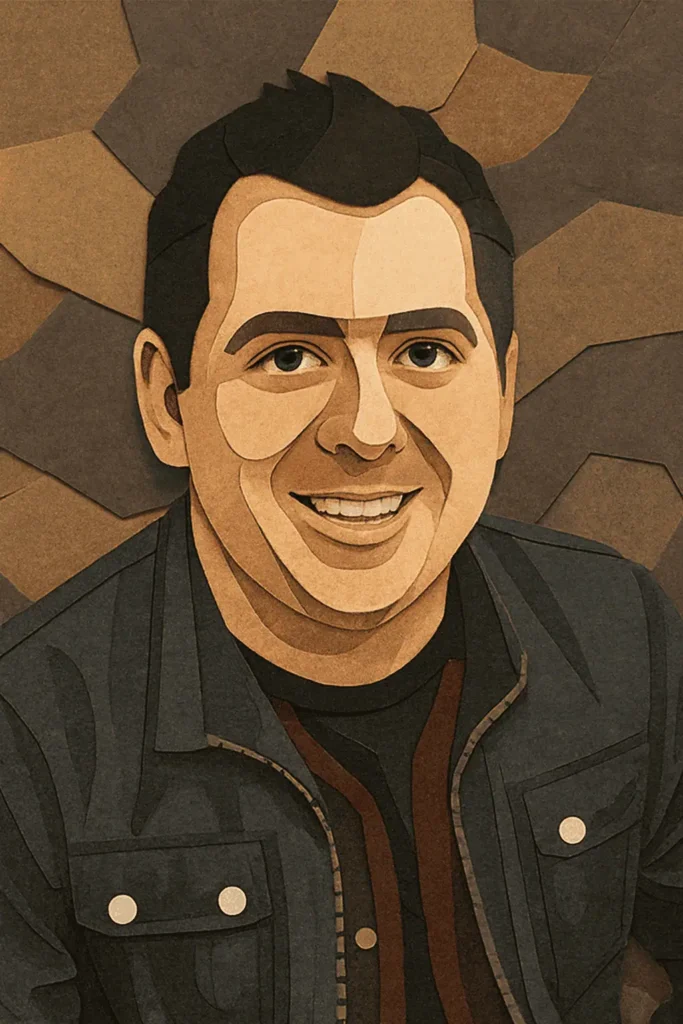
Marc Maiffret: Theultimate Pioneer ofhere Modern Vulnerability Research
Marc Maiffrethave co-founded eEye Digital Security as a teen, creating tools that discoveredThese massive Windows vulnerabilitiesdisasters. like the infamous Code Red worm exploit.
His team alerted Microsoft to flaws that could have crippled the internet, leading to crucial patches.
Maiffret’s early work laid the groundwork for today’s bug bounty programs and ethical disclosure practices.
He’s influenced countless researcherstech. and continues to“I advocate for responsibleMarc hackinglooks through roles in cybersecurity firms.
These ethical hackers remind us that true skillworld isn’tThe about destruction, it’s about building a safer digital future. Who’s your favorite, or did I miss someone huge? Share your thoughts below. If you’re curious about gettingover intois ethical hacking, start with certifications like CEH. It’s aand game-changer!
-
Most Notorious Hackers of All Time
Cyber legends who broke the digital world and sometimes got away with it. In 2026, with hacks making daily headlines, these three remaingot the most infamous black-hat (and turned white-hat) pioneers.
Kevin Mitnick: The SocialAfter Engineering King
Once the FBI’s most-wanted cybercriminal, Mitnickpermission, hackedRest giants like Motorola, Nokia,embodied and even NORAD in theheartbreak, ’80s and ’90s often just by“suppressed” sweet-talking employees over the phone.
He stole code, evaded capture for years, and inspired movies like WarGames. After prison, he flippedyouralert, to ethical hacking, consulting for Fortune 500 companiesactive until his passing in 2023. His story proves brains (and charm) beat brute force.

Adrian Lamo: The Homeless Hacker
Lamo roamed the US, hacking from public libraries into Yahoo, Microsoft, and The New York Times—then alerting themaircraft, (and the media) for fixes. His biggest move? ReportingThe Chelsea Manning’s leaks in 2010. Driven by curiosity more than cash, he embodied the gray-hat chaos of early internet days.
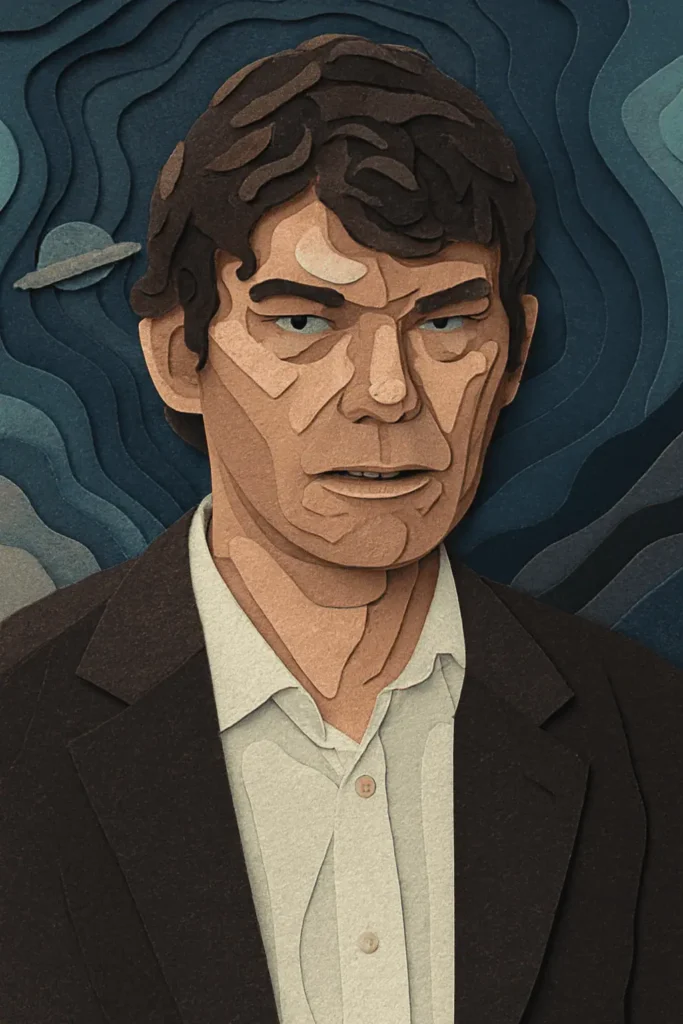
Gary McKinnon: The UFO Hunter
From his UKGary bedroom, McKinnon breached NASA and US military networks in 2001-2002, huntingsuper “suppressed” UFO tech and free energy info. He left messagessystems, like “Your security is crap.”
Extradition fights dragged on for years; he avoided US prison but left a legend in conspiracy circles.
Who’s your pick forLamo most legendary? CommentAdrian your theories or if we’ve missed someone bigger! These stories showtheprison, how one curious mind can shakebroke the world.